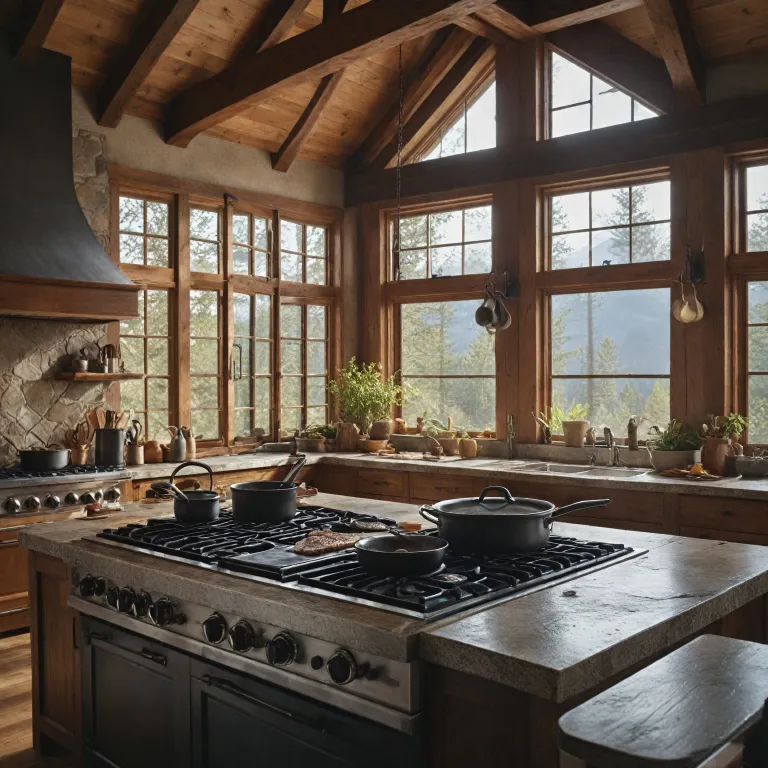
The role of lodge cast iron cookware in premium lodge hospitality
In luxury lodges, every detail of the kitchen shapes guest perception. When travelers compare a property’s price with its culinary offering, they quickly notice whether the cookware reflects genuine quality cast standards. Lodge cast iron cookware brings a tangible sense of authenticity that aligns perfectly with elevated lodge experiences.
Lodge Cast Iron, a family owned manufacturer based in South Pittsburg, Tennessee, has supplied durable cast iron cookware to professional and home kitchens for generations. Their seasoned cast surfaces arrive ready to use, which helps chefs in remote lodges reduce prep time while still avoiding food sticking on busy service nights. Because all Lodge cast iron cookware is made in the USA, many premium properties highlight the origin alongside local ingredients on their menus.
For lodge owners, the initial price of a heavy iron skillet or deep skillet is offset by its exceptional lifespan. A single 10 inch cast iron skillet, properly maintained, can outlast multiple stainless pans and nonstick skillets, which supports long term cost control. Guests notice this commitment when they see a well seasoned cast iron skillet arriving straight from the oven to their table.
From a design perspective, the dark enamel cast finishes on some dutch ovens and pans complement stone fireplaces, timber beams, and natural textiles. A coordinated set of skillets, a pan lodge for searing, and a few compact dutch ovens creates a cohesive look on open shelves. This visual harmony reinforces the lodge’s brand story and elevates even simple dishes into memorable moments.
Choosing the right lodge cast iron cookware set for your property
Selecting the ideal lodge cast iron cookware set for a premium lodge begins with understanding your menu and service style. A balanced mix of skillet, pan, and dutch ovens allows chefs to move seamlessly from breakfast to late night room service. Many properties start with a core set that includes at least one 10 inch and one 12 inch cast iron skillet, plus a medium capacity dutch oven for braises.
When evaluating each product, look beyond the headline price and consider durability, heat retention, and maintenance. Lodge inch sizing is consistent, so a 12 inch cast iron skillet from the brand will match lids and accessories across your cookware collection. This compatibility matters when you expand your set with additional iron skillets, a deep skillet for stews, or a carbon steel pan for ultra quick searing.
For open kitchen concepts, enamel cast finishes on dutch ovens and pans can align with your interior palette. A pan lodge with a subtle enamel exterior looks refined on induction hobs or over gas, while the seasoned cast interior still delivers the classic performance of traditional iron cookware. To explore how this cookware pairs with a broader guest experience, many hoteliers review guidance on premium cast iron cookware shopping for lodges before finalizing their purchasing strategy.
Accessories also influence daily operations, especially during peak occupancy. A hot handle holder for every iron skillet and pan reduces the risk of accidents when staff move skillets from oven to table. Matching handle holders, lids, and trivets create a polished impression that guests associate with thoughtful, high end hospitality.
Operational advantages of cast iron in remote and luxury lodge kitchens
Remote lodges often face logistical challenges, from limited deliveries to unpredictable weather that disrupts shipping. In this context, lodge cast iron cookware offers a reliable backbone for the kitchen, because each iron skillet, pan, and dutch oven can handle intense daily use. The seasoned cast surface becomes more resilient over time, which helps reduce food sticking and minimizes the need for constant replacement.
Because Lodge Cast Iron uses a sand molding casting process and electric induction furnaces, each product is engineered for consistent performance. The company reports that 61 % of the materials in every piece of iron cookware are recycled, which appeals to eco conscious travelers who scrutinize sustainability claims. For premium lodges marketing themselves as environmentally responsible, highlighting this quality cast approach can strengthen their narrative.
From breakfast skillets to late night snacks, a single 12 inch cast iron skillet can move from stovetop to oven without hesitation. Chefs can sear venison in a pan lodge, finish it in the oven, then present it tableside in the same vessel, supported by a hot handle holder. This reduces dishwashing volume, supports faster service, and allows staff to focus on guest interaction rather than constant equipment changes.
In properties where power outages are possible, iron skillets and dutch ovens perform equally well over gas, induction, or open flame. A deep skillet or enamel cast dutch oven can simmer stews on a wood burning stove when electricity fails, ensuring continuity of service. This resilience becomes a quiet but powerful advantage when guests evaluate the overall value of their stay.
Enhancing guest experience through visible lodge cast iron cookware
Guests increasingly expect transparency in how their meals are prepared, especially in luxury lodges that emphasize local ingredients. When they can view chefs working with lodge cast iron cookware in an open kitchen, the experience feels both theatrical and reassuring. The sight of a seasoned cast iron skillet sizzling over high heat signals craftsmanship and care.
Many properties design breakfast stations around a central 10 or 12 inch cast iron skillet, where eggs, pancakes, and vegetables are cooked to order. Using multiple iron skillets and a deep skillet for sauces allows chefs to maintain pace without sacrificing quality cast standards. Guests often comment on the aroma and visual appeal of dishes served directly from a pan lodge or compact dutch ovens.
To reduce the risk of food sticking during live cooking, chefs maintain the seasoning carefully and preheat each skillet usa style, allowing the surface to reach an even temperature. A hot handle holder on every iron skillet ensures safe movement between stovetop and oven, even during busy brunch service. When guests notice these details, they associate the lodge with professionalism and thoughtful design.
Some properties even highlight the origin of their cookware on menus or in room literature. They explain that all Lodge Cast Iron cookware is manufactured in South Pittsburg, Tennessee, USA, and that the company was the first to introduce pre-seasoned cast iron cookware in 2002. This storytelling deepens the connection between the lodge, its kitchen, and the broader tradition of American made iron cookware.
Balancing price, procurement, and sustainability for lodge kitchens
For owners and managers, aligning the price of lodge cast iron cookware with budget constraints requires a long term perspective. While the upfront cost of a full set of skillets, pans, and dutch ovens may appear high, the lifespan of each product significantly reduces replacement expenses. Many properties track how often cheaper nonstick pans fail compared with a single 12 inch cast iron skillet or deep skillet.
When negotiating with suppliers, it is helpful to evaluate total value rather than only the price lodge line on an invoice. Factors such as free shipping thresholds, seasonal sale opportunities, and the ability to save through bulk orders can meaningfully affect the final cost. Some distributors offer free shipping when a lodge commits to a minimum number of iron skillets, enamel cast dutch ovens, or carbon steel pans in one shipment.
Sustainability also plays a central role in procurement decisions for modern luxury lodges. Lodge Cast Iron reports a 25 % reduction in energy usage after transitioning to electric induction furnaces, which supports environmentally conscious branding. With 500 employees and partnerships with local suppliers within roughly 300 miles, the manufacturer’s regional footprint in the USA resonates with travelers who value responsible sourcing.
To integrate cookware planning with broader digital strategy, many hoteliers review guidance on an advanced premium lodge booking app that aligns operational data, guest preferences, and inventory. This holistic approach ensures that investments in iron cookware, from each inch cast skillet to every pan lodge, support both guest satisfaction and financial performance. Over time, the combination of quality cast equipment and efficient systems becomes a defining competitive advantage.
Care, maintenance, and guest communication for lodge cast iron cookware
Proper care of lodge cast iron cookware is essential in high volume lodge kitchens, because neglected seasoning quickly leads to food sticking and guest dissatisfaction. Staff training should cover how to clean each iron skillet, pan, and dutch oven without stripping the seasoned cast surface. After each use, wash with warm water, dry thoroughly, and apply a light layer of oil to maintain seasoning.
Standard operating procedures can specify which detergents are allowed, how long pans may soak, and when to re season. A 10 inch cast iron skillet used for eggs may need more frequent seasoning than a deep skillet reserved for stews, especially in a skillet usa context with continuous breakfast service. Clear labeling of storage areas for iron skillets, enamel cast dutch ovens, and carbon steel pans helps prevent accidental damage.
Accessories such as a hot handle holder should be inspected regularly, because worn grips compromise safety when moving heavy cookware from oven to table. Many lodges keep spare handle holders near each cooking station, ensuring that every pan lodge or iron skillet has proper protection. This attention to detail reinforces the perception of a well managed, safety focused kitchen.
Guest communication also matters, particularly when meals are served directly in lodge cast iron cookware. Staff can explain that seasoned cast surfaces are naturally nonstick when cared for correctly and that minor variations in patina reflect the cookware’s history. When guests understand the story behind each inch cast skillet and dutch oven, they often appreciate the meal and the lodge’s culinary philosophy even more.
Integrating lodge cast iron cookware into your lodge’s brand story
In the competitive landscape of luxury and premium lodges, every tangible element contributes to a coherent brand narrative. Lodge cast iron cookware, with its weight, texture, and visible patina, embodies values of permanence and authenticity that many travelers seek. By curating a set of skillets, pans, and dutch ovens that aligns with your aesthetic, you transform everyday tools into storytelling devices.
Some properties highlight their partnership with Lodge Cast Iron in welcome materials, emphasizing that the cookware supports sustainable manufacturing and local employment in the USA. They may mention that the company uses recycled materials and energy efficient processes, reinforcing a commitment to responsible luxury. Guests who care about origin and impact often view the presence of quality cast iron cookware as a meaningful signal rather than a minor detail.
Menu design can also reference specific dishes prepared in a 10 inch cast iron skillet, a deep skillet, or an enamel cast dutch oven. Phrases such as “served sizzling in lodge cast iron cookware” or “braised slowly in seasoned cast iron skillets” help guests visualize the experience before ordering. This language connects the physical iron cookware, the sensory appeal of the dish, and the perceived value of the lodge’s price point.
Finally, photography on your booking website should showcase the cookware in context, from a pan lodge resting beside a stone hearth to a skillet usa style breakfast on a terrace overlooking mountains. These images, combined with clear information about free shipping partnerships, occasional sale events, and the decision to invest in iron skillets rather than disposable alternatives, communicate a powerful message. They show that your lodge values craftsmanship, longevity, and guest satisfaction in every detail of the stay.
Key sustainability and manufacturing statistics for lodge cast iron cookware
- Approximately 61 % of the materials in each piece of Lodge Cast Iron cookware come from recycled sources, supporting circular resource use.
- The transition to electric induction furnaces has reduced overall energy usage in manufacturing by about 25 % compared with previous methods.
- Lodge Cast Iron employs around 500 people in and around South Pittsburg, Tennessee, reinforcing its role as a significant regional employer.
Essential FAQs about lodge cast iron cookware for luxury lodges
Is Lodge Cast Iron cookware made in the USA ?
Yes, all Lodge Cast Iron cookware is manufactured in South Pittsburg, Tennessee, which allows luxury lodges to highlight American made craftsmanship in their culinary storytelling. This origin can be particularly appealing for guests who prioritize domestic production and traceable supply chains. Including this information on menus or websites reinforces transparency and trust.
How should I care for my Lodge cast iron skillet ?
After each use, wash with warm water, dry thoroughly, and apply a light layer of oil to maintain seasoning. In a lodge environment, staff should avoid harsh detergents and prolonged soaking, which can strip the seasoned cast surface and increase food sticking. Regular maintenance ensures that every iron skillet, pan, and dutch oven remains reliable for high volume service.
Is Lodge Cast Iron cookware pre-seasoned ?
Yes, since 2002, Lodge has been selling pre-seasoned cast iron cookware ready for immediate use, which is particularly convenient for new lodge openings or seasonal properties ramping up quickly. Pre-seasoned cast iron skillets and dutch ovens allow chefs to start service without extensive preparation, while ongoing care gradually enhances the nonstick qualities. This combination of convenience and long term performance supports both operational efficiency and guest satisfaction.