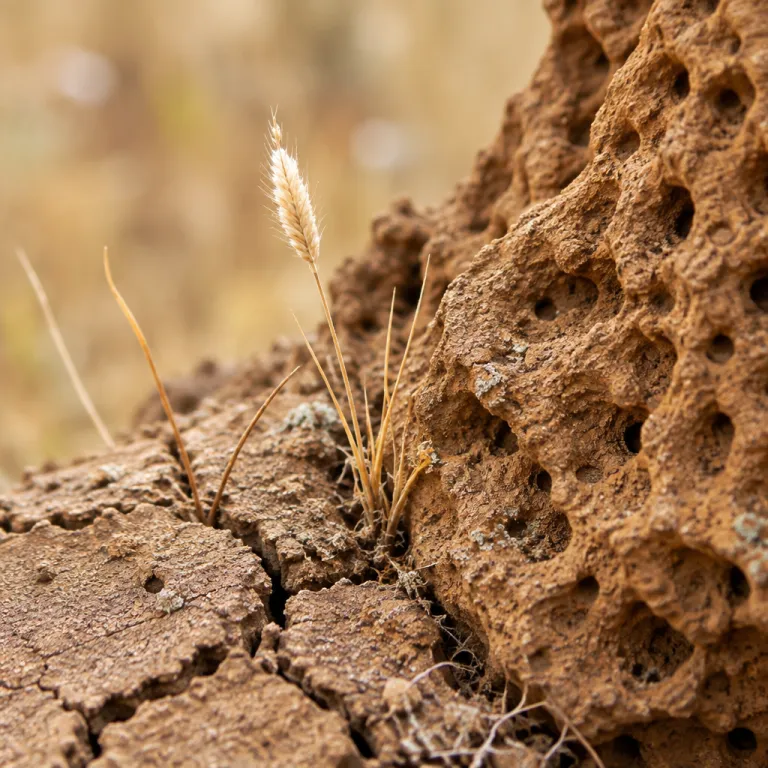
The new luxury frontier: where rewilding meets the safari lodge
Across three continents, a quiet shift is reshaping high end safari travel. Former cattle ranches, exhausted croplands and marginal sheep stations are being reborn through rewilding projects that place habitat restoration at the heart of the safari lodge model. For travelers used to classic national park circuits, this rewilding safari lodge habitat restoration approach offers something rarer ; the chance to watch a wilderness being made, not merely maintained.
At its core, the meaning of rewilding is simple yet radical. Land once dominated by fences, herds and invasive species is handed back to natural processes, allowing native wildlife and plant species to reclaim space over the long term. In this new generation of private game landscapes, lodge revenue becomes the financial foundation that underwrites restoration rewilding work, from removing old infrastructure to replanting indigenous vegetation and rebuilding damaged ecosystems.
For the guest, the experience feels different from a traditional game reserve or national park safari. You still wake to the wild chorus of birds and the low call of distant wildlife, but the narrative is about change rather than stasis. Guides talk openly about rewilding efforts, climate change pressures and environmental trade offs, explaining how each stay helps fund habitat restoration and wildlife conservation rather than simply offering a scenic view.
From cattle ranch to conservation reserve: South Africa’s Eastern Cape
Nowhere illustrates this shift more clearly than the Eastern Cape in South Africa. Here, thousands of hectares of degraded agricultural land have been stitched into private reserves where rewilding projects and careful habitat restoration have brought back iconic wildlife species, from white rhino to cheetah and elephant. These are not untouched national park strongholds ; they are working examples of park rewilding, where every safari lodge stay supports the next phase of ecological repair.
On former sheep and cattle farms, fences have come down and invasive species are steadily removed, allowing natural processes to reshape the landscape. Grasses return first, then shrubs, then the complex web of ecosystems that support predators, scavengers and smaller wildlife, all under the watch of experienced conservation teams and local communities who now work in guiding, tracking and ecological monitoring. For guests, game drives across this restored land offer a layered view, where each sighting carries the backstory of how that particular habitat was reclaimed from overgrazing or erosion.
Economically, the numbers are compelling for landowners considering restoration rewilding instead of marginal agriculture. Well run private game reserves often generate more revenue per hectare through wildlife conservation focused tourism than through low yield livestock, especially when a safari lodge is positioned for small group, high value stays. For travelers who now expect meaningful sustainability initiatives from luxury properties, this model aligns with the broader shift described in analyses of how sustainability became the baseline for luxury lodges, turning each booking into a direct contribution to conservation and community livelihoods.
Rewilding Europe: Highland estates, Iberian canyons and new wild parks
Across Europe, a similar story is unfolding on former hunting estates and abandoned farmland. In the Scottish Highlands, large private estates are embracing rewilding Europe principles, replacing intensive deer management with habitat restoration that encourages native forest, peatland recovery and the slow return of missing wildlife species. Guests staying at a rewilding focused lodge here may trade big five checklists for the subtler thrill of watching an ecosystem knit itself back together, from raptors over the ridgeline to wildflowers reclaiming old tracks.
Further south, Portugal’s Faia Brava reserve shows how rewilding projects can transform rugged agricultural land into a living laboratory for park rewilding. Here, a small group of guests can stay in simple yet refined safari lodge style accommodations overlooking a dramatic canyon, where natural processes are allowed to shape the landscape with minimal interference. The emphasis is on environmental restoration, wildlife conservation and long term monitoring rather than manicured game reserve aesthetics, and the view from your terrace often includes vultures circling above newly wild terrain.
These European initiatives are also redefining the meaning of rewilding for a continent where national park boundaries are tight and local communities live close to every reserve. Lodges partner with rewilding Europe organizations and conservation foundations to ensure that tourism revenue supports both habitat restoration and rural economies, from guiding to regenerative agriculture. Many are also experimenting with carbon positive hospitality and low waste operations, aligning their on site practices with the broader environmental ambitions of the rewilding efforts they promote.
Patagonia and the Americas: landscapes where wilderness is being rebuilt
In Patagonia, former estancias once dedicated to sheep now anchor some of the most ambitious restoration rewilding projects on the continent. Vast tracts of land have been placed under conservation easements or turned into private reserves that function as de facto national park extensions, with carefully sited lodges funding ongoing habitat restoration. Guests arrive for the dramatic view of granite peaks and glacial lakes, but often leave talking about guanaco herds, puma tracks and the slow return of native grassland ecosystems.
Here, the meaning of rewilding is inseparable from climate change resilience. Restored grasslands and wetlands store carbon, buffer extreme weather and create corridors for wildlife species to move as conditions shift, turning each rewilding safari lodge habitat restoration project into a form of environmental insurance. Lodges that operate on a small group model can minimize impact on fragile nature while still generating enough revenue to support wildlife conservation, invasive species control and long term scientific monitoring across the wider landscape.
For travelers used to the polished choreography of a traditional game reserve, these younger ecosystems feel rawer and more dynamic. You might see newly planted native trees protected from grazing, or hear guides explain how a conservation foundation is preparing for future species reintroductions once the ecosystem is ready. Between hikes or horse rides, conversations often turn to how private land stewardship, local communities and international philanthropy intersect to help rebuild wild spaces that were heavily altered within living memory.
What to expect as a guest: timelines, transparency and choosing the right lodge
Staying at a property built around rewilding efforts is not the same as checking into a long established safari lodge inside a mature national park. Landscapes are in flux, wildlife densities may be lower and some species reintroductions are still on the horizon, which means your experience is less about ticking boxes and more about understanding the long term arc of restoration. The reward is intimacy with the process ; you see how each controlled burn, fence removal or waterhole rehabilitation shapes the evolving ecosystem.
Honest operators are clear about where they sit on the restoration rewilding timeline. They explain which wildlife species have already returned, which remain absent and how climate change, invasive species and regional land use affect what you will realistically see during your stay. When researching options, look for lodges that publish conservation reports, partner with credible wildlife conservation organizations and involve local communities in guiding, tracking and cultural interpretation rather than outsourcing expertise.
From a practical perspective, booking early is essential because many of these properties keep guest numbers deliberately low to protect nature and maintain a small group atmosphere. Planning ahead also gives you time to align your travel dates with specific rewilding projects, such as seasonal wildlife monitoring or habitat restoration work that guests can safely observe. For deeper guidance on timing, resources on what to secure before peak season can help you match your expectations to the rhythm of landscapes that are still finding their wild equilibrium.
FAQ
How is a rewilding focused lodge different from a traditional safari lodge ?
A rewilding focused lodge operates on land that is actively undergoing habitat restoration rather than in a fully established wildlife area. You may see fewer animals but more visible change, from new vegetation to experimental water management and species reintroductions. The emphasis is on supporting conservation and long term ecosystem recovery, not just delivering dense wildlife sightings.
Will I still see large wildlife species in rewilding areas ?
Many rewilding landscapes already host iconic wildlife such as elephants, big cats or white rhino, especially in South Africa’s private reserves. However, densities can be lower and sightings less predictable than in long protected national parks or heavily stocked game reserves. Guides will usually explain which species are established, which are planned for future reintroduction and how your stay helps fund that progression.
Does staying at a rewilding lodge really help conservation ?
When a lodge is transparently structured, guest revenue can directly fund habitat restoration, anti poaching, invasive species control and scientific monitoring. On former farmland, tourism often generates more income per hectare than marginal agriculture, making conservation a viable land use choice. The most effective properties publish clear conservation goals, report on progress and involve local communities in both decision making and employment.
Are rewilding destinations suitable for first time safari travelers ?
They can be an excellent choice for travelers who value environmental impact and storytelling as much as dense wildlife viewing. First timers should understand that these are evolving ecosystems, where the drama lies in watching nature return rather than in constant big game encounters. Pairing a rewilding stay with a few nights in a more established reserve can offer a balanced introduction to both models.
How should I evaluate the credibility of a rewilding safari lodge ?
Look for independent conservation partnerships, clear land management plans and evidence of long term commitments rather than short term marketing language. Ask about scientific advisors, monitoring programs and how the lodge measures success in both ecological and community terms. Properties that welcome informed questions and share detailed answers are usually the ones treating rewilding as a serious, multi decade responsibility.