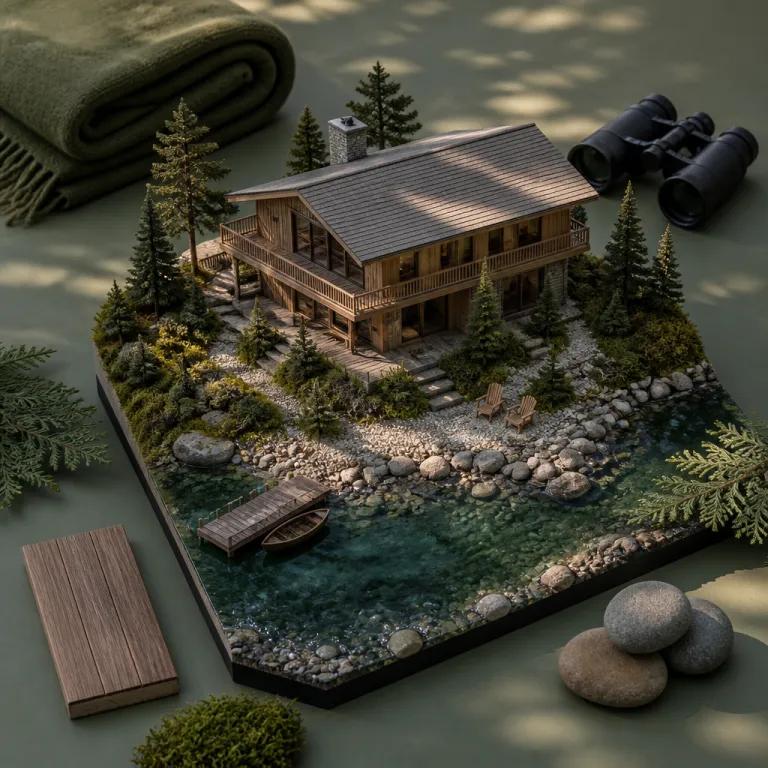
Why a riverfront lodge is the most refined waterside escape
A carefully chosen riverfront lodge gives you water views with a calmer atmosphere than a busy lake or oceanfront strip. For many travelers, this type of lodging combines the intimacy of a country retreat with the service standards of a high end resort. When you plan your stay beside a gentle current, you gain a beautiful setting that frames every moment of your vacation.
Across the United States, Riverfront Lodge operates in multiple cities and regions, always located directly along scenic stretches of water. Typical locations include mid sized river towns, wine country valleys, and forested canyons where the river forms a natural focal point. Each lodge is designed to balance rustic charm with modern amenities such as Wi-Fi, secure parking, and thoughtfully furnished rooms. This approach reflects a wider trend in nature based lodging, where a lakeside or waterfront address is paired with contemporary comfort rather than roughing it.
Travelers comparing a riverfront lodge with a traditional hotel often focus on the sense of place. A standard city hotel may offer convenience, yet a riverfront lodge or lakeside resort adds the sound of flowing water and open sky to your daily routine. When you wake up in a riverfront room, you can check the light on the water before breakfast and plan your time around the river rather than the road. Many guests describe this as a “built in soundtrack” that makes even quiet mornings feel special.
Price is another factor, especially for premium lodging. According to data summarized by Colorado.com from STR, the average room rate for upscale nature oriented properties in Colorado reached roughly 300 USD per night in recent years, which positions a well located riverfront lodge firmly in the luxury segment. That investment makes sense when the resort offers direct access to the river, curated activities, and a level of privacy that many urban hotels or motel rooms simply cannot match. For example, a typical premium riverfront suite might include a private deck, soaking tub, and floor to ceiling windows that frame the water.
Many guests also compare riverfront stays with lake based escapes in regions such as the Adirondack Mountains. An Adirondack style lodge beside a lake can feel wonderfully nostalgic, while a riverfront lodge emphasizes movement and changing scenery as the water flows past. Both options can be great, yet the river setting often feels more intimate for a romantic getaway or a quiet solo retreat. Couples frequently choose riverfront cabins with fireplaces, while solo travelers may prefer compact rooms with a writing desk that overlooks the current.
How luxury riverfront lodges elevate the guest experience
Luxury travelers expect more than a nice view when they book a riverfront lodge. They look for a complete experience that blends attentive service, refined dining, and curated activities on or near the water. The best properties treat the river as the central character of your stay rather than a simple backdrop, shaping everything from the menu to the daily schedule.
Riverfront Lodge properties in the United States illustrate this philosophy by integrating the river into almost every aspect of the lodging concept. Many locations are located miles from dense urban centers, which creates a sense of escape while still remaining reachable for a weekend visit. Guests can often arrange guided paddling excursions, riverside picnics, or private dinners on decks that hover just above the waterline. A typical two night itinerary might include an evening arrival, a sunrise kayak outing, a late breakfast on the terrace, and a chef hosted tasting menu that highlights regional ingredients.
Service details matter at this level. Staff will usually check preferences before arrival, prepare the room with personalized touches, and coordinate timing so that activities align with the most beautiful light on the river. When a resort offers this kind of thoughtful planning, your time on site feels effortless and you can focus entirely on the surroundings. One frequent guest at a Riverfront Lodge property described the experience as “having someone quietly choreograph the day so the river always looks its best.”
One important operational detail is flexibility in booking methods. Riverfront Lodge accepts online reservations through official websites and trusted booking platforms, but you can also reserve by phone or as a walk in guest when availability allows. This multi channel approach suits travelers who plan every day of their vacation as well as those who prefer a spontaneous getaway. It also makes it easier to adjust room types, add extra nights, or request specific river views.
Resilience is another hallmark of serious riverfront lodging. Properties along major U.S. rivers such as the Colorado, Columbia, and Mississippi increasingly invest in elevated walkways, reinforced riverbanks, and emergency plans so they can recover quickly after high water. When you evaluate any riverfront lodge, ask how the resort manages seasonal water levels, weather events, and long term sustainability along the waterfront. Clear answers about flood defenses, trail maintenance, and conservation partnerships indicate a property that takes its river setting seriously.
Guest questions about amenities are common, especially for travelers comparing a riverfront lodge with a resort style hotel or even a well maintained motel. As the operator states, “What amenities are offered at Riverfront Lodge? Amenities vary by location; common features include Wi-Fi, parking, and scenic views.” That clarity helps you decide whether a specific lodge is the right place to stay for your preferred balance of nature and comfort. Before booking, use a simple checklist: confirm Wi-Fi strength, dining hours, river access points, and any extra fees for parking or activities.
Choosing the right riverfront lodge for your travel style
Selecting the ideal riverfront lodge begins with clarifying how you like to travel. Some guests want a quiet room with a balcony above the water, while others prioritize a full service resort with a spa, a conference center, and structured activities. When you understand your own preferences, you can filter the growing number of riverfront lodging options more confidently and avoid decision fatigue.
Start by defining the purpose of your visit. A romantic getaway calls for a smaller lodge with fewer rooms, where the focus rests on privacy, candlelit dinners, and perhaps a lakeside or waterfront hot tub. A multigenerational vacation or corporate retreat, by contrast, may require a larger lakeside resort or riverfront conference center with flexible meeting spaces and a wide range of activities. Families often appreciate connecting rooms or two bedroom suites, while corporate groups may need breakout rooms and reliable hybrid meeting technology.
Next, consider location in practical terms. A riverfront lodge located miles from the nearest town can feel blissfully remote, yet you should check driving times from the closest airport or rail station. If you are planning a short stay, a lodge near a major city might offer a better balance between travel time and relaxation time. Travelers who prefer not to rent a car should also confirm shuttle options, rideshare availability, or seasonal boat transfers.
Budget plays a central role, especially when comparing a premium riverfront lodge with a traditional hotel or even an upgraded motel. Average nightly rates around 300 USD for upscale nature based lodging mean that a three night stay quickly becomes a significant investment. To maximize value, look for packages where the resort offers inclusive meals, guided excursions, or spa credits that enhance the overall experience. Midweek stays, shoulder season dates, and advance purchase offers can also reduce the effective nightly rate.
Travelers who enjoy characterful yet economical properties can also explore elegant economy lodges that sit near rivers or lakes. A detailed guide on how to choose an elegant economy lodge for an exotic escape explains how to balance price, location, and design without sacrificing comfort. When you apply similar criteria to a riverfront lodge search, you can often find a beautiful place to stay that feels indulgent without exceeding your budget. Focus on simple but well designed rooms, strong housekeeping standards, and shared riverfront spaces such as firepits or communal decks.
Finally, evaluate the style of the surrounding landscape. Some riverfront lodges sit near broad, lake like stretches of water, while others hug narrow canyons or forested banks reminiscent of Adirondack rivers. Think about whether you prefer open views, dense woodland, or a mix of lakeside and river scenery before you commit to a specific resort or lodge. Matching the setting to your travel style makes it easier to choose between a secluded cabin, a boutique inn, or a larger resort complex.
Comparing riverfront lodges with lakeside and urban stays
Travelers often weigh a riverfront lodge against a lakeside resort or a central city hotel. Each option has strengths, and the right choice depends on how you want to spend your time away. Understanding these differences helps you book lodging that genuinely matches your expectations and avoids disappointment on arrival.
A lakeside resort usually offers broad horizons and calm water that suits swimming, sailing, and family friendly activities. A riverfront lodge, by contrast, emphasizes movement, with currents that change the soundscape and visual texture throughout the day. If you enjoy watching kayakers drift past or listening to water rush over stones, the river setting will likely feel more engaging. Guests who like photography often prefer rivers because the light, reflections, and wildlife activity shift from hour to hour.
Urban hotels and well designed motel properties excel at access. When your room is located near business districts, cultural venues, and transport hubs, you can move quickly between meetings, museums, and restaurants. For a work focused trip, a city hotel with an attached conference center may still be the most efficient place to stay. Short stays that prioritize nightlife, dining variety, or major events also tend to favor central locations.
However, many business travelers now extend their trips with a short riverfront getaway. They might spend two nights in a downtown hotel, then transfer to a riverfront lodge located miles upstream for a restorative weekend. This combination allows them to attend meetings in a formal setting before unwinding beside the water in a more relaxed resort environment. A simple comparison can help: choose the city for productivity and the river for recovery.
Some guests also compare riverfront lodges with upgraded motel rooms along highways or near airports. While a modern motel can provide a clean, functional room for a single night, it rarely offers the immersive waterfront experience that defines a true riverfront lodge. If your goal is a memorable vacation rather than a simple overnight stop, the lodge or resort will almost always deliver greater emotional value. Even a basic riverfront balcony or shared terrace can transform how you remember the trip.
For travelers with a military or government connection, specialized properties such as the refined Navy Lodge on Staten Island demonstrate how targeted lodging can combine practicality with a sense of place. When you review options like this alongside more traditional riverfront lodges, pay attention to how each property uses its waterfront or lakeside location to shape your overall experience. The best choice is the one that aligns your budget, schedule, and desired level of immersion in the natural setting. A quick decision checklist—purpose, access, price, and river or lake setting—can clarify which option fits best.
Practical booking strategies for premium riverfront stays
Securing the right riverfront lodge at the right time requires strategic planning. Demand for nature based lodging has risen sharply, especially for properties located near major rivers and lakes. If you want a specific room type or a particular view, you should check availability well in advance and be ready to confirm dates quickly.
Start by mapping your preferred destinations and identifying which riverfront lodges operate there. Many Riverfront Lodge properties work closely with local tourism boards and travel agencies, which can provide up to date information on seasonal conditions and special resort offers. When you contact these partners, ask about shoulder season dates when rates may be lower but the weather still feels pleasant. You can also inquire about minimum stay requirements, which sometimes change between peak and off peak periods.
Flexible booking channels make the process easier. You can reserve a stay through official websites, major booking platforms, or direct phone calls to the lodge, depending on your comfort with online tools. Walk in bookings are sometimes possible, yet they carry risk during peak vacation periods when lakeside and riverfront rooms sell out quickly. If you are set on a particular suite or cabin, treat your reservation more like a limited event ticket than a last minute purchase.
Before you finalize any reservation, review cancellation and modification policies carefully. Riverfront environments can be affected by weather, so it is wise to choose lodging that allows reasonable changes without excessive penalties. This is especially important if you are coordinating a group getaway or a corporate retreat that uses the lodge as both a resort and a conference center. Flexible terms also matter if you are booking flights or train tickets that may be harder to adjust.
Travel insurance is worth considering for longer or more expensive trips. When nightly rates approach the 300 USD mark, a cancelled stay at a riverfront lodge or lakeside resort represents a meaningful financial loss. Insurance that covers weather related disruptions or health issues can protect your investment and give you peace of mind. Some premium credit cards include built in trip protection, so it is worth checking existing benefits before purchasing separate coverage.
Finally, think about transport logistics. A riverfront lodge located miles from the nearest airport may require a rental car, a private transfer, or even a short boat ride, especially in regions with Adirondack style terrain. Build these details into your planning so that your arrival feels smooth and you can start enjoying the waterfront setting as soon as you reach your room. Confirm arrival windows, check in times, and any after hours procedures if you expect to arrive late.
Maximizing your time and experience at a riverfront lodge
Once you arrive at a riverfront lodge, the way you structure your days will shape your memories. Many guests feel tempted to schedule every hour, yet the most beautiful moments often come when you leave space for the river to set the pace. A thoughtful balance between planned activities and unstructured time usually works best and keeps the stay from feeling like a checklist.
Begin by exploring the property on foot. Walk along the waterfront paths, check the views from different terraces, and note where the light falls at sunrise and sunset. This simple orientation helps you decide when to book river based excursions and when to reserve quiet hours on your balcony or by the lakeside firepit. If the lodge provides a printed map or digital guide, use it to mark favorite spots for reading, photography, or evening drinks.
Most high end riverfront lodges offer a mix of active and contemplative experiences. You might paddle a kayak in the morning, attend a wine tasting in the afternoon, and finish the day with a slow dinner that overlooks the water. When the resort offers guided nature walks or cultural visits to nearby towns, consider joining at least one to deepen your connection with the region. A sample day could include sunrise yoga, a midmorning hike, a leisurely lunch, and a sunset boat cruise.
Wellness is another pillar of many premium lodges and resorts. Spas often incorporate local ingredients, while yoga decks are located close enough to the river that you can hear the current during practice. If your lodge includes a fitness center or pool, alternate indoor workouts with outdoor activities to keep your energy balanced throughout the stay. Simple routines, such as a daily riverside walk before breakfast, can make the experience feel restorative rather than rushed.
Families and groups should plan shared moments as well as individual downtime. A lakeside or riverfront picnic, a board game evening in a cozy lounge, or a simple walk along the shore can create lasting memories without complex logistics. When the property includes a conference center, you can even blend light workshops or strategy sessions with relaxed waterfront breaks. Agreeing on one “anchor activity” per day keeps everyone connected while still allowing personal time.
Before departure, take a final slow walk along the river and reflect on the experience. Many guests find that time beside moving water helps them reset priorities and return home with a clearer mind. If the lodge met or exceeded your expectations, consider rebooking for a different season to see how the river, the surrounding lake systems, and the overall atmosphere change throughout the year. Keeping brief notes or photos of favorite spots can also guide future stays.
Key statistics and trends for luxury riverfront lodges
- Average nightly rates for upscale nature oriented lodging, including many riverfront lodges in the United States, hover around 300 USD per room according to STR data reported by Colorado.com, placing these properties firmly in the premium segment.
- Tourism boards across several states report increased demand for nature based accommodations, with riverfront and lakeside resort bookings growing faster than traditional urban hotel stays over recent seasons.
- Industry analysts note a rise in eco friendly lodging options, as more riverfront lodge operators invest in energy efficient systems, low impact waterfront access, and partnerships with local conservation groups.
- Domestic travel has grown steadily, and many travelers now choose a riverfront lodge or lakeside resort within driving distance rather than long haul flights, which shortens travel time and extends actual vacation days.
- Guest satisfaction scores for properties that combine a strong sense of place with modern amenities, such as reliable Wi-Fi and curated activities, consistently outperform scores for comparable motel rooms or generic highway lodging.
Frequently asked questions about staying at a riverfront lodge
What amenities are typically available at a riverfront lodge ?
Amenities vary by property, yet most luxury riverfront lodges offer Wi-Fi, secure parking, quality bedding, and on site dining with views of the water. Many also provide river based activities such as kayaking, fishing, or guided boat tours. Some larger resorts include a spa, fitness facilities, and a conference center for meetings or events. Before booking, review room descriptions carefully so you know whether your stay includes a balcony, fireplace, or direct river access.
Are pets allowed at Riverfront Lodge properties ?
Pet policies differ by location, so you should always check the specific lodge rules before booking. Some Riverfront Lodge properties welcome dogs in designated rooms or cabins, often with a small cleaning fee. Others maintain a no pet policy to protect local wildlife or guests with allergies. If you plan to travel with a pet, confirm leash rules, nearby walking areas, and any restrictions on leaving animals unattended in the room.
How can I book a stay at Riverfront Lodge ?
You can reserve a room at Riverfront Lodge online through the official website or trusted booking platforms. Phone reservations are also available for guests who prefer to speak directly with staff about room types, views, and special requests. In some cases, walk in bookings are accepted, although availability may be limited during peak vacation periods. Booking directly with the lodge can sometimes provide access to exclusive packages or more flexible date changes.
What is the best season to visit a riverfront lodge ?
The ideal season depends on your preferred climate and activities. Warm months suit kayaking, swimming, and long evenings on the terrace, while cooler seasons highlight misty mornings, foliage, and cozy fireside lounges. Shoulder seasons often provide a balance of pleasant weather, fewer crowds, and more attractive resort offers. If you are sensitive to heat or cold, check average temperatures and river conditions for your chosen dates.
How far in advance should I book a luxury riverfront lodge ?
For peak periods such as school holidays or popular festival dates, booking three to six months ahead is advisable, especially if you want a specific waterfront room. Shoulder season stays may be available closer to your travel dates, yet premium rooms with the best views still sell out early. Always check cancellation policies so you can adjust plans if your schedule changes. If your dates are flexible, consider asking the lodge which weeks combine good availability with favorable rates.