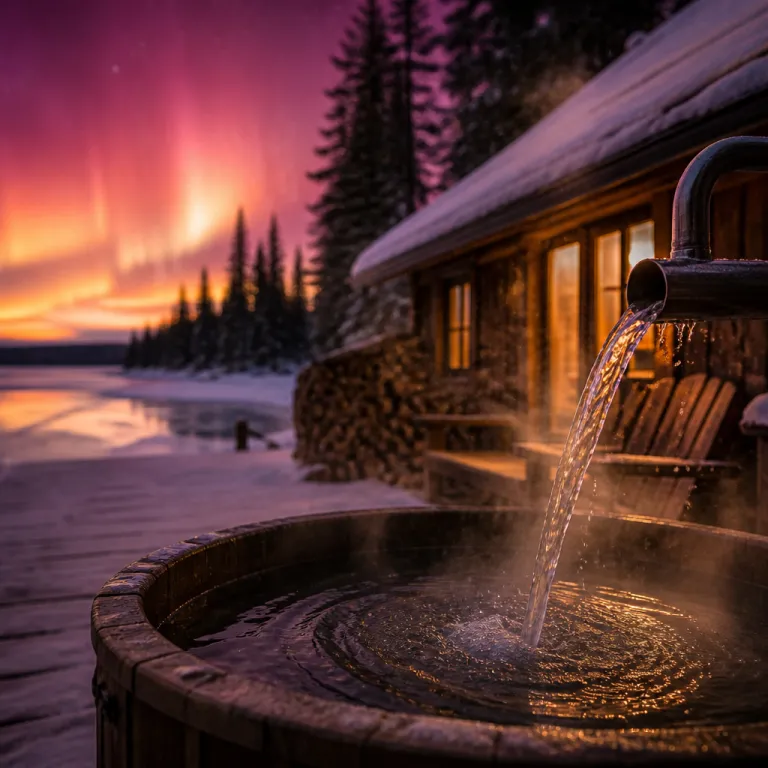
Scandinavia wilderness lodge Northern Lights treehouse: a new kind of polar safari
Swap the savanna for snow and you get a Scandinavian wilderness lodge and Northern Lights treehouse itinerary that feels like a polar inversion of the classic African safari. Here, the drama comes from an Arctic sky pulsing with aurora borealis instead of a blood-orange sunset, while the soundtrack is wind in the forest rather than lions across the plains. The focus remains the same though, because the stay is still about landscape, expert guides and the quiet luxury of returning to a firelit hotel lounge after the cold.
Across northern Sweden, Norway and Finnish Lapland, architects have turned cabins into observatories where you can watch northern skies without stepping into -10 °C air. Many of these unique stays use floor-to-ceiling glass to frame views of frozen rivers, deep wilderness and the elusive Northern Lights that arc above the Arctic Circle for up to around 200 nights per year in prime aurora zones, according to long-term monitoring by Aurora Service Europe and similar observatories. The result is an experience that feels both intensely remote and surprisingly cosseting, especially when a sauna or hot tub waits a few steps from your treehouse or igloo hotel suite.
For couples used to African lodges priced between 400 and 1,800 dollars per night, Scandinavia’s best hotels sit in a similar bracket but deliver a very different kind of immersion. You trade game drives for winter activities such as dog sledding, snowmobiling and snowshoeing through silent forest clearings lit only by the aurora. The payoff is a stay Arctic enough to feel like an expedition, yet curated with the same attention to detail you would expect from a top-tier safari camp.
Treehouse hotel icons in Swedish Lapland: from canopy perches to Arctic Bath
Swedish Lapland is where the Scandinavian wilderness lodge and Northern Lights treehouse idea first became a global design reference. Near Harads, the now legendary Treehotel suspends its treehouse cabins between trunks, each one a different architectural statement that still yields to the surrounding forest. You sleep in a mirrored cube, a UFO or a bird’s nest, yet the real luxury is the view of northern Sweden’s river valley and the aurora borealis that often ripples above it.
These elevated treehouse hotel suites use generous glass surfaces and floor-to-ceiling windows to pull the outside in, while thick insulation and local timber keep the Arctic wilderness firmly at bay. In deep winter, when days are short and the light stays blue for hours, you can watch northern skies shift from indigo to green from the warmth of your bed. Couples who value design as much as they value wilderness will find the experience as compelling as any African campfire, just with snow instead of dust.
Further north, Arctic Bath floats on the Lule River like a sculptural ring of logs, offering cabins on land and over water that echo the same minimal, biophilic language. Here, glass walls frame views of ice floes in winter and the midnight sun in summer, while the central cold plunge and saunas reinterpret wellness for an Arctic stay. If you enjoy choosing refined riverfront retreats, the way you might compare a carefully curated riverfront lodge guide, this duo of hotels in northern Sweden deserves a place at the top of your shortlist.
Finnish Lapland’s glass igloos and Arctic treehouse suites
Finnish Lapland has perfected the art of sleeping under the Northern Lights without freezing, and that makes it central to any Scandinavian wilderness lodge and Northern Lights treehouse journey. Around Rovaniemi and Inari, glass igloos and Arctic treehouse suites tilt entire rooms toward the sky, turning every clear night into a private aurora show. The design language is pure Nordic restraint, but the emotional impact when the first green ribbon appears above the forest is anything but minimal.
At Wilderness Hotel Inari, for example, aurora cabins with glass roofs sit on the lake shore, giving uninterrupted views of the Arctic Circle sky and the surrounding wilderness. These cabins function like a refined glass igloo, with insulated glass panels, underfloor heating and carefully angled beds so you can watch northern stars and, with luck, the aurora borealis without leaving the duvet. The hotel pairs this with winter activities such as reindeer safaris, snowmobiling and cross-country skiing, which turn a simple stay into a layered Arctic wilderness experience.
Closer to Rovaniemi, several properties offer Arctic treehouse-style suites that perch above the forest on stilts, combining the romance of a treehouse with the comfort of a design-forward hotel. Floor-to-ceiling windows face north to maximise views, while saunas and outdoor hot tubs provide a counterpoint to the sharp Finnish air. If you are planning other mountain or island escapes, the way you might browse an elegant guide to Sugar Loaf lodge stays, these Finnish cabins offer a similarly curated sense of place, just translated into snow and spruce.
Norway’s fjord and forest lodges: timber, glaciers and midnight sun
Norway brings a different energy to the Scandinavian wilderness lodge and Northern Lights treehouse circuit, with lodges that lean toward fjords, peaks and the sea. In the Lyngen Alps, Lyngen Lodge is a traditional timber property that feels more like a private chalet than a hotel, yet it delivers the same level of guiding and hospitality as a serious expedition base. Guests split their days between winter activities such as ski touring, whale watching and snowshoeing, then return to a lounge where floor-to-ceiling windows frame the Northern Lights over the fjord.
Further east, Namdalen Wilderness Lodge operates as an off-grid hideaway where the Arctic wilderness presses right up to the cabin doors. Here, the emphasis is on silence, dark skies and the chance to watch northern horizons for aurora without any light pollution, which makes the experience feel almost monastic. When the weather softens, long summer evenings bring the midnight sun, turning the same views into a study in gold rather than green.
Norway’s coastal and forest lodges rarely use the term treehouse hotel, yet many cabins perch on stilts or cling to hillsides in ways that echo that elevated feeling. The design remains rooted in timber, stone and glass, with large windows that pull in views of forest, sea and mountains in every season. If you appreciate the way an urban military lodge can still feel refined and site-specific, as seen in this example of refined military lodging on Staten Island, you will recognise the same respect for context in these Norwegian hotels.
Ice, snow and silence: ICEHOTEL, Logger’s Lodge and Aurora Safari Camp
Some Scandinavian wilderness lodge and Northern Lights treehouse stays push the concept further, using ice and snow as primary building materials rather than just scenery. In Jukkasjärvi, ICEHOTEL is rebuilt every winter from blocks cut from the Torne River, with suites carved by artists and lit by soft, coloured lights that make the ice glow. Guests usually split their stay between one night in an ice room and several in warm cabins, which allows them to enjoy the spectacle without sacrificing comfort.
Logger’s Lodge, hidden deep in the Swedish forest, offers a single cabin for just one couple at a time, turning the Arctic wilderness into a private sanctuary. Huge glass windows give views of snow-laden pines and, on clear nights, the aurora borealis, while the interior leans into tactile materials like wool, wood and stone. The experience feels less like a conventional hotel stay and more like being handed the keys to a remote homestead with a discreet team on call.
Nearby, Aurora Safari Camp combines glamping-style tents with access to frozen rivers and forest trails, creating one of the region’s most atmospheric unique stays. Here, you can watch northern skies from a firelit kota hut, then head out on snowshoes or fat bikes to explore the surrounding wilderness by day. Together with Abisko Mountain Lodge and Brändön Lodge, these properties show how cabins, tents and ice structures can all deliver high-end comfort while keeping the focus firmly on the Arctic sky.
Planning a multi country Arctic itinerary and choosing the right lodge
Designing a multi country Scandinavian wilderness lodge and Northern Lights treehouse itinerary works best when you think in arcs rather than dots. One elegant route starts in northern Sweden for design-forward treehouse hotels and Arctic Bath, then moves east into Finnish Lapland for glass igloos and Arctic treehouse suites, before finishing in Norway for fjord views and glacier walks. This sequence lets you experience different expressions of the Arctic Circle, from dense forest to open coast, without repeating the same style of stay.
When comparing hotels, focus on three pillars: sky, setting and style, because these determine how you will actually experience the Northern Lights and the surrounding wilderness. Properties like Wilderness Hotel Inari and ICEHOTEL maximise sky exposure with glass roofs or open horizons, while places such as Logger’s Lodge and Namdalen Wilderness Lodge trade some views for deeper seclusion. Fjellborg Arctic Lodge and Brändön Lodge sit somewhere in between, offering cabins with strong views and easy access to winter activities like dog sledding and snowmobiling.
Practicalities matter as much as aesthetics, especially in an Arctic environment where average winter temperatures often hover around -10 °C in inland Lapland, according to regional meteorological institutes, though coastal Norway can be milder and interior plateaus colder. Dress warmly, book in advance and check seasonal activities, because winter brings aurora and snow while summer offers the midnight sun and long, luminous nights. As regional tourism boards consistently advise, the best time to see the Northern Lights is between November and March, and that simple guideline should anchor your planning if the aurora borealis is your main goal.
How Scandinavian design reshapes the idea of a wilderness lodge
What ultimately sets these Scandinavian wilderness lodge and Northern Lights treehouse stays apart is the way Scandinavian design treats nature as a partner rather than a backdrop. African lodges often lean into earthy textures and warm palettes, while Nordic architects use pale wood, stone and glass to amplify the clarity of Arctic light. Both approaches are rooted in landscape, yet the Nordic version feels almost gallery-like, with each window framing a curated view of forest, fjord or sky.
Biophilic design principles run through the best cabins and hotels, from reclaimed timber beams to floor-to-ceiling windows that erase the boundary between inside and out. Glass igloos and glass igloo suites in Finnish Lapland, for example, are engineered so that condensation, insulation and sightlines all work together to keep the Northern Lights sharp and the interior warm. In Norway and northern Sweden, architects use similar thinking to orient treehouse cabins and fjord lodges toward the most dramatic views, whether that is a glacier tongue or a stand of old-growth pines.
For couples, the result is an experience that feels both cinematic and deeply private, with unique stays that prioritise silence, space and elemental comfort over ostentatious luxury. You might spend winter days chasing aurora borealis by snowmobile, then return to a quiet lounge where the only sounds are a crackling fire and the soft hum of the sauna heating up. In that moment, the labels fall away and what remains is simple: a well-designed refuge in the Arctic wilderness, perfectly aligned with the sky you came so far to see.
Key figures for Arctic wilderness lodge stays
- Average winter temperatures across much of Lapland sit around -10 °C, according to Scandinavian meteorological institutes and national weather services, though local conditions vary with altitude, proximity to the sea and short-term cold snaps.
- Northern Lights visibility can reach roughly 200 nights per year in prime aurora zones such as northern Sweden and Finnish Lapland, based on multi-year data from Aurora Service Europe and comparable monitoring networks, which significantly increases your chances on a week-long stay.
- Peak aurora season typically runs from November to March, aligning with the darkest months, while summer from June to August brings the midnight sun and almost continuous daylight above the Arctic Circle.
- Price points for high-end Arctic lodges commonly range between 400 and 1,800 US dollars per night, placing them in the same investment bracket as many African safari properties but with a very different climatic and design context.
- Many leading wilderness lodges now integrate eco-friendly practices such as reclaimed wood construction and low-impact heating systems, reflecting a wider rise in demand for sustainable stays in fragile Arctic environments.
FAQ about Scandinavia’s wilderness lodges and Northern Lights stays
What is the best time to see the Northern Lights in Scandinavia ?
The most reliable period to see the Northern Lights in Scandinavia runs from November to March, when nights are longest and skies are darkest. Aurora activity can occur outside these months, but the combination of extended darkness and frequent clear spells makes winter the safest bet. Planning at least three nights in a prime aurora zone such as Finnish Lapland or northern Sweden significantly improves your chances.
Are Arctic wilderness lodges suitable for couples and families ?
Most Arctic wilderness lodges are designed with both couples and families in mind, offering a mix of private cabins and larger suites. Properties like Wilderness Hotel Inari, Brändön Lodge and Fjellborg Arctic Lodge provide flexible room configurations, guided activities and dining that work well for different group sizes. If you are seeking a more intimate atmosphere, single-cabin retreats such as Logger’s Lodge cater specifically to one couple at a time.
Do I need special clothing for winter activities in Lapland ?
Proper winter clothing is essential for comfort and safety during outdoor activities in Lapland and other Arctic regions. Lodges usually provide outer layers such as thermal overalls, boots and mittens for snowmobiling or dog sledding, but you should bring your own base layers, mid layers and wool socks. Dressing in multiple thin layers allows you to adapt quickly when moving between heated cabins and sub-zero wilderness.
How far in advance should I book a Scandinavia wilderness lodge Northern Lights treehouse stay ?
For peak aurora season between November and March, booking six to twelve months in advance is sensible, especially for small properties with limited cabins. Iconic stays such as Treehotel, Arctic Bath and ICEHOTEL often sell out early for key dates like Christmas and New Year. Shoulder season dates in early winter or late spring can offer more flexibility, but planning ahead still secures the best room types and activity slots.
Can I combine several countries in one Arctic lodge itinerary ?
Combining multiple countries in a single Arctic lodge itinerary is not only possible but highly rewarding. A common route links northern Sweden, Finnish Lapland and Norway, using regional flights and transfers to move between treehouse cabins, glass igloos and fjord lodges. Working with specialist tour operators or lodge concierges helps coordinate logistics, ensuring your cross-border journey feels seamless rather than fragmented.