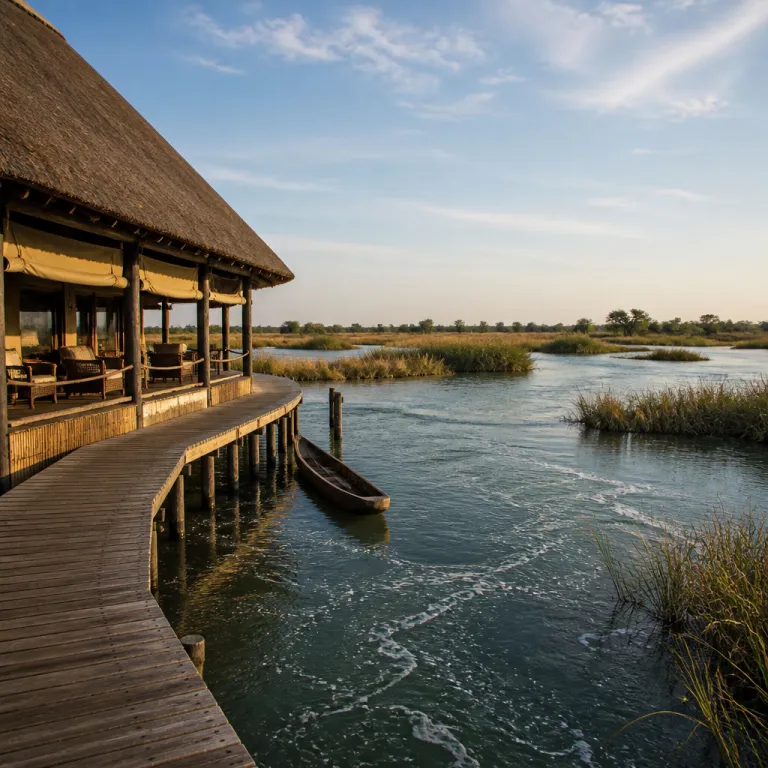
Reading the Okavango Delta: how seasons shape every lodge stay
The Okavango Delta is not one landscape but several, shifting with each season. During the annual flood, deep water pushes across 7 000 km² of channels and islands, turning many Okavango Delta lodges into water focused sanctuaries. When the flood retreats, the same delta becomes a dry mosaic of game rich plains where vehicles can roam widely.
Any serious Okavango Delta lodges Botswana season guide must start with this rhythm, because it dictates what you see and how you move. The best time to visit for a classic delta safari depends on whether you dream of silent mokoro glides or dust scented game drives across sun baked floodplains. With lodge rates in Botswana often running from about 1 200 to 3 000 US dollars per night, understanding the season before you book is not a luxury ; it is essential trip planning.
From Maun, the small aviation hub on the edge of the Okavango, light aircraft fan out to private concessions, national parks and remote private reserves. Each concession or reserve sits on its own mix of land and water, so the same season can feel different at neighbouring camps. This is why a thoughtful Okavango Delta lodges Botswana season guide looks beyond simple months and digs into flood patterns, dry season access and the balance between water based and land based activities at each safari lodge.
Flood season: high water, island lodges and water based safaris
From roughly June to August, flood season defines the Okavango Delta and reshapes every safari lodge experience. Rains that fell months earlier in Angola finally reach Botswana, and the delta swells into a labyrinth of channels, lagoons and palm dotted islands. Many Okavango Delta lodges sit on slightly raised ground, so guests wake to water lapping at the edges of camp and wildlife picking its way between islands.
This is peak season for a water based delta safari, when mokoro dugout canoe trips and boat cruises become the signature activities. Game viewing shifts from vehicle based game drives to slow, silent approaches along reed fringed channels, where elephants wade through deep water and red lechwe bound across flooded meadows. One expert summary captures it clearly : “May to September offers high water levels and clear skies.”
In private concessions such as those around Sandibe and the Vumbura Plains area, flood season also means fewer vehicles and more flexible timing for safaris. Camps in these private reserves can often offer night drives and off road game drives, which are not allowed in the core Moremi Game Reserve. For families booking premium Botswana safari stays, this is when Okavango Delta lodges Botswana season guide advice about specific concessions, flood depth and water activities becomes crucial, because some camps become almost entirely water based while others retain a good mix of land and water access.
Dry season: predators, game drives and land focused camps
As the floodwaters slowly recede from September into the hotter months, the Okavango Delta enters its dry season personality. Channels narrow, floodplains firm up and previously isolated islands reconnect, opening vast areas for extended game drives. For many travellers, this is the best time to visit for intense game viewing, especially if predators are the priority.
In private concessions such as those around Duba Plains, lions and buffalo clash on drying floodplains, while cheetah and wild dog work the more open country. A land focused safari lodge in this dry season can offer long morning and afternoon game drives, with guides using both concession tracks and, where permitted, neighbouring game reserve routes. Some Okavango Delta lodges also add walking safaris once the ground is dry enough, giving a different perspective on wildlife, tracks and the subtle transition between land and water habitats.
Families considering Okavango Delta lodges Botswana season guide recommendations should note that dry season heat builds from late September, so a camp with a pool, shaded decks and flexible game drives helps with younger travellers. In mixed land and water concessions, there is still enough deep water in some channels for limited water activities, but the emphasis tilts firmly toward vehicle based safaris. This is also when you feel the value of a private concession or private reserve, where your guide can follow a hunt off road without the congestion sometimes seen in busier parts of the Moremi Game Reserve.
Green season: quieter camps, dramatic skies and exceptional birdlife
From December to March, the Okavango Delta shifts again into what many lodges call the green season. Afternoon storms roll in, grasses flush and migrant birds arrive in spectacular numbers, transforming the mood of both camps and wildlife. While this is not the classic deep water flood period, it offers its own rewards for travellers who value space, colour and quieter safari lodge decks.
Game viewing in green season can be more challenging because vegetation is thicker, but this is when many antelope calve and predators take advantage of the abundance. For birders, a Botswana safari at this time can be the best of the year, with herons, storks and raptors working the remaining water and land water edges. Rates at many Okavango Delta lodges drop during this season, and some camps close entirely, so any serious Okavango Delta lodges Botswana season guide will advise checking lodge schedules carefully.
Families who are flexible on school holiday timing can find strong value in green season, especially in private concessions where guest numbers are always capped. A camp that combines access to residual deep water channels with open plains can still offer a mix of water activities and game drives, even if the classic delta safari flood is months away. For travellers who enjoy comparing different styles of lodges worldwide, this is also the season when you might pair an Okavango stay with more affordable elegant economy lodges elsewhere, using resources such as this guide to choosing an elegant economy lodge for an exotic escape to balance the overall trip budget.
Water camps vs land camps: choosing the right style of Okavango stay
One of the defining choices in any Okavango Delta lodges Botswana season guide is between water camps and land camps. A pure water camp sits on permanent deep water channels, offering almost entirely water based safaris such as mokoro trips, boating and sometimes catch and release fishing. A land focused camp, by contrast, anchors itself on drier islands or the fringes of the delta, prioritising game drives and walking safaris.
Some of the most sought after properties, such as Sandibe and Vumbura Plains, occupy hybrid positions with both land and water access, which makes them resilient across seasons. In peak season flood months, these camps can run full water activities alongside classic game drives, while in dry season they lean into extended land based safaris. For families, this flexibility often represents the best compromise, especially when different travellers in the group value different aspects of a Botswana safari.
When comparing options, think in terms of how you want to move through the delta rather than only which wildlife you want to see. A water based safari lodge offers the meditative rhythm of poling through channels, with game viewing that is often more about mood, birdlife and the interplay of light on water. A land camp in a private concession or private reserve, whether near Duba Plains or the fringes of the Moremi Game Reserve, delivers more intense predator action, longer game drives and the freedom to follow tracks off road, which can be especially engaging for older children and teens.
Concessions, reserves and national parks: how access shapes your stay
The Okavango Delta is carved into a mosaic of land tenures, and understanding them is central to any credible Okavango Delta lodges Botswana season guide. Broadly, you will choose between private concessions, private reserves and state run areas such as the Moremi Game Reserve. Each model shapes how many vehicles you share sightings with, what activities are allowed and how much you pay for your camp.
Private concessions, leased by operators from local communities or the government, typically offer the most exclusive experience. Guest numbers are tightly controlled, vehicles can leave the road network for sensitive off road game viewing and night drives are usually permitted, which transforms both dry season and flood season safaris. This is where many of the most expensive luxury camps sit, including those around Duba Plains and the Sandibe area, and where the price premium directly funds low density tourism.
By contrast, the Moremi Game Reserve and other public areas can feel busier in peak season, especially around famous sightings. However, they also hold some of the most productive wildlife corridors in Botswana, and a well located safari lodge on the reserve boundary can still access excellent game drives. For travellers who appreciate thoughtful lodge curation, it can be useful to compare how Okavango concessions manage exclusivity with how other destinations handle sensitive ecosystems, such as the way a private lodge in Madikwe responded after major floods, explored in this piece on a ground up reinvention after the floods.
Designing a Botswana itinerary: pairing the Okavango with Chobe and beyond
While the Okavango Delta is often the emotional centre of a Botswana safari, it rarely stands alone in a well rounded itinerary. Many families pair a three or four night stay in an Okavango safari lodge with time in Chobe, the Makgadikgadi Pans or the Central Kalahari, using Maun and Kasane as aviation pivots. The aim is to balance water, land and desert ecosystems so that each camp feels distinct.
Chobe, with its dense elephant herds and river based game viewing, complements the more intricate channels of the Okavango Delta, especially in dry season when animals crowd the water. The Makgadikgadi and Central Kalahari, by contrast, offer vast open horizons, meerkat encounters and, in green season, dramatic zebra migrations across the pans. A thoughtful Okavango Delta lodges Botswana season guide will suggest sequencing the delta either before or after these regions depending on flood timing, peak season pricing and your tolerance for heat.
For travellers who enjoy curating their own list of elegant places to stay, it can be helpful to think of Botswana in the same way you might approach other lodge dense regions. You might, for example, look at how elegant places to stay near a major national park are grouped by access, ambience and family friendliness, then apply the same logic to Botswana’s private concessions and reserves. In practice, that means mixing one intensely water based delta safari camp with one land focused game reserve lodge, then finishing with a quieter private reserve in the desert, giving children and adults a clear sense of how land and water shape wildlife across the country.
Key figures for planning Okavango Delta lodge stays
- The Okavango region receives around 450 mm of average annual rainfall, which is relatively modest ; the dramatic flood is driven more by distant rains in Angola than by local storms (data referenced from regional climate summaries).
- At peak flood, the Okavango Delta can expand to roughly 7 000 km² of inundated area, creating the deep water channels and lagoons that define high season water activities (figure referenced from Okavango focused conservation reports).
- Tourism boards and lodge associations typically describe January to March as green season, April to May and November to December as shoulder months, and June to October as peak season, a pattern that aligns with both flood timing and wildlife concentrations.
- Premium Okavango Delta lodges often price between about 1 200 and 3 000 US dollars per person per night, reflecting the cost of flying guests in from Maun, maintaining remote camps and limiting guest numbers in sensitive concessions.
- Many travellers are now booking peak season dates 12 to 18 months ahead, especially for small camps in high demand private concessions, which makes early planning essential for families needing multiple rooms.
Frequently asked questions about Okavango Delta lodges and seasons
When is the best time to visit the Okavango Delta for a first safari ?
For a first time Botswana safari focused on the Okavango, most travellers choose the period from about May to September. Water levels are usually high enough for classic delta safari activities such as mokoro trips, while game viewing on land remains strong. Cooler temperatures also make midday hours more comfortable for families with children.
Are Okavango Delta lodges open year round ?
Many Okavango Delta lodges operate year round, but some smaller camps close during the quietest green season months. Operators adjust opening dates based on access, flood patterns and demand, so it is important to check each safari lodge’s schedule rather than assuming constant availability. A reliable Okavango Delta lodges Botswana season guide or specialist agent will flag any seasonal closures early in the planning process.
How does a private concession differ from the Moremi Game Reserve ?
A private concession in the Okavango Delta is an area leased to a specific operator, who then limits guest numbers and controls vehicle access. In these concessions, guides can usually drive off road, offer night drives and tailor game drives more flexibly, which is valuable in both flood and dry season. The Moremi Game Reserve, by contrast, has stricter rules on off road driving and night activities, but still offers excellent wildlife and some of the best game viewing in Botswana.
Is a water based camp suitable for families with younger children ?
Water based camps can be magical for families, but they come with specific safety protocols and age limits for mokoro and boat activities. Parents should check minimum ages and whether a camp offers alternative land activities, especially in deep water areas during peak flood. A mixed land and water camp in a private reserve often works best for multi generational groups, giving everyone options regardless of comfort level on the water.
How far in advance should I book an Okavango Delta lodge in peak season ?
For peak season dates in high demand concessions such as those near Duba Plains or Vumbura Plains, booking 12 to 18 months ahead is prudent, especially for families needing two or more tents. Smaller luxury camps with only a handful of rooms fill quickly once international flights open for key travel periods. Early planning also allows you to combine the Okavango with Chobe or the Makgadikgadi Pans in a coherent, seasonally smart itinerary.
Suggested further reading from trusted sources : Botswana Tourism Organisation, Okavango Delta UNESCO World Heritage documentation, and regional climate analyses from the Botswana Department of Meteorological Services.