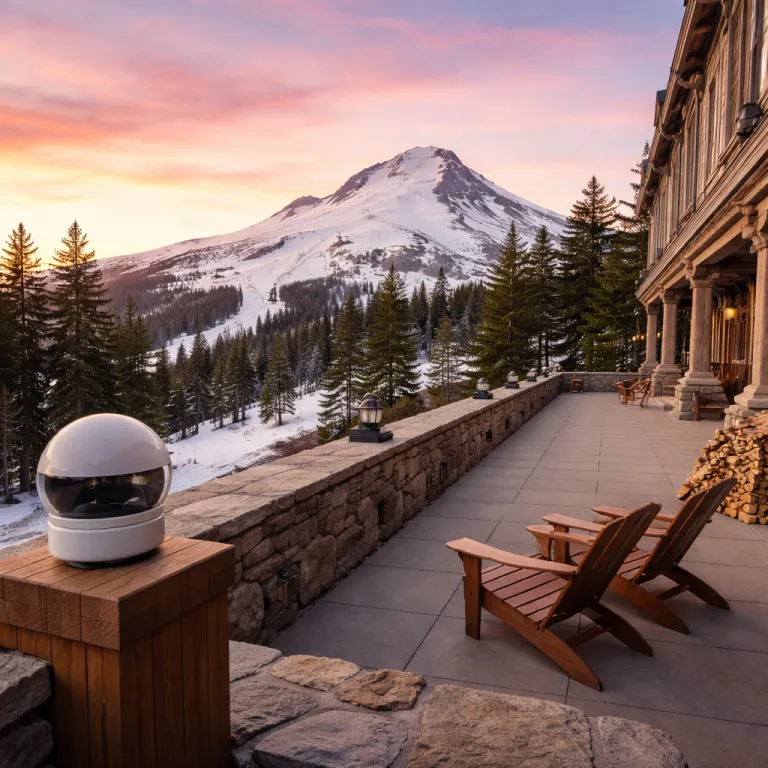
Timberline Lodge webcams as your first step to a refined mountain stay
The live Timberline Lodge webcam is the most discreet concierge you will consult before booking a room on Mount Hood. Through a network of several high definition lodge webcams, Timberline Lodge in Government Camp, Oregon, offers real time views of the ski area, the surrounding mountain landscape, and the changing snow conditions. For travelers seeking a luxury lodge ski experience in the USA, these webcams turn abstract weather reports into tangible images that guide every decision.
Timberline Lodge operates at an elevation of about 1 813 meters (roughly 5 950 feet) on the southern flank of Mount Hood, which means that conditions can shift quickly between sunshine, fog, and fresh lodge snow. The primary Timberline webcam and each individual lodge camera typically refresh every 30 to 60 seconds, so you can watch the snow line rise or fall across the ski resort during a single morning. This level of precision is invaluable when you are choosing between a higher elevation ski stay at Timberline and a lower base lodge further down the mountain near Government Camp.
From a luxury booking perspective, the webcams help you align your preferred style of winter activities with the actual mountain reality rather than a generic forecast. If you are planning a premium suite with a view of Mount Hood, you can use each webcam and camera angle to understand which side of the lodge faces the most dramatic sunrise light. Guests who value quiet over proximity to the ski area lifts can watch the lodge webcams at peak times and gauge how far in walking distance the main flow of skiers remains from their preferred wing of the property.
Reading Timberline Lodge webcam views like a seasoned mountain host
Looking at a Timberline Lodge webcam is easy; interpreting what you see with a hotelier’s eye is where your booking strategy becomes refined. Start with the main lodge webcam that frames Mount Hood and the upper ski area, then compare it with a second camera focused on the lower slopes and parking areas. When the upper camera shows clear skies over the summit while the lower webcams reveal fog or drizzle, you know that elevation differences are creating a classic mountain inversion.
For guests choosing between a room close to the lodge ski access and a quieter wing oriented toward Government Camp, this contrast matters. If the Timberline webcam reveals heavy lodge snow accumulation near the lifts but bare pavement at Government Camp several miles below, you can expect more concentrated winter activities around the resort itself. In that case, a higher floor room facing away from the main ski area may offer a calmer atmosphere while still keeping you within easy walking distance of the Magic Mile chairlift.
When you compare Timberline Lodge to other refined mountain properties, such as the elegant lodging in Eureka Springs highlighted in this guide to refined Ozark escapes, the webcams become a differentiating tool. Those Eureka Springs lodges rely on still photography and seasonal descriptions, while Timberline’s lodge webcams show live conditions that influence everything from spa appointment timing to après ski plans. By watching the webcam and camera feeds across several days, you can identify patterns in wind, cloud cover, and snow that help you select the ideal travel window for your stay.
From magic mile to Jeff Flood : which webcam matters for which guest
Each Timberline Lodge webcam is positioned with a purpose, and understanding those purposes helps you match the right camera to your travel priorities. The feed overlooking the Magic Mile lift, for example, is essential for intermediate skiers who want quick laps and minimal waiting time at this historic ski area. When the Magic Mile cam shows steady movement and modest queues, you know that booking a slopeside room at Timberline Lodge will translate into efficient ski days rather than time spent standing in line.
Another key view focuses on the Jeff Flood Express terrain, which often holds excellent lodge snow later in the season thanks to its elevation and aspect on Mount Hood. If the Jeff Flood webcam reveals consistent coverage and smooth grooming, advanced skiers can confidently reserve a room that prioritizes direct lodge ski access over spa proximity. Families, by contrast, may watch the lower elevation ski bowl and meadow style areas on other webcams to assess beginner friendly slopes and gentle terrain.
Travelers who enjoy comparing different mountain hideaways will appreciate how these Timberline webcam feeds echo the planning value of the Red Lodge webcam views for planning a refined mountain escape. Both resorts use webcams and camera angles to show real time conditions, but Timberline Lodge adds the unique drama of Mount Hood’s volcanic cone rising above the ski resort. By watching multiple cams that track everything from the bowl like terrain near the lifts to the quieter approaches toward Government Camp, you can choose a room that balances action and serenity.
How elevation, distance, and conditions shape your luxury lodge booking
Elevation is the silent architect of every mountain stay, and the Timberline Lodge webcam network makes altitude differences visible in a way that written forecasts never match. At roughly 1 813 meters, Timberline Lodge sits well above Government Camp, which lies several miles down the access road in the USA’s Pacific Northwest. When the webcams show rain in Government Camp but steady lodge snow at the resort, you gain confidence that a premium ski in ski out room will still deliver a true winter atmosphere.
Distance also plays a subtle role in how you interpret each webcam and camera feed. If you see that the main ski area near Timberline is busy while the lower meadow style slopes appear quieter, you can estimate travel time between zones and decide whether you prefer to stay close to the action or retreat slightly for more privacy. Guests who value quick transfers often choose rooms near the primary lodge ski exit, while those who prioritize spa time and fine dining may accept a slightly longer indoor walk in exchange for a calmer corridor.
Conditions captured by the lodge webcams influence not only your travel dates but also your packing list and daily schedule. When the Timberline webcam shows firm morning snow softening by midday, you can plan early ski sessions followed by long lunches and spa treatments during the afternoon slush. If the camera feeds reveal a classic Pacific Northwest storm cycle, you may decide to extend your stay or adjust your arrival by a small margin to avoid the heaviest snowfall on the access road.
Using webcams to align room selection with winter activities and services
Luxury travelers rarely choose a lodge room in isolation; they choose a complete experience that includes winter activities, dining, and wellness. The Timberline Lodge webcam system supports this by showing how different parts of the resort feel at various times of day, from the quiet early morning glow on Mount Hood to the lively après ski scene near the main bowl. When you see the webcams capture a bustling terrace at sunset, you can prioritize a room with a balcony facing that same direction for an immersive atmosphere.
Families planning ski lessons or snow play can use the lodge webcams to evaluate gentle slopes, proximity to ski school meeting points, and the relative crowding of beginner areas. If the Timberline webcam focused on the learning zone shows many small groups and instructors, you know that the ski resort is actively supporting new skiers and that lodge snow coverage is adequate for safe practice. Couples seeking a quieter retreat may instead watch a camera aimed toward the less trafficked edges of the ski area and then request a room on that side of Timberline Lodge.
For travelers who care deeply about service quality, webcams also hint at operational standards. When you consistently see groomers working at dawn, lift lines managed efficiently, and staff moving smoothly around the resort, you gain confidence in Timberline Lodge as an operator. This aligns with broader guidance on what matters beyond thread count when choosing a high end property, as outlined in this expert perspective on how to choose a luxury lodge beyond the thread count.
Practical tips for using Timberline Lodge webcams before and during your stay
To make the most of every Timberline Lodge webcam, start checking the feeds several days before your intended arrival. Watch how the webcams and camera views change from morning to afternoon, noting when the sun hits key slopes and when shadows reach your preferred ski area. This habit helps you choose not only the right travel dates but also the ideal time of day for check in, spa appointments, and dinner reservations.
During your stay, treat the lodge webcams as a dynamic extension of the concierge desk. Before breakfast, glance at the Timberline webcam focused on the upper mountain to assess wind, visibility, and fresh lodge snow, then compare it with a lower elevation view near Government Camp. If the upper mountain terrain looks stormy while the lower bowl appears calmer, you might start your ski day on sheltered runs before venturing higher when conditions improve.
Timberline Lodge itself recommends a simple but effective routine for guests who rely on these feeds: “Check webcams before visiting for current conditions. Dress appropriately for mountain weather. Be aware of changing weather patterns.” To put this into practice, create a brief pre trip checklist: confirm your arrival day by watching several webcam cycles, note typical wind and cloud patterns at your preferred ski hours, and adjust your packing list with layers, goggles, and footwear that match what you see on screen. By following this guidance and combining it with your own observations of distance, elevation differences, and the interplay between upper slopes and meadow terrain, you transform a standard booking into a carefully curated mountain hideaway experience.
Key figures for Timberline Lodge webcams and mountain context
- Timberline Lodge operates multiple live webcams positioned around the ski resort, giving guests several perspectives on snow conditions, lift activity, and the surrounding mountain landscape (Timberline Lodge official data).
- The lodge sits at an elevation of about 1 813 meters on the southern slope of Mount Hood, which is significantly higher than Government Camp and helps preserve lodge snow later into the season (Timberline Lodge official data).
- Webcam images are typically refreshed at short intervals of roughly 30 to 60 seconds, allowing travelers to monitor changing conditions and plan ski sessions or winter activities with near real time accuracy (Timberline Lodge operational information).
- Timberline Lodge’s webcams operate year round, supporting both winter ski planning and summer mountain stays that focus on hiking, alpine views, and high elevation retreats (Timberline Lodge operational information).
Frequently asked questions about Timberline Lodge webcams for luxury stays
How often are the Timberline Lodge webcams updated ?
The Timberline Lodge webcams are updated at regular short intervals, which is frequent enough to capture meaningful changes in weather, visibility, and snow conditions. For guests planning premium ski days or timing spa visits around storms, this rhythm provides a reliable cadence for checking the feeds. You can watch a storm front move across Mount Hood or see clouds lift from the bowl and meadow areas within a single hour.
Can I access the Timberline Lodge webcams on mobile devices ?
Yes, the Timberline Lodge webcams are accessible through the resort’s official website on most modern mobile devices. This means you can check conditions from your room, your car in Government Camp, or even from another city in the USA before you travel. For luxury travelers, this mobile access supports flexible decision making about departure times, route choices, and last minute itinerary changes.
Do the webcams show all ski runs at Timberline Lodge ?
The webcams at Timberline Lodge focus on key areas of the ski resort, including major lifts, popular bowl sections, and representative slopes at different elevations. They do not cover every individual run, but they provide enough visual information to judge overall lodge snow quality, crowd levels, and weather patterns. When combined with trail maps and on site staff advice, the webcam views give a comprehensive picture of the ski area.
Are Timberline Lodge webcams useful outside the winter season ?
Timberline Lodge webcams remain valuable throughout the year, not only during peak ski months. In warmer seasons, the cameras show hiking trail conditions, remaining snow patches at higher elevation zones, and general visibility around Mount Hood. Guests booking summer or autumn mountain hideaways can use these feeds to choose dates with clearer views, milder weather, and ideal light for photography.
How should I use webcam information when choosing a room category ?
Start by identifying which webcam angles match the views you value most, such as direct Mount Hood vistas, quiet meadows, or lively bowl areas near the lifts. Then, speak with the reservations team at Timberline Lodge and reference those specific webcam perspectives when requesting a room location or floor. By aligning your room choice with what you see on the webcams, you increase the likelihood that your stay will match your expectations for scenery, noise levels, and proximity to winter activities.