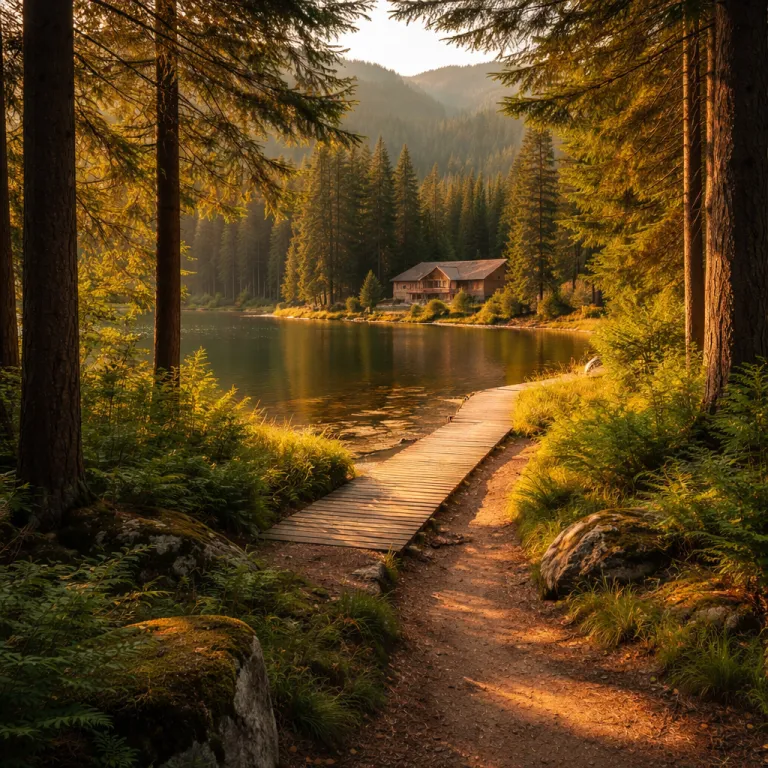
Section 1 – Why the coordinates matter more than the cushions
A serious luxury lodge starts with its coordinates, not its cushions. The most memorable luxury lodge design landscape setting is drawn first from the land, the wind and the animal paths, then only later from fabrics and furniture. When you book a lodge or hotel, you are really booking a view, a climate and an outdoor rhythm long before you meet a concierge.
Architects who specialise in lodge architecture typically walk the site for days before sketching a single line. They study the landscape, the sun arc and the way sound travels across valleys to understand where each lodge space should sit for the best view and the quietest guest experience. On many projects, they will log GPS points, photograph sightlines at different heights and mark prevailing wind directions with simple flags before opening any design software. This is why the best luxury lodge projects feel inevitable in their resort landscape, as if the buildings grew from the rock rather than arrived on a truck.
Global advisory firms now argue that hyper localisation is a defining principle for serious design resort projects. WATG Advisory’s 2023 “Hospitality Horizons” outlook, for example, notes that architecture which “honors historical local building techniques” is no longer a niche idea but a baseline expectation for credible luxury resort development. For you as guests, that means the most interesting resort style properties will feel deeply of their place, from the garden design to the way the swimming pool frames the horizon.
Consider Ubuyu by Banyan Tree in Ruaha National Park, Tanzania, where six villas echo Maasai circular dwellings. Publicly available descriptions of the project highlight the use of timber, thatch, clay and locally carved Mninga wood so that the lodge architecture is visually inseparable from the surrounding landscape design and the wider natural environment. When you sit on the terrace there, the resort feel comes less from a polished pool deck and more from the way the outdoor spaces open directly onto elephant corridors and riverine trees.
For a traveler choosing between a city hotel and a remote luxury lodge, this focus on land first changes the decision making. A conventional hotel design might prioritise room count and corridor efficiency, while a landscape architecture led lodge will sacrifice units to preserve sightlines, breezes and wildlife movement. Designers may, for instance, cap building height to a single storey so that no roofline breaks the horizon, or stagger suites so that each veranda has at least a 120-degree uninterrupted view. The result is fewer rooms, more generous outdoor space and a guest experience that feels like a private resort rather than a crowded complex.
Even the most refined interior style cannot compensate for a compromised site. A lodge squeezed into the wrong piece of land will always feel like a resort built against the landscape instead of with it, no matter how many pools or water features are added later. When you browse a luxury and premium booking website for lodges, treat the GPS coordinates, topography and views as the primary amenities, then consider the spa and the swimming pool as supporting actors.
Section 2 – Reading the land: how design teams choreograph light, wind and water
Behind every apparently effortless luxury lodge design landscape setting sits a small army of specialists. Architects, landscape architects and interior designers work with developers and construction teams to translate raw land into a coherent resort landscape that feels both wild and welcoming. Their shared objective is simple to state and complex to execute: blend architecture with the environment while still delivering the level of luxury that discerning guests now expect.
The process starts with site analysis, often months before any hotel design is finalised. Landscape architecture teams map slopes, drainage lines and existing plants to understand where low maintenance luxury landscaping can thrive without constant irrigation or chemical support. They may tag mature trees for preservation, test soil structure and record seasonal water flows. Architects then position each lodge or resort villa to catch prevailing breezes, avoid flood zones and frame the strongest view, using CAD software and 3D modelling tools such as Revit, Archicad or SketchUp to test how light and shadow move through the outdoor spaces across the seasons.
Water is the most emotionally charged design tool in any tropical resort or mountain retreat. A swimming pool that tracks the edge of a cliff or mirrors a desert sky can define the entire guest experience, especially when paired with subtle lighting and carefully edited water features that do not drown out the night sounds. In the best luxury resort projects, pools are shaped to echo local rivers or rock pools, sometimes using dark interior finishes to reflect the sky and reduce chemical demand, so that the resort style feels rooted in the natural environment rather than imported from a generic beach club.
Planting strategy is equally critical to the overall resort feel. Landscape design teams favour native plants that can handle local rainfall patterns, creating outdoor spaces that feel lush in tropical climates and spare but sculptural in arid regions. In East African savannahs, that might mean using drought tolerant grasses and acacia species; in alpine settings, hardy shrubs and conifers that can survive snow load. This approach keeps maintenance low while giving guests a more authentic experience of the land, whether they are walking from lodge to spa or from outdoor kitchens to a firepit terrace.
On a well run project, the managing director of the development company will insist that architecture, landscape and interiors evolve together. That means the design of each lodge space, from bedroom to pool deck, is tested against the wider resort landscape so that no building blocks a key view or interrupts a wildlife corridor. It also means that hotel design details, such as lighting, materials and outdoor furniture, are chosen to weather gracefully in the specific climate rather than simply look good in a rendering. A timber species that silvers attractively in coastal air or a stone that does not become slippery when wet can matter more than a fashionable finish.
For travelers, the practical takeaway is clear when browsing a curated platform such as the guide to premium lodge booking experiences at The Lodge des Pères. Look for evidence that the resort landscape has been shaped by landscape architects who understand local ecology, not just by decorators chasing a trend. Properties that talk about soil health, native garden design and seasonal water management usually deliver a calmer, more coherent guest experience than those that only highlight thread counts and cocktail lists.
Section 3 – Case studies from the field: when the setting writes the story
Real lodges show how a luxury lodge design landscape setting can either elevate or undermine a stay. In East Africa, some safari properties still line up tents in rigid rows, ignoring the way the land undulates and how animals move, which leaves guests feeling like they are in a temporary resort rather than part of a living ecosystem. The more thoughtful luxury lodge projects break that grid, tucking suites into kopjes or along dry riverbeds so that each space has its own view and its own relationship with the landscape.
Ubuyu in Ruaha National Park is a frequently cited example of architecture shaped by land. Its circular villas, inspired by Maasai dwellings, use timber, thatch and clay to echo the colours and textures of the surrounding landscape design, while carved Mninga wood doors frame views of baobab trees and distant hills. Here, the resort feel comes from the way the outdoor spaces bleed into the bush, not from any overt hotel branding or oversized pool complex.
On another continent, Canyon Lodge near Bryce Canyon National Park in Utah shows how a historic structure can be reinterpreted for contemporary travelers without losing its sense of place. The property, set within a national historic landmark district, uses stone and timber architecture that mirrors the canyon walls, while careful lighting keeps the night sky dark enough for serious stargazing. Public information about this kind of luxury lodging in a national historic landmark often highlights how the hotel speaks about land stewardship, dark-sky policies and trail access alongside its room categories.
In tropical resort settings, the challenge shifts from cold to heat and humidity. Here, landscape architecture and garden design must balance shade, airflow and views, using plants to cool outdoor spaces naturally while keeping sightlines open to the sea or jungle canopy. Designers may calculate sun angles to size roof overhangs correctly or use pergolas with climbing plants to filter light. A well placed swimming pool or plunge pool becomes less a decorative feature and more a climatic tool, offering guests relief from the heat while reflecting the surrounding trees and sky.
Outdoor kitchens and dining decks are another test of design intelligence. When these spaces are oriented to catch evening breezes and sunset views, they become the social heart of the resort landscape, drawing guests out of their rooms and into the shared experience of the land. When they are tucked behind the main lodge with no view and harsh lighting, they feel like afterthoughts, no matter how refined the menu or how luxurious the tableware.
Even in cooler climates, a luxury resort can use outdoor spaces to deepen the guest experience. Firepits, hot tubs and sheltered terraces allow guests to sit outside in comfort, listening to the land settle into night while the architecture recedes into shadow. The most successful luxury lodge projects understand that the real theatre is the sky, the water and the wind, and they design every space, from pool to pathway, to keep that performance front and centre.
Section 4 – How to choose: a traveler’s checklist for landscape led lodges
When you scroll through a luxury and premium booking website for lodges, the marketing language can blur quickly. To cut through the noise, focus on how each property talks about its luxury lodge design landscape setting, not just its interior design or spa menu. A credible lodge will explain how its architecture responds to the land, how its landscape design uses native plants and how its outdoor spaces shape the guest experience from sunrise to nightfall.
Start with maps and images before reading any text. A strong luxury lodge will show wide shots of the resort landscape, revealing how each lodge or villa sits in relation to water, forest or desert, and how the swimming pool or water features connect visually to the wider natural environment. If every image is a close up of cushions and cocktails with no sense of land, assume the resort feel is more about décor than place.
Next, read for evidence of serious landscape architecture and garden design. Look for mentions of native plants, low maintenance strategies and seasonal changes, which signal that landscape architects have shaped the outdoor spaces with long term ecology in mind. Properties that describe how they manage land, water and lighting to protect wildlife and night skies are usually more thoughtful about every other aspect of hotel design as well.
Pay attention to how the lodge uses water and light. A pool that hugs a natural contour or reflects a key view shows that architects have prioritised the relationship between space and landscape, while a rooftop swimming pool dropped onto any flat surface suggests a more generic resort style. Subtle, warm lighting that preserves darkness between buildings usually indicates a respect for the natural environment and a desire to let guests feel the land after dark.
Food and fire are underrated indicators of design intelligence. Lodges that invest in well placed outdoor kitchens, open grills and terraces with strong views understand that the most memorable meals happen where smoke, stars and landscape meet, not under a chandelier. If you are curious about how serious properties think about culinary spaces, the analysis of enameled cast iron in lodge kitchens on high performance lodge kitchens offers a useful lens on how design extends from dining room to firepit.
Finally, consider sustainability as a core luxury metric, not an optional extra. Industry sources such as Statista have valued the global luxury hotel market at well over one hundred billion US dollars in recent years, while the UN World Tourism Organization and allied researchers have reported steady growth in eco tourism, often cited in the mid single to high single digit range annually. Both trends point to more guests seeking properties where comfort and conservation align. When a lodge explains how it uses sustainable architecture, local materials and careful resort landscape management to preserve the land, it signals a deeper commitment to both guest comfort and environmental stewardship.
Key figures shaping landscape led luxury lodges
- Recent Statista market size data suggest that the global luxury hotel segment is worth well over one hundred billion USD, underlining how competitive the luxury resort and hotel space has become for landscape led properties.
- Eco tourism has been reported by the UN World Tourism Organization and academic studies as growing at a solid pace, often in the mid single to high single digit range annually, which reinforces the demand for luxury lodge projects that integrate architecture, landscape design and sustainability.
- Design and construction teams now routinely use CAD software, 3D modelling and environmental assessments to test how pools, outdoor spaces and buildings interact with land and climate before any ground is broken.
- Across leading projects, developers report that investing early in landscape architecture and low maintenance luxury landscaping reduces long term operating costs while improving guest satisfaction scores.
- Industry surveys show that travelers increasingly associate luxury with access to authentic natural environments and well designed outdoor spaces, rather than only with room size or indoor amenities.