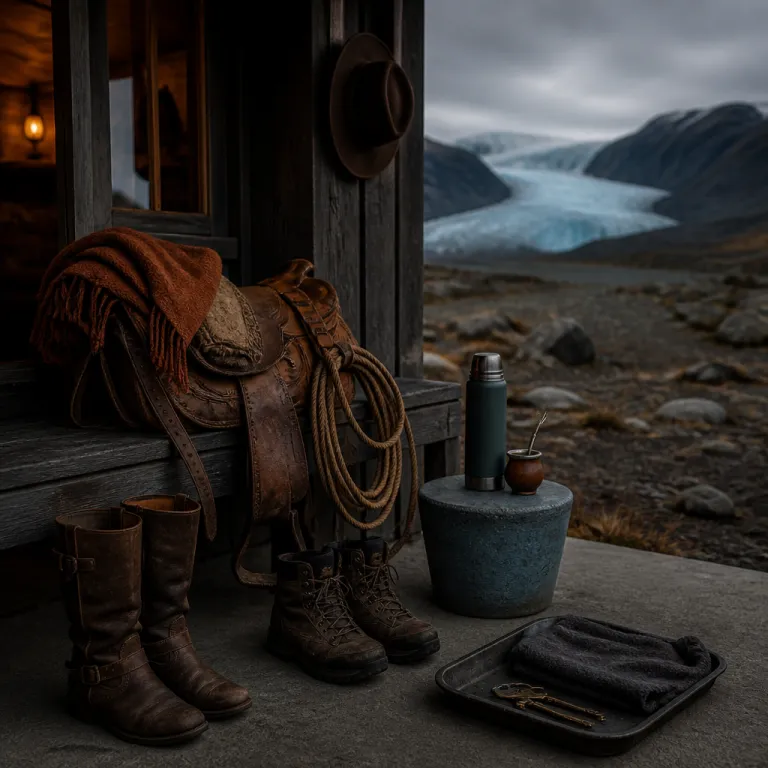
Patagonia estancia lodge gaucho glacier experience redefined
Patagonia’s southern latitudes offer a very different idea of luxury. Instead of marble lobbies, a working estancia lodge frames your view with wind-carved steppe, distant glaciers and the slow choreography of sheep shearing. This kind of gaucho-and-glacier immersion is quietly ranked by serious travelers alongside the best African camps, not for opulence but for its sense of place.
Across Argentina and Chile, roughly fifty traditional estancia ranches now welcome guests in carefully restored houses, according to regional tourism boards and lodge-focused surveys such as Patagonia Scout, which lists host properties across Santa Cruz, Magallanes and Tierra del Fuego. Most keep guest lists deliberately short, with four to eight rooms, which means every day feels like a private house party hosted by gauchos and owners rather than anonymous staff. That intimacy is the real luxury, especially when the nearest hotel is several hours and one gravel road away.
On a typical full day you might ride out at first light with gauchos, cross a river on horseback and reach a lookout over the Perito Moreno Glacier by late afternoon. Another day’s estancia program could focus on livestock work, where guests help move cattle or watch sheep shearing in corrals that have seen a century of Patagonian winters. This is not staged folklore; it is a working rhythm that guests are invited to join for the length of their trip.
Estancia owners and their gaucho équipes manage vast properties that often exceed 100,000 acres, especially around Los Glaciares National Park and Torres del Paine National Park, a scale echoed in land-use studies from regional agricultural institutes and provincial land registries. The size explains why a transfer from El Calafate or Puerto Natales can take most of the day, yet the journey feels like part of the broader ranch-and-glacier adventure rather than a chore. You travel through real sheep country, not just between airport and lodge.
Local partners, from Calafate estancia guides to Torres del Paine outfitters, bring technical expertise in horseback riding, glacier safety and fly fishing. Their role is to help guests explore safely while preserving gaucho culture and fragile ecosystems. As one local reference puts it, “What is an estancia? A large rural estate or ranch in South America.”
From Torres del Paine to Los Glaciares: mapping the estancia circuit
The most coveted addresses in this world stretch along a loose arc from Torres del Paine in Chile to Los Glaciares in Argentina. On the Chilean side, the Paine National Park region is anchored by Puerto Natales, a small port town that serves as the main gateway for lodge transfers. Here, the landscape shifts quickly from fjord to pampa, then rises into the granite towers of Torres del Paine that dominate every clear day.
Within this corridor, you will find estancias that still operate as full-scale ranches while hosting a handful of guests. A day estancia excursion from Puerto Natales might combine a horseback ride across open steppe with a late lunch facing the Paine massif. Multi-day stays at a lodge inside or just outside the park allow you to explore the Torres del Paine trails on foot one day and join a horseback riding expedition the next.
Cross the border into Argentina and the mood changes subtly, with estancias spread between El Calafate, El Chaltén and the windswept shores of Lago Argentino. The Los Glaciares National Park area is home to the famous Moreno Glacier, often called the Perito Moreno Glacier, which calves thunderously into a milky turquoise lake. Many travelers base themselves at a Calafate estancia for several nights, using the lodge as a quiet counterpoint to the busy walkways of the glacier viewpoints.
Names like Nibepo Aike and Estancia Cristina have become shorthand among in-the-know travelers for a certain kind of Patagonia estancia lodge gaucho glacier experience. These properties sit within or near the Glaciares National Park boundaries, offering direct access to trails that skirt the lake and look back toward the ice wall. A full-day ride from such an estancia might end with a view of the Moreno Glacier glowing pink in the last light.
Further north and east, the lesser-known Estancia Península occupies a private headland on Lago Argentino, accessible only by boat from El Calafate. Here, guests split their time between horseback ride circuits, gentle hikes and long lunches that stretch into the afternoon. For travelers who have already ticked off African safaris, this quieter wildlife and landscape immersion echoes the kind of experiences highlighted in guides to quieter wildlife encounters that define a great lodge.
At the far end of the map lies Tierra del Fuego, where a handful of estancias operate on islands and peninsulas that feel almost sub-Antarctic. Here, the wind is sharper, the guest lists even shorter and the sense of isolation absolute. It is a natural extension of the same estancia and lodge ethos that runs through Patagonia Torres del Paine and Los Glaciares, just pushed to its elemental extreme.
Gauchos, horses and the working ranch ethos
What sets an estancia apart from a conventional luxury lodge is the working ranch heartbeat. Gauchos are not performers in costume; they are traditional Patagonian cowboys whose primary job is to manage livestock across vast, weather-exposed paddocks. Guests are invited into that world carefully, with respect for both safety and tradition.
On a typical day estancia program at Nibepo Aike or Estancia Península, you might start with a slow horseback ride to check fences or move a small herd. Later, you watch sheep shearing in a tin-roofed shed, the air thick with lanolin and the sound of shears, while gauchos explain how wool once defined the economic fortunes of Patagonia. These activities are not add-ons; they are the core of the Patagonia estancia lodge gaucho glacier experience.
Horseback riding here is different from a gentle resort trail ride. Saddles are traditional, layered with sheepskins, and the horses are working animals accustomed to long days in rough terrain. A full-day ride might cover 25 kilometres, crossing rivers and climbing to viewpoints over Torres del Paine or the distant ice fields of Los Glaciares, so a reasonable level of fitness and riding confidence is essential.
For less experienced riders, estancias usually offer shorter circuits or a half-day horseback ride that stays close to the main lodge. Guides adjust the pace, often pairing novices with particularly calm horses and keeping the route on gentler ground. Safety briefings are thorough, and helmets are increasingly standard, reflecting a modern approach layered onto traditional gaucho skills.
Beyond horses, many estancias integrate hiking and fishing into their activity roster, using local guides and simple but reliable equipment. Methods range from relaxed riverside walks to more technical glacier approaches, always calibrated to the weather and the group. Some properties also coordinate with specialist outfitters, similar in spirit to the way African properties such as those featured in the reinvention of classic safari lodges partner with expert trackers.
The working ranch ethos extends into how guests are hosted. Owners often join communal dinners, share stories of harsh winters and explain why infrastructure constraints keep guest numbers low. As one long-time host near El Calafate likes to tell guests, “We can’t change the wind or the distance, so we focus on what we can control: warm beds, honest food and good company.” This is not a place for endless room categories and sprawling spas; it is a place where the fire in the main room is the social centre of gravity.
Glaciers, wind and the sensory contrast with safari luxury
For travelers used to African savannahs, the first shock in Patagonia is the weather. Wind is the constant soundtrack, shaping both the landscape and the daily rhythm of estancia life, while temperatures can swing sharply within a single day. That volatility is part of the Patagonia estancia lodge gaucho glacier experience, and it demands thoughtful packing in layers rather than resort wear.
Glaciers are the other defining presence, especially around Los Glaciares National Park and the Chilean ice fields. The Moreno Glacier, often referred to as the Perito Moreno Glacier, is the most accessible, with walkways and boat trips that bring you close to its creaking blue face. Many estancias near El Calafate offer full-day excursions that combine a scenic transfer with guided walks on the official viewing circuits.
Some lodges go further, arranging technical glacier hikes with certified mountain guides, where guests strap on crampons and step onto the ice itself. These experiences are carefully regulated to protect both visitors and the fragile surface, and they usually require a reasonable fitness level. The reward is a perspective that no hotel balcony can match, with deep crevasses glowing electric blue beneath your feet.
In Torres del Paine and the wider Paine National Park area, glaciers hang from the flanks of the massif and feed milky rivers that cut through the steppe. A full-day ride or hike might take you to a viewpoint over Grey Glacier, with the Torres del Paine peaks standing like sentinels behind. Here, the contrast with African safari luxury is stark; instead of heat and dust, you get cold air, vast silence and the occasional crack of ice.
Even on calmer days, the elements shape how you travel and explore. Transfers can be delayed by sudden snow or high winds, and estancias build flexibility into their activity planning, often deciding the final program at breakfast. Guests who embrace this unpredictability tend to leave with the richest stories, because every clear window of weather feels like a small gift.
For those balancing a broader trip that might include coastal or warmer destinations, it can be helpful to pair Patagonia with a very different lodge environment. Guides to seaside elegance at nautic lodges show how a coastal stay can complement the raw, glaciares national landscapes of the south. The contrast between ocean calm and Patagonian wind underlines just how singular these southern estancias are.
Inside the lodge: pricing, food culture and what luxury means here
Luxury in a Patagonia estancia lodge is measured less in thread count and more in context. A typical rate ranges from US$600 to US$1,500 per night, usually on an all-inclusive basis that covers meals, most activities and shared transfers, figures that align with pricing published by leading operators such as Explora and Awasi for comparable remote lodges. Compared with African safari properties at a similar level, that pricing often feels like strong value, especially given the remoteness and the depth of the gaucho and glacier experience.
Rooms are usually simple but thoughtfully detailed, with heavy wool blankets, solid wood furniture and large windows framing the steppe or lake. You will not find endless room categories or overdesigned spas; instead, the focus is on communal spaces where guests and hosts gather after a long day outside. Fireplaces burn almost constantly from October to April, turning the main living room into the social heart of the lodge.
Food culture is where many estancias quietly excel. Open-fire asado is the centrepiece, with whole lambs slow roasted over embers, often paired with Malbec from Mendoza or cool-climate Pinot Noir from southern Chile. Lunches might feature hearty stews, fresh bread and simple desserts, while breakfasts lean toward strong coffee, homemade jams and eggs from the ranch.
Because these are working ranches, much of what you eat comes directly from the property or nearby producers. Lamb and beef are obvious highlights, but many kitchens also showcase local vegetables, river fish and regional cheeses. Dietary requirements are usually handled with care, though it is wise to flag them well before your trip so the lodge équipe can plan supplies.
Seasonality shapes both menus and availability. The main travel window runs from October to April, with peak demand in December, January and February when days are longest and temperatures milder. Shoulder months can offer lower rates and fewer guests, but also a higher chance of weather disruptions that might affect transfers or certain activities.
Booking through a specialist platform focused on luxury and premium lodges helps navigate these nuances. Advisors who know the difference between a Calafate estancia stay, a Torres del Paine lodge and an estancia near Buenos Aires can tailor an itinerary that balances travel time, budget and the specific Patagonia estancia lodge gaucho glacier experience you are seeking. In a region where infrastructure is limited and guest lists are short, that expertise is worth as much as any room upgrade.
Planning your estancia trip: routes, transfers and practical tips
Designing a Patagonia estancia itinerary starts with choosing your anchor points. Most international travelers arrive via Buenos Aires, then connect to El Calafate for Los Glaciares or to Punta Arenas for Torres del Paine and Puerto Natales. From these hubs, estancias arrange private or shared transfer services that can take anywhere from one to five hours depending on distance and road conditions.
A classic route might begin with two nights in a city hotel in Buenos Aires, followed by three or four nights at a Calafate estancia such as Nibepo Aike. From there, you could cross into Chile for a four-night stay at a lodge near Torres del Paine, then finish with a final night near an airport before your long-haul flight. This pattern balances the desire to explore widely with the reality that every move in Patagonia consumes a significant part of the day.
To make this more concrete, consider a sample transfer: a shared vehicle from El Calafate airport to Nibepo Aike typically takes around 1.5 hours, while a private transfer from Puerto Natales to a lodge near the Torres del Paine park entrance can run close to three hours, depending on weather and road conditions. Factoring these times into your itinerary helps avoid rushed arrivals and allows you to treat the journey as part of the experience.
Another approach focuses on depth rather than breadth. You might choose a single estancia in Los Glaciares National Park and stay a full week, alternating between horseback riding, glacier excursions and quiet days reading by the fire. For solo travelers, this slower rhythm often leads to deeper connections with gauchos, guides and fellow guests, turning the lodge into a temporary home rather than just a stop on a longer trip.
When planning, pay close attention to seasonality and your own tolerance for cold and wind. October and November bring spring flowers and fewer crowds, while December to February offers the warmest conditions and the most stable access to remote trails. March and April can be spectacular for photography, with autumn colours and lower sun angles, but some estancias begin to scale back operations as winter approaches.
Packing strategy is critical. Think in layers, with a base layer, insulating mid-layer and windproof outer shell, plus gloves, a warm hat and sturdy boots suitable for both horseback ride activities and uneven trails. Even on a calm day, a boat trip near the Perito Moreno Glacier or a viewpoint above Torres del Paine can feel significantly colder than the lodge terrace.
Finally, book key activities in advance, especially any technical glacier hikes or specialist fishing days, while leaving some flexibility for weather-dependent decisions. Estancia owners and their équipes know the patterns of their microclimates and will adjust the program to keep you safe and comfortable. Respect local customs, from mealtime etiquette to how you interact with working dogs and horses, and the Patagonia estancia lodge gaucho glacier experience will feel less like a packaged product and more like a brief, privileged entry into another way of life.
Key figures behind Patagonia’s estancia lodge world
- There are around 50 estancias in Patagonia that host guests, according to regional surveys such as Patagonia Scout and provincial tourism offices, which highlights how selective and limited this style of lodging remains.
- The average estancia size in Patagonia is close to 100,000 acres, a scale cited in local land registry summaries and agricultural reports, and one that explains why horseback riding and long transfers are integral parts of any stay rather than optional extras.
- The main travel season for Patagonia estancias runs from November to March, when longer days and milder temperatures make full-day excursions to glaciers and viewpoints more comfortable.
- Typical nightly rates of US$600 to US$1,500 for all-inclusive estancia stays are significantly lower than many African safari lodges at a comparable level, offering strong value for travelers seeking immersive wilderness luxury.
- Horseback riding, hiking and fishing remain the three core activities across most estancias, reflecting a balance between traditional gaucho skills and modern adventure tourism expectations.
Frequently asked questions about Patagonia estancia lodges
What is an estancia and how is it different from a regular lodge ?
An estancia is a large rural estate or ranch in South America that traditionally focuses on livestock, especially sheep and cattle. When converted into guest lodges, these properties retain their working ranch operations while adding a small number of rooms and hospitality services. The result is a stay where you join daily ranch life rather than simply observing it from a distance.
When is the best time to plan a Patagonia estancia trip ?
The most comfortable period for a Patagonia estancia lodge gaucho glacier experience is from November to March, which corresponds to the Southern Hemisphere summer. During these months, days are longer, temperatures are milder and access to remote trails and glacier viewpoints is generally more reliable. Shoulder months can be rewarding but may involve more weather-related disruptions.
What activities can I expect during a typical estancia stay ?
Most estancias offer a mix of horseback riding, hiking and fishing, often guided by gauchos or local specialists. Cultural immersion is central, with opportunities to watch or participate in sheep shearing, cattle movements and traditional asado meals around the fire. In regions near Los Glaciares and Torres del Paine, glacier excursions and national park visits are also common full-day outings.
How many days should I stay at a Patagonia estancia lodge ?
A minimum of three nights is recommended to justify the travel time and to settle into the slower ranch rhythm. Many experienced travelers opt for four to six nights at a single estancia, which allows for a mix of active days, cultural experiences and rest. If you plan to combine multiple regions, such as Los Glaciares and Torres del Paine, consider at least ten to twelve days in Patagonia overall.
Do I need riding experience to enjoy an estancia stay ?
Previous riding experience is helpful but not essential for enjoying a Patagonia estancia lodge gaucho glacier experience. Most properties offer horses and routes suitable for beginners, along with helmets and clear safety briefings. Guests who prefer not to ride can focus on hiking, wildlife watching, cultural activities and simply enjoying the lodge setting.