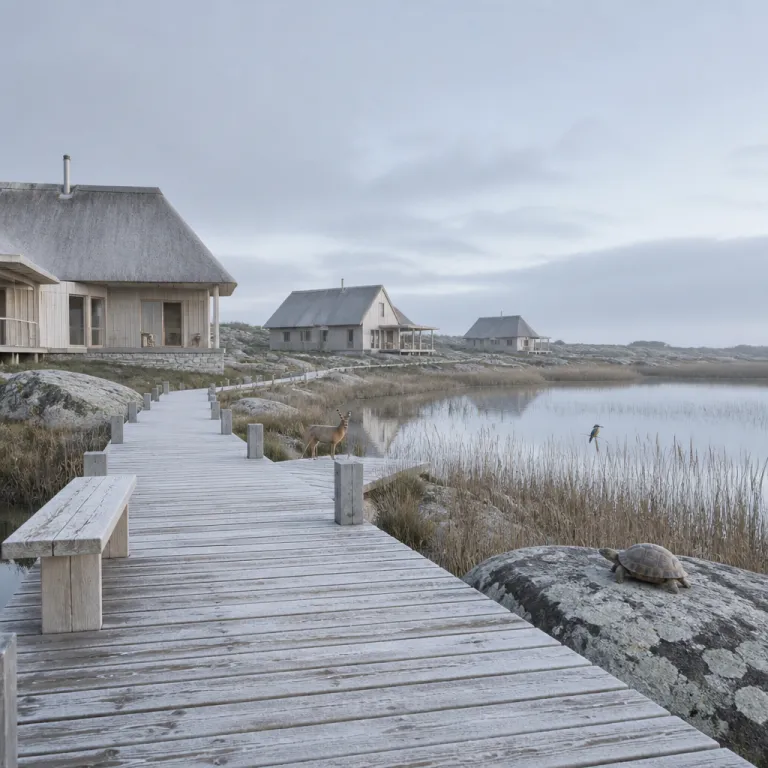
Why the best lodges look beyond the Big Five checklist
The phrase “Big Five” comes from the hunting era, not modern travel values. On a contemporary African safari, the most meaningful wildlife encounters at a family safari lodge often involve animals you had never heard of before arrival. A thoughtful family trip in Africa becomes richer when a game lodge team shifts attention from a big safari headline to the quieter drama of the wild.
Across South Africa, Zambia and Tanzania, leading lodges now design every experience around biodiversity and conservation rather than only the Big Five icons. Many work with local conservationists so that each private game reserve, coastal park or forest lodge protects entire ecosystems, from wild dogs to pangolins and from raptors to reef fish. This wider lens turns a standard five safari circuit into a layered African travel journey where children learn why “What is the Big Five? Lion, leopard, elephant, buffalo, rhino.” is only the starting point.
Families booking a luxury lodge through a curated safari platform can filter for properties that explicitly highlight wildlife experiences beyond the usual Big Five safari lodge expectations. These game reserves often cap vehicle numbers, limit off-road driving and invest in conservation efforts that favour shy animals as much as showstoppers. When a private game lodge in South Africa or near Lake Manyara in Tanzania protects nocturnal mammals, raptors and turtles, your adventures in Africa’s big landscapes feel both intimate and responsible.
The night drive revelation: life after sunset
Ask any seasoned African safari guide when the bush feels most alive and many will say after dark. Night game drives from a private game lodge reveal a parallel world where aardvarks, civets, genets and porcupines take over the tracks in a hush that makes every rustle feel big. For families, this is often the moment when a wildlife-focused stay at a Big Five safari lodge becomes a true wilderness education.
On carefully regulated night safaris, spotlights sweep slowly across the reserve, guided by strict conservation protocols that avoid dazzling animals. Guides use tracking devices and years of experience to find rare nocturnal mammals, and data from some properties shows that pangolin sightings may average only a handful of times per year while aardvark sightings remain slightly more frequent. For example, research shared by the African Pangolin Working Group notes that even in well-protected areas, many guides go months between confirmed pangolin encounters, with some reserves reporting fewer than 10 sightings annually. These numbers underline why experienced trackers often get more excited about a single pangolin than a pride of lions and why “Why focus beyond the Big Five? To appreciate biodiversity.” is more than a slogan.
Before you book, read what elite trackers wish guests knew about patience and behaviour on drives, using resources such as lodge pre-arrival guides or conservation-focused safari briefings. Families who follow instructions, wear neutral colours and keep noise low give shy animals space to behave naturally during game drives. One guide in northern Botswana summed it up simply: “If you sit still and let the dark wrap around you, the bush will decide what to show your children.” When your children watch a honey badger raid a termite mound or a serval pause mid-stalk, the five safari marketing promise fades and the real Africa big story begins.
Small predators, rare mammals and the drama between the headlines
Once the pressure to tick off the Big Five eases, attention shifts to the animals that define a truly great lodge. Cheetahs running down impala on open plains, leopards caching kills in trees and servals hunting rodents in long grass all show a different side of the wild. These scenes unfold daily in many game reserves, yet they rarely feature in a standard big safari brochure.
Specialist guides at leading African travel lodges know that families remember the unexpected moments most clearly. A caracal slipping through rocky outcrops or a pack of wild dogs coordinating a hunt across a private game reserve can hold children silent for minutes, which is rare on any family trip. When a long-legged serval appears on a night drive or an African wild dog pack trots past your vehicle, the idea of wildlife encounters beyond Big Five safari lodge marketing suddenly feels very real.
Some properties now build their entire experience around a single elusive species, from pangolin-focused research camps in Zambia to raptor reserves that protect Cape vultures in South Africa. Well-known initiatives such as the Endangered Wildlife Trust’s carnivore conservation programmes and community-based anti-poaching units in the Greater Kruger area show how guest fees can directly support field work. These lodges channel conservation efforts and guest contributions into habitat protection, anti-poaching patrols and community projects that support both people and animals. For families choosing a luxury lodge through a curated platform, prioritising such specialist reserves turns a simple safari into a meaningful conservation trip that stretches far beyond big expectations.
Birding, coasts and lakes: the overlooked frontiers of lodge life
Birding at a game lodge is often pitched as an optional extra, yet it can transform a stay. Properties such as those in Madikwe Game Reserve in South Africa, where more than 350 bird species have been recorded according to the North West Parks Board, offer a masterclass in how a national park can host both big mammals and delicate migrants. Children quickly learn that an African safari is not only about lions but also about bee-eaters, hornbills and raptors circling above the reserve.
Coastal lodges in South Africa and Mozambique extend wildlife encounters beyond Big Five safari lodge expectations into the ocean. At places similar in spirit to turtle-monitoring beach retreats along the iSimangaliso coastline, guests may watch leatherback turtles weighing several hundred kilograms haul themselves ashore to nest, while humpback whales breach offshore and reef snorkelling reveals kaleidoscopic fish. These marine adventures in Africa complement inland game drives, proving that a single trip can include both national park savannahs and wild ocean encounters.
In East Africa, lakeside properties near Lake Manyara or along the Rift Valley offer flamingo-filled horizons, hippo pods and forest primates within a compact area. A family might spend the morning on traditional game drives in a national park and the afternoon on a gentle boat safari, counting kingfishers and listening to fish eagles. Choosing a lodge that treats birding, lakes and coasts as central to the experience, rather than side activities, ensures your Africa big journey feels textured and quietly luxurious.
Designing a family friendly lodge stay around quieter encounters
For families using a luxury and premium booking website for lodges, the art lies in reading between the lines. Look for language about wildlife encounters beyond Big Five safari lodge expectations, specialist guiding, research partnerships and low vehicle density rather than only spa menus and room sizes. A lodge that highlights guided walks, night safaris and conservation projects usually offers a deeper experience than one that only lists game drives and sundowners.
Pay attention to how a private game lodge describes its conservation efforts and community involvement, because this often signals the quality of guiding. Properties that support pangolin monitoring, wild dog collaring or vulture protection programmes tend to attract serious naturalists who love sharing their knowledge with children. When a reserve invests in eco-friendly practices and education, your family trip supports both wildlife and local livelihoods across South Africa and the wider region.
Balance wilderness with comfort by pairing a remote game reserve stay with a few nights in a well-located city or valley lodge, using curated guides and trusted reviews as a benchmark for service standards. A few days in Cape Town or another African city can frame your adventures in Africa with culture, food and history before or after time in the bush. The most rewarding African travel itineraries move beyond big marketing promises and instead weave together national park stays, private game reserves and coastal lodges into one coherent, quietly luxurious journey. When you are ready, speak with a specialist safari planner or use a curated booking platform to match your family with lodges that genuinely celebrate life beyond the Big Five.
FAQ
Why should families look beyond the Big Five on safari?
Focusing only on the Big Five narrows what your children notice and remember. When guides highlight smaller predators, rare mammals, birds and reptiles, every game drive becomes richer and more educational. This broader focus also supports conservation by valuing entire ecosystems rather than just a few headline animals.
What is the best time for night safaris with children?
Dry season conditions usually offer the best visibility and easier wildlife tracking at night. Cooler evenings, shorter grass and fewer water sources make it simpler for guides to find nocturnal animals such as aardvarks, civets and porcupines. Always check age limits and ask lodges how they adapt night drives for younger guests.
How do I choose a lodge that supports real conservation efforts?
Look for clear information about research partnerships, anti-poaching work and community projects on the lodge website or booking platform. Properties that mention specific species programmes, such as pangolin monitoring or wild dog protection, tend to be more serious about conservation. Independent audits, long-term staff and transparent fees for park or reserve conservation are also strong indicators.
Are specialist wildlife lodges suitable for first time safari travellers?
Specialist lodges built around species such as gorillas, whales or raptors can be excellent for first timers if you balance them with a more general game reserve stay. Families often enjoy starting in a classic game lodge where they can see a wide range of animals, then adding a few nights at a focused property. This combination keeps the trip varied while still allowing deep engagement with one species or habitat.
What should families pack for wildlife encounters beyond the Big Five?
Neutral-coloured clothing, a good pair of binoculars and insect repellent are essential for both adults and children. A small torch, a notebook for wildlife lists and a lightweight field guide can also enhance the experience. Most important, though, is a willingness to be patient and to follow guide instructions so that shy animals feel safe enough to appear.