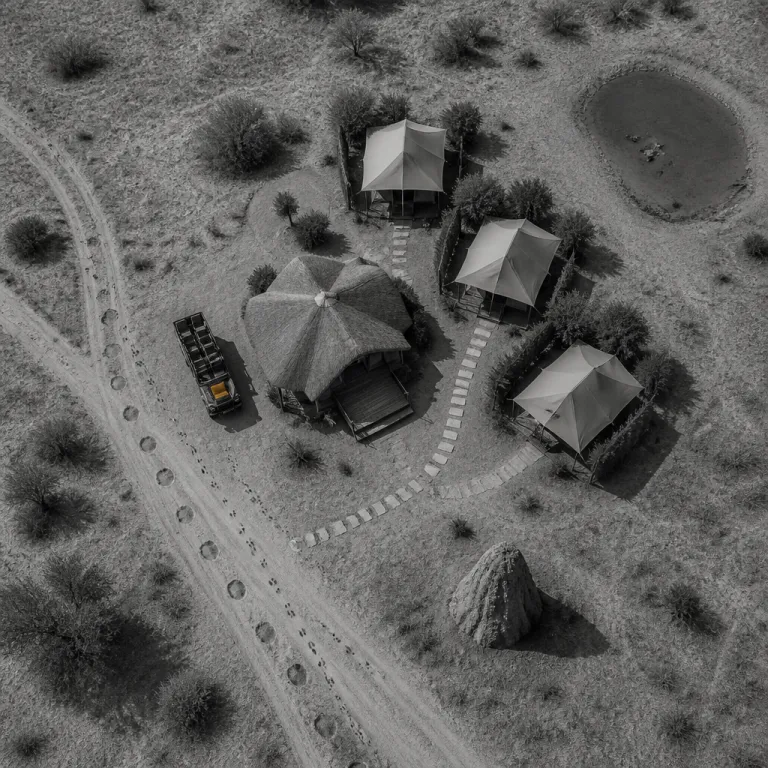
Reading the bush: why your safari guide cares how you pack
Elite safari guides in Africa start assessing a safari experience the moment guests step off the transfer vehicles at camp. They notice whether you bring safari clothing in muted tones, how you handle your camera, and whether your phone is already in airplane mode. That first impression will quietly shape how they plan your african safari game drives, walking safaris, and time in camp across each day.
On a premium lodge booking platform, the finest africa safari properties now brief guests in detail before the trip, because the guide to guest ratio and preparation will decide whether your safari experiences feel choreographed or genuinely wild. A ratio of one safari guide to four guests allows guides and trackers to read wildlife tracks, adjust the game drive route, and respond to your interests in real time, while a ratio of one to ten limits spontaneity and depth. When you are going on safaris in east Africa or south Africa, that single metric often tells you more than any glossy brochure about how your safari experience will unfold.
Guides also look at your footwear, layers, and bag size before the first game drive leaves camp. Walking safari guides, who usually hold higher certifications than vehicle based safari guides, know that neutral colored clothing matters more than the logo on your jacket, because bright white or electric blue can spook wildlife and ruin a sighting for the entire vehicle. When you book a lodge through a curated site such as lodge stay, you should expect clear safari tips on packing, including why soft bags work better in africa safari aircraft and how many kilograms you can realistically bring for a multi camp trip.
The first morning briefing: questions that impress your guides
The first morning briefing at camp is where seasoned safari guests quietly separate themselves from first timers. Experienced travelers ask their safari guide about wind direction, likely wildlife movements, and how the tracker and guide will communicate during game drives, rather than only asking about Wi Fi or bar opening times. Those questions signal respect for the craft of tracking and for the africa based staff who will shape every hour of your safari experience.
Safari guides leading safaris across east Africa, from Tanzania to Kenya, often say that the best guests arrive with curiosity rather than a rigid checklist of animals. When you tell your guide that you are happy to spend time with a single pride of lions or a flock of carmine bee eaters, you give them permission to slow down the game drive and read the bush properly. That patience usually leads to richer safari experiences, whether you are on an african safari in the Serengeti, a private concession in south Africa, or a quieter reserve where only a few vehicles share the wildlife sightings each day.
During the briefing, ask about how the tracker and safari guide work together, what to expect from night drives, and how tipping safari etiquette works at that particular camp. You can also request specialist focus, such as photography, birding, or predator behavior, which many high end lodges now offer through dedicated safari guides. When a camp manager hears these thoughtful questions, they will often pair you with guides and lodge staff whose skills match your interests, turning a standard africa safari into a tailored, guide led journey.
Bush etiquette from the tracker’s seat: phones, silence, and the line you must not cross
From the tracker’s seat on the front of the vehicle, bush etiquette is not abstract courtesy ; it is the difference between a calm leopard and a vanishing tail. Guides repeatedly mention three guest habits that damage safari experiences for everyone on board. Phone sounds during a game drive, sudden standing in the vehicle, and loud talking at critical wildlife moments will all push nervous animals away.
On a premium africa safari, your safari guide will usually brief guests about phone use before the first game drives leave camp, but the message often needs repeating. Keep your phone on silent, avoid speakerphone calls in shared areas, and resist the urge to hold your phone or camera above your head while the vehicle is moving, because that extra height can change the silhouette and alarm wildlife. The best safari tips from veteran guides are simple ; stay seated, move slowly, and let the tracker and guide manage the distance to animals, whether you are in tanzania or Kenya, south Africa, or another african reserve.
Guides value guests who can sit in silence while the bush speaks for itself, because that quiet allows them to hear alarm calls, distant engines, and subtle changes in the wind. When you are going on an african safari arranged through a luxury lodge booking website, look for camps that mention walking safaris and low vehicle density, since those details usually indicate a guiding culture that prizes respect over rush. As one training manual for safari guides puts it without embellishment, "Wear neutral-colored clothing., Follow guide's instructions., Maintain quiet during sightings."
The unspoken economy: safari tipping etiquette and who actually receives it
Money is rarely mentioned in the glow of a sundowner, yet safari tipping etiquette is one of the most misunderstood parts of an africa safari. In many camps across east Africa and south Africa, safari tipping is customary but not tipping mandatory, and the structure can be confusing for guests who are used to fixed service charges. A thoughtful approach to tipping safari teams respects both your budget and the invisible work of the lodge staff who never join you on a game drive.
Most premium lodges separate gratuities between the guiding team and the general camp staff, with transfer drivers sometimes included in a third pool. Your safari guide and tracker usually receive a per guest, per day amount placed in a specific envelope, while the wider lodge staff, from the kitchen équipe to the laundry and maintenance teams, share a communal fund. When planning your trip through a luxury booking website, you should ask for clear safari guide tips on suggested ranges for guides, trackers, transfer drivers, and lodge staff, expressed in local currency and per day, so you can prepare cash discreetly.
Norms vary by region, with some camps in Tanzania and Kenya suggesting a lower base than private reserves in south Africa, where guide to guest ratios are often tighter and walking qualifications higher. Whatever the guideline, the most respected guests hand over tips with quiet gratitude rather than performance, acknowledging that a seamless safari experience is generated by dozens of people you may never meet. If you are combining an african safari with a stay in a refined city property, such as a premium apartment style hotel in Reykjavík that focuses on families and groups, you will notice how different tipping cultures shape staff behavior, and that contrast can sharpen your appreciation for the service ethos in remote camps.
What elite trackers wish every solo explorer would bring to camp
Ask veteran safari guides what they want from guests, and the answers rarely mention luxury amenities. They talk about time, patience, and a willingness to bring safari curiosity rather than safari entitlement, especially from solo travelers who can adapt quickly to the rhythm of the bush. The best safari guide tips for preparation blend practical packing advice with a mindset shift that will quietly transform your trip.
On the practical side, guides suggest a reliable camera with a spare battery, a soft sided bag, and neutral layers that work from the chill of a dawn game drive to the heat of midday in camp. They also recommend a simple phone setup with offline maps and a note of key lodge numbers, kept on silent during game drives but available for travel logistics, especially when transfer drivers are coordinating multiple safaris in remote african regions. A small headlamp, a notebook for wildlife sightings, and a lightweight scarf can all earn quiet approval from guides who know how quickly conditions change in africa.
On the mindset side, the most valuable thing you can bring to an africa safari is flexibility about sightings and a deep respect for the tracker guide partnership. Two people reading the bush together will always find more game than a single guide, but only if guests allow them the time to follow faint tracks, circle back, and sometimes return empty handed. When you arrive at camp with that understanding, your safari experiences stop being a checklist and become a shared safari experience, shaped as much by the guides’ decisions as by the wildlife itself.
FAQ
What should I pack for a luxury african safari lodge stay ?
Pack neutral colored clothing, a soft sided bag, and layers suitable for cool mornings and warm afternoons, because bright colors can disturb wildlife during game drives. Bring a camera with spare batteries, sunscreen, a hat, and light gloves for winter dawn drives, plus any prescription medication in original packaging. Many high end camps provide binoculars, but serious wildlife enthusiasts often prefer to bring their own for a more personal safari experience.
Is it safe to go on a safari with walking activities ?
Guided safaris are safe when you follow your safari guide’s instructions, especially on walking activities where certified walking guides manage distance and wind carefully. In most african countries, walking guides hold higher qualifications than vehicle based guides, and reputable lodges enforce strict safety briefings before every walk. You can increase safety further by wearing closed shoes, staying in single file, and keeping conversation low so guides can hear the bush.
How long should my safari trip be to justify flying into remote camps ?
Africa safari itineraries typically range from three to ten days, but serious wildlife travelers often aim for at least six nights split between two camps. That duration allows time for different habitats, varied game drives, and a mix of vehicle and walking safaris without feeling rushed. If you are combining an african safari with a city stay or coastal extension, consider a total trip of ten to fourteen days to balance travel time and rest.
How does tipping work for safari guides and lodge staff ?
Most premium lodges suggest separate gratuities for your safari guide and tracker, the general lodge staff, and sometimes transfer drivers, with guidelines expressed per guest, per day. Tipping is customary but not legally mandatory, and amounts vary between regions such as Tanzania, Kenya, and south Africa, so it is wise to request written guidance from your booking consultant. Whenever possible, tip in local currency and use the lodge envelopes, which ensure that funds reach the correct teams discreetly.
Can I stay connected by phone and still respect bush etiquette ?
You can stay connected for essential logistics by keeping your phone on silent and using it only in your tent or designated Wi Fi areas, never during wildlife sightings. Many guests choose a partial digital detox, checking messages once or twice a day between game drives to stay present in the bush. If you must take an urgent call, inform your guide in advance so they can pause the vehicle in a non sensitive area away from wildlife.