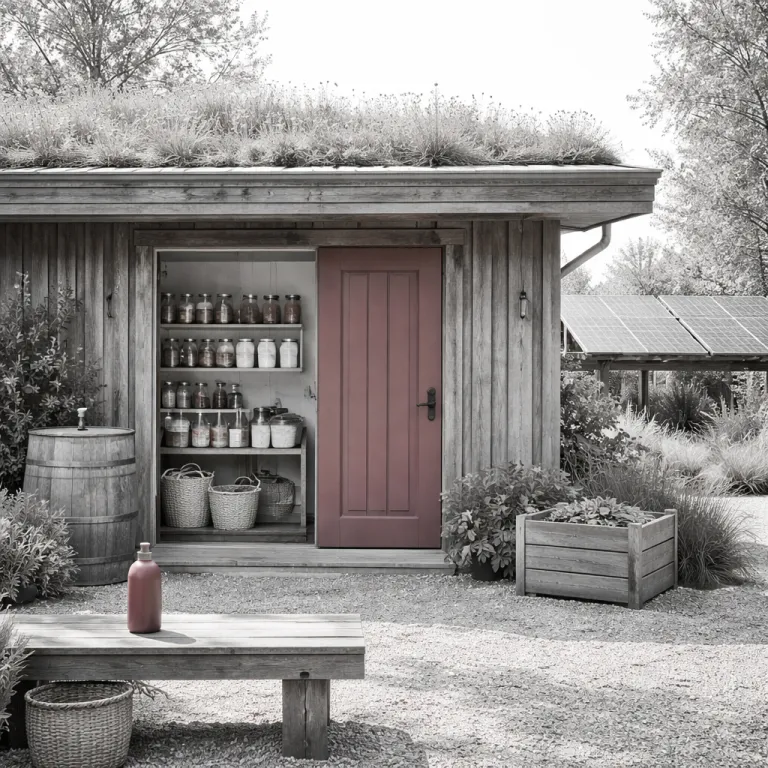
From carbon neutral to carbon positive lodge sustainability
Luxury lodges once chased carbon neutral status as the ultimate goal. Carbon positive lodge sustainability now goes further by removing more carbon from the atmosphere than each property emits, turning the lodge itself into a quiet restoration tool. For families planning meaningful travel, this shift changes how you read every sustainability claim on a hotel website and how you compare one eco stay with another.
In hospitality, carbon positive means more than offset vouchers and glossy pledges. As one expert definition puts it, “What does carbon positive mean? Removing more carbon from the atmosphere than emitted.” When you compare lodges, ask how they measure operational carbon from daily energy use and how they account for embodied carbon locked into the original construction and later refurbishments, ideally using recognised frameworks such as the Greenhouse Gas Protocol or ISO 14064, and whether they publish a summary of those inventories.
True carbon positive lodge sustainability starts with the building before the first guest arrives. Low carbon construction choices, from structural materials to façade design, shape the long term environmental impact of the property. Once open, the most credible positive hotel projects track every tonne of carbon, from food waste and laundry to transfers and activities, then balance it with verified tree planting, forest restoration, and renewable energy investments that are audited by independent partners and reported in annual impact statements.
Inside Populus Denver, the carbon positive city hotel families talk about
Populus Denver is often described as America’s first carbon positive hotel, and it has become a reference point for urban sustainability. The property sits in downtown Denver, Colorado, yet its design language borrows from the trunks and hollows of an aspen forest. Behind the sculpted façade, Populus hotel operations are engineered to keep both operational carbon and embodied carbon as low as possible for a dense city building, with the developer Urban Villages publishing lifecycle carbon studies for the project and outlining projected emissions reductions over the building’s lifespan.
The architecture, led by Studio Gang, uses low carbon concrete and carefully specified materials to reduce the carbon footprint of the structure itself. Populus Denver is designed to run on 100 percent renewable energy, while all food waste from the hotel’s kitchens is planned to be composted and sent to local farms that supply seasonal food back to the restaurant. This circular approach to food and food waste turns a standard hotel cost centre into a climate positive engine that supports nearby urban villages and regional producers, with performance tracked through waste diversion rates and supplier audits.
Populus will not rely only on offsets; instead, the real estate strategy includes large scale tree planting and support for national forests through partners such as the National Forest Foundation. The One Night One Tree initiative has already committed to planting more than 70,000 trees, each tree helping to sequester carbon and restore damaged forest ecosystems over time, according to figures shared by the project partners. For families choosing a positive hotel in a city, this model shows how buildings in dense neighbourhoods can still contribute to wider landscapes beyond their own footprint, and why audited impact and transparent reporting matter more than slogans about being carbon neutral.
Wilderness lodges, forest edges and the quiet advantage of remoteness
Far from Denver’s skyline, lodges like Black Rock Lodge in Belize or Swell Lodge on Christmas Island work with a different canvas. Their buildings sit close to forest edges, rivers, or ocean cliffs, where natural ventilation and shade reduce the need for mechanical cooling and cut daily energy demand. This setting gives carbon positive lodge sustainability a head start, but it also introduces tough logistics that can increase waste and emissions if not managed carefully, especially when supplies and staff must travel long distances.
Black Rock Lodge runs on renewable energy and composts 100 percent of its food waste, turning kitchen scraps into soil that feeds on site trees and gardens, as described in its sustainability statements. Swell Lodge powers its eco chalets entirely with solar energy, proving that even remote real estate can avoid diesel generators and still deliver hot showers after a long hike. Both lodges show how careful design, from building orientation to materials selection, can shrink operational carbon while keeping the guest experience quietly luxurious, with many remote properties now publishing annual sustainability reports that include per guest night emissions and year on year reductions.
New Zealand’s Owen River Lodge and Whakaipo Lodge go further by claiming carbon positive or climate positive status through a mix of low carbon operations and verified offsets. Their teams invest in tree planting projects and national forests, while also working with local farms to shorten supply chains for fresh food and document those partnerships in certification assessments. For families, these properties offer a chance to teach children how travel choices affect environmental impact, not in a classroom but on a riverbank or beside a fire after a day outside, supported by clear data on how many tonnes of CO₂ are removed or avoided each year and which independent bodies verify those numbers.
How to read carbon claims when booking a luxury lodge
Marketing language around carbon positive lodge sustainability can be slippery, especially when every hotel now carries some kind of green badge. One useful resource is the growing analysis of eco certification trends in hospitality, which explains how more than twenty eight thousand hotels now hold at least one sustainability label and why the standards vary widely. When you browse a booking platform, treat each green icon as a starting point, then look for the underlying data on carbon footprint, energy use, and waste, ideally linked to specific audit reports or certification summaries.
Families should ask three simple questions before confirming a stay at any positive hotel or lodge. First, how is operational carbon measured, and does the property publish annual figures for energy, water, and waste per guest night, ideally verified by schemes such as Green Globe, EarthCheck, or B Corp assessments. Second, how does the lodge address embodied carbon from construction and later renovations, including the choice of materials for buildings, interiors, and landscape design, and whether a lifecycle assessment or environmental product declaration has been completed.
Third, what independent body verifies the carbon positive or carbon neutral claims, and how often are those audits repeated. Credible projects will name partners such as environmental charities, national forests programmes, or local farms that receive compost and supply food in return, and may reference standards like ISO 14001 for environmental management. When a property references urban villages, tree planting schemes, or Studio Gang style architecture without numbers or timelines, treat it as a signal to keep asking questions or to consider another option, perhaps a refined mountain stay that explains its sustainability work in detail, such as the lodges highlighted in this guide to elegant mountain hotels in Red Lodge, Montana.
Design details that make a lodge genuinely carbon positive for families
On the ground, carbon positive lodge sustainability is built from hundreds of small design decisions that shape how you and your children move through a stay. Thoughtful construction uses durable, low carbon materials such as reclaimed timber, high performance glazing, and recycled metal, which reduce both embodied carbon and long term maintenance waste. Buildings are oriented to capture breezes, shade terraces, and frame views of forest or mountains, cutting energy demand while keeping the drama of the landscape front and centre for every generation.
Inside, efficient lighting, smart controls, and renewable energy systems quietly manage the background load of a busy family holiday. Kitchens that prioritise local farms for food sourcing reduce transport emissions and often serve fresher meals, while careful planning of menus helps to minimise food waste without feeling restrictive. When leftovers do occur, on site composting or biodigesters can turn them into energy or soil, closing the loop between plate, garden, and surrounding trees, and giving lodges measurable reductions in kilograms of waste per guest night that can be listed in sustainability dashboards.
Outside, tree planting programmes and habitat restoration projects link each guest night to tangible environmental impact beyond the property boundary. Some lodges invite families to join a morning of planting native trees in nearby national forests, giving children a direct connection between their travel and the carbon cycle. Others support urban villages or regional communities through real estate partnerships that protect land from overdevelopment, ensuring that the forest, river, or coastline you enjoy today will still feel wild when your children return with their own families, backed by conservation easements or long term stewardship agreements.
What families can do to support carbon positive lodge sustainability
Your choices before, during, and after a trip can amplify the work of carbon positive lodges. When planning travel, consider routes that minimise flights or combine several stays into one longer journey, which reduces the carbon footprint per day of holiday. Once on site, simple habits such as reusing towels, switching off lights, and choosing low impact activities help to keep operational carbon down without sacrificing comfort, especially when paired with the lodge’s own efficiency measures.
Many lodges now invite guests to participate in their environmental programmes in ways that feel enriching rather than worthy. You might join a guided walk through nearby forest to learn how trees store carbon, or spend an hour helping with tree planting in a community nursery. Some properties offer the option to fund extra trees planted or renewable energy projects at checkout, turning a family treat into a small but real positive contribution that can be counted in additional tonnes of CO₂ removed and referenced in the lodge’s annual impact report.
After you return home, share specific feedback with the hotel or lodge about which sustainability initiatives felt meaningful and which seemed like greenwashing. Honest reviews that mention renewable energy use, food waste management, and clear reporting on carbon positive goals help other travellers make better decisions. Over time, this kind of informed demand will push more real estate developers, architects, and operators to treat carbon positive lodge sustainability not as a niche experiment but as the new standard for luxury family travel, supported by verifiable data and third party certification.
FAQ
What does carbon positive lodge sustainability actually measure ?
Carbon positive lodge sustainability measures whether a property removes more carbon from the atmosphere than it emits across both operations and construction. This includes operational carbon from daily energy use, transport, and waste, as well as embodied carbon stored in building materials and furnishings. Lodges then balance these emissions through verified actions such as renewable energy generation, tree planting, and long term forest restoration that can be tracked in tonnes of CO₂ equivalent and, ideally, summarised in public impact reports.
How do lodges become carbon positive rather than just carbon neutral ?
Lodges move beyond carbon neutral by first reducing their own emissions through low carbon design, efficient buildings, and renewable energy, then investing in projects that remove additional carbon. These projects can include reforestation in national forests, regenerative agriculture with local farms, or on site tree planting that restores degraded land. The key difference is that carbon positive status requires a net removal of carbon, not just balancing emissions to zero, and credible operators will publish timebound targets and third party verification, often aligned with standards such as the Greenhouse Gas Protocol.
Why is carbon positive important for luxury family travel ?
For families, carbon positive lodges offer a way to enjoy high comfort while supporting environmental restoration rather than degradation. Children can see how renewable energy systems, careful food waste management, and forest projects work in real life, turning a holiday into a quiet education. At the same time, these properties help protect the wild landscapes and wildlife experiences that make a trip memorable in the first place, preserving them for future generations.
How can I verify a lodge’s carbon positive or carbon neutral claims ?
You can ask the lodge to share recent data on its carbon footprint, including energy use, waste, and travel emissions per guest night. Credible properties will name independent auditors or environmental partners and explain how often their performance is reviewed, sometimes referencing standards such as ISO 14064 for greenhouse gas accounting or ISO 14001 for environmental management. If a lodge cannot provide this information or relies only on vague marketing language, it is safer to treat the claim with caution and look for alternatives with clearer documentation.
What small actions can my family take during a stay to reduce impact ?
Simple steps such as choosing direct travel routes, reusing linens, and switching off lights and air conditioning when leaving the room all reduce operational carbon. Opting for local food, joining tree planting or conservation activities, and avoiding single use plastics also make a measurable difference. When many families adopt these habits, they support the lodge’s wider carbon positive strategy and encourage further investment in sustainability, from renewable energy upgrades to expanded habitat restoration.