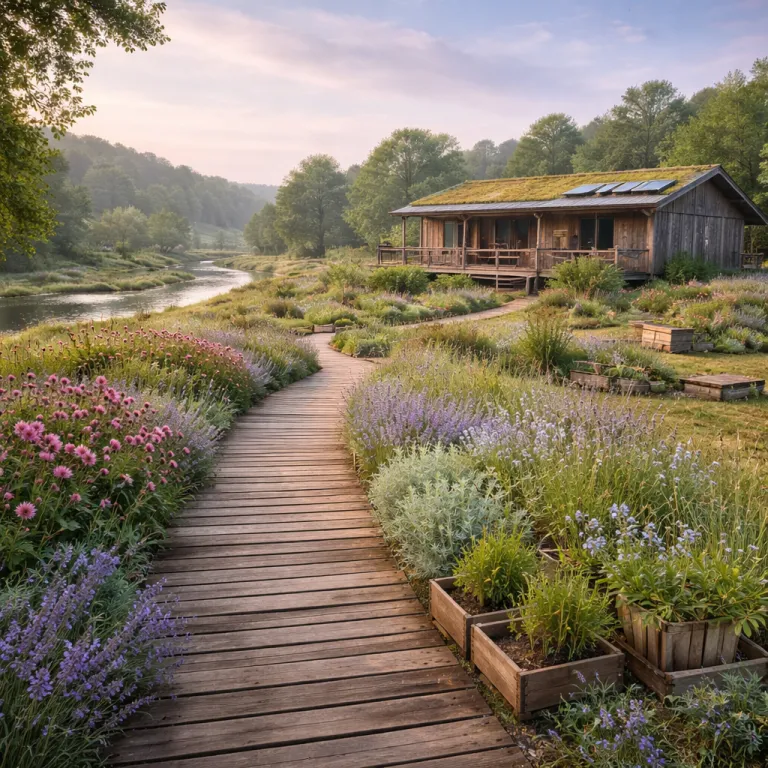
From sustainable to regenerative: how lodges are rewriting the rules
Regenerative travel lodge 2026 is shorthand for a new kind of stay. It signals a shift in the travel industry from sustainable tourism that simply reduces harm toward regenerative tourism that actively repairs landscapes and supports local communities. For solo explorers, it means your chosen hotel or lodge becomes a tool for regeneration rather than just a backdrop for a holiday.
Traditional tourism focused on minimising footprints, while regenerative hospitality asks how each guest night can create positive impact for people and nature. Sustainability audits inputs such as energy, water and waste, whereas regeneration audits outcomes such as biodiversity recovered, livelihoods created and ecosystems restored. In this context, regenerative travel and regenerative luxury are less a marketing label and more a long term operating vision for the entire hospitality industry.
Across the global map of luxury hotels, a quiet revolution is underway. Lodges near a national park, on a remote coastline or in fragile mountain real estate are experimenting with design regenerative principles that heal the earth rather than scar it. This tourism trend is reshaping what luxury, hospitality and sustainable travel look like when climate risk, community resilience and sustainable development become non negotiable.
What makes a lodge truly regenerative, not just eco friendly
Regenerative travel lodge 2026 properties start by treating place as the primary asset. A regenerative hotel does not only install solar panels ; it asks how every decision, from architecture to menus, can support local communities and restore ecosystems. That is why methods such as renewable energy, local sourcing and waste reduction are only the baseline for serious regenerative hospitality.
Regenerative hotels go further by funding conservation initiatives, training community monitors and tracking ecological indicators alongside financial KPIs. Many of the most credible players publish impact reports that detail how tourism revenue supports sustainable development, from rewilding projects to community enterprises. As one definition puts it clearly, “Travel that leaves destinations better than before.”
For a solo traveler comparing hotels, the difference shows up in the details. A genuinely regenerative travel experience might include guided walks led by local elders, data on species returning to restored wetlands and transparent reporting on how your stay contributes to climate resilience. This is where sustainable travel evolves into regenerative tourism, and where luxury hotels begin to justify their footprint through measurable regeneration.
Some lodges now pair zero waste operations with carbon positive ambitions, turning their properties into living laboratories for sustainable tourism. If you want to understand how far this movement can go, look for in depth reporting on carbon positive hospitality and zero waste lodges. These stories show how the travel industry can move from incremental sustainability to bold, regenerative luxury that genuinely shifts impact on the ground.
How to read certifications, labels and impact claims
Regenerative travel lodge 2026 conversations often start with certifications, because badges are the quickest way to signal intent. The eco tourism market has expanded rapidly, and thousands of hotels now carry some form of green label. Yet for a traveler who cares about regeneration, not every sustainability logo reflects the same depth of impact.
Regenera Luxury positions itself as the first certification dedicated specifically to regenerative hotels, evaluating more than two hundred KPIs that map against most of the UN Sustainable Development Goals. Where many schemes focus on operational efficiency, Regenera Luxury looks at how a hotel contributes to local well being, biodiversity and long term climate resilience. This kind of framework helps separate regenerative hospitality from generic sustainable tourism, especially in the crowded luxury segment.
When you browse a booking platform, treat eco labels as a starting point rather than a verdict. Look for properties that share detailed impact data, explain how they work with local communities and outline a clear vision for regeneration over the next decade. For a broader sense of how certifications are evolving, explore analysis on the surge of green badges in hospitality, such as the overview of how thousands of hotels now carry sustainability certifications.
The most trustworthy lodges combine third party verification with radical transparency. They publish annual impact reports, invite independent audits and welcome guest questions about everything from water use to community partnerships. In a noisy global tourism market, that level of openness is often the clearest sign that a hotel is serious about regenerative tourism rather than simply following surface level travel trends.
On the ground: lodges where your stay funds regeneration
Regenerative travel lodge 2026 is not a theory ; it already shapes real properties from Alaska to Costa Rica. At TOJI Nature Retreat in Costa Rica, for example, the team frames every decision through the lens of regenerative travel and community benefit. Guests sleep in low impact structures, eat food grown nearby and join activities that support conservation rather than strain local resources.
Far north at Tutka Bay Lodge in Alaska, regenerative hospitality means weaving coastal ecology, local fisheries and Indigenous knowledge into each stay. Guided experiences focus on the living systems that support the lodge, from kelp forests to salmon runs, and tourism revenue helps fund conservation and education programmes. In Chile, Eko Patagonia operates with a similar commitment, using sustainable design and local partnerships to ensure tourism impact strengthens rather than weakens fragile landscapes.
These lodges show how regenerative tourism can reshape the relationship between luxury and earth care. Instead of isolating guests from surrounding villages, they invite travelers into respectful exchanges with local communities, often through co created excursions and shared meals. The result is a form of sustainable travel where tourism trend lines point toward regeneration, not extraction.
For solo explorers, this model changes how you evaluate a potential hotel. You are not only comparing room categories and spa menus ; you are weighing how each property treats land as living real estate, how it supports sustainable development and how it measures positive impact over the long term. When a lodge can answer those questions clearly, you know your stay is part of a larger story of regeneration.
How to choose a regenerative lodge for your next solo journey
Regenerative travel lodge 2026 thinking gives you a practical checklist when you book. Start by asking how the hotel defines regeneration, and whether it aligns with frameworks such as Regenera Luxury or other rigorous standards. Then look for evidence that the property integrates design regenerative principles, from water sensitive landscaping to buildings that work with, not against, local climate patterns.
Next, examine how the lodge engages with its neighbours and surrounding ecosystems. Strong regenerative hospitality usually means long term partnerships with local communities, transparent revenue sharing and programmes that support education or conservation. Many of the most credible properties also collaborate with environmental NGOs and publish data on tourism impact, including biodiversity indicators and social outcomes.
Location still matters, especially for solo travelers who want both immersion and access. A lodge on the edge of a national park, for example, can offer direct engagement with protected landscapes while channelling tourism revenue into park management and community led guiding. For mountain or alpine stays, resources such as the curated guide to refined lodge stays in the Sierra Nevada show how thoughtful hospitality can balance comfort with environmental responsibility.
Finally, pay attention to how a property talks about travel trends and tourism trend narratives. When a hotel frames regenerative tourism as a marketing hook without sharing concrete projects, treat that as a red flag. The most compelling examples of regenerative luxury speak plainly about challenges, share both successes and failures and invite guests to be part of an evolving, regenerative travel story rather than a polished brochure fantasy.
Planning your stay: questions to ask and red flags to avoid
Regenerative travel lodge 2026 choices start long before you arrive at the property. When you enquire or book, ask how the hotel measures its impact on climate, water and biodiversity, and how guests can participate in regeneration projects. A serious lodge will respond with specifics rather than vague references to being green or eco friendly.
Probe how the property works with local suppliers, guides and artisans, because regenerative tourism depends on strong community relationships. Ask whether the lodge supports local communities through employment, training and co ownership, and whether it has mechanisms for residents to give feedback or raise concerns. You can also request links to impact reports or case studies that show how tourism revenue has created positive impact over several years.
Be wary of properties that use the language of regenerative travel without backing it up. Red flags include a lack of partnerships with local organisations, no mention of conservation initiatives and an overemphasis on offsetting rather than on site regeneration. When travel is framed purely as consumption, rather than as a chance to contribute to earth care and sustainable development, the experience rarely lives up to regenerative hospitality ideals.
For solo explorers, the reward for this extra diligence is a stay that feels aligned with your values. You are not only enjoying luxury and attentive hospitality ; you are participating in a global movement that treats tourism as a force for regeneration rather than depletion. In that sense, travel is not an escape from reality, and travel is not a neutral act either ; travel is an opportunity to help write a different story for the places you love.
FAQ
What is regenerative travel and how is it different from sustainable travel ?
Regenerative travel is defined as “Travel that leaves destinations better than before.” Sustainable travel focuses on reducing negative impacts, such as lowering emissions or cutting waste, while regenerative tourism aims to restore ecosystems and strengthen communities. In practice, that means lodges invest in habitat restoration, cultural programmes and long term community partnerships rather than only improving their own operations.
How do eco lodges support local communities in a regenerative model ?
Eco lodges that embrace regenerative hospitality usually hire and train local staff, source food and materials from nearby producers and co design experiences with residents. According to widely accepted practice, “By employing locals and sourcing locally,” these properties keep more tourism revenue circulating within the community. Many also support education, health or conservation projects that reflect local priorities rather than imposing external agendas.
Why should I choose a regenerative lodge instead of a standard hotel ?
Choosing a regenerative lodge allows your travel spending to create positive impact for both nature and people. Instead of funding generic tourism infrastructure, you support projects such as reforestation, wildlife protection or community enterprises that would not exist without visitor revenue. For many travelers, that alignment between values and experience is as important as traditional markers of luxury.
How can I tell if a lodge is genuinely regenerative and not just using green marketing ?
A genuinely regenerative hotel will share detailed information about its projects, partners and measurable outcomes, often through public impact reports. Look for third party certifications such as Regenera Luxury, evidence of collaboration with local communities and clear data on biodiversity or social indicators. If a property cannot answer specific questions about its work, its commitment to regeneration is likely superficial.
Is regenerative travel only possible in remote wilderness destinations ?
Regenerative travel began in nature focused lodges, but the principles now apply across the global tourism industry, including urban hotels. Any property can design regenerative initiatives, from rooftop gardens and community art programmes to partnerships that support local entrepreneurs. What matters is a long term vision that treats tourism as a tool for regeneration rather than simply a way to fill rooms.