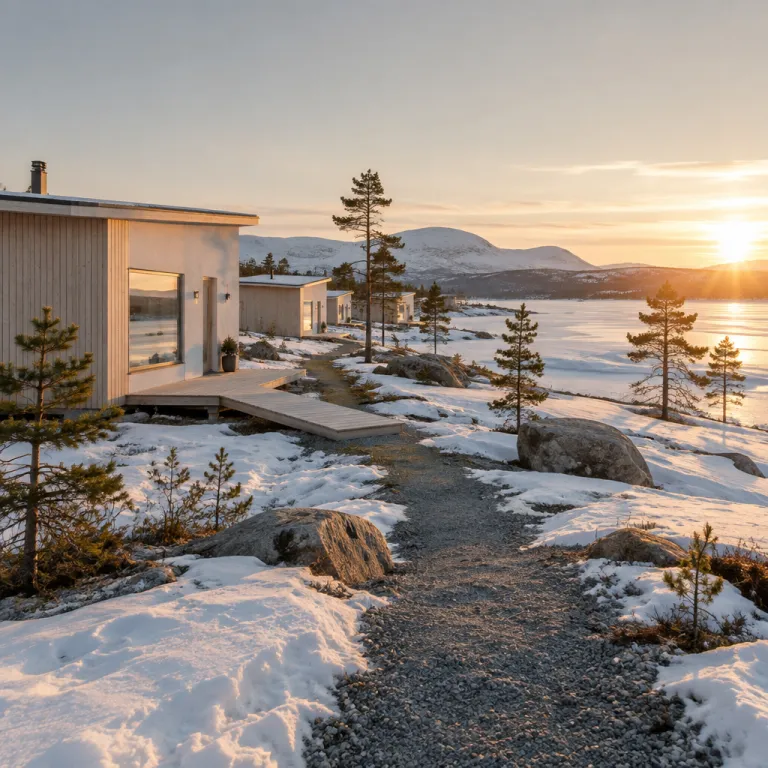
Luxury lodge vs resort identity in the wilderness
A true wilderness lodge is built around landscape, not corridors. In the quiet debate over whether a luxury lodge or a resort better belongs in wild country, the lodge wins when nature is the main amenity and the hotel playbook is kept firmly in the background. For travelers choosing between luxury hotels and remote lodges, the first question should be whether they want a hotel experience in the wilderness or a wilderness experience with just enough hotel comfort.
On a classic safari in southern Africa, the best camps feel almost temporary, like they could be folded away and the bush would reclaim the clearing by the next rainy season. Wilderness Safaris, for example, has long described several of its Botswana camps as “light-footprint” properties that can be dismantled with minimal trace, a claim echoed in its sustainability reports and environmental audits. These safari camps are not hotels or resorts in disguise; they are carefully run bases where the rhythm of the day follows wildlife, not room service schedules or spa appointment grids. The luxury here is the guide who knows every bend of the river, the private firepit under a sky full of stars and the lodge team who greet each guest by name, not the size of the fitness centre.
Resort-style hotels, even very refined ones, tend to centre the building rather than the land. A global hotel or a polished hotel brand such as Ritz-Carlton can deliver consistent hospitality, but the experience is usually defined by facilities, not by the wilderness itself. When you compare a wilderness lodge in South Africa’s Sabi Sand Game Reserve with a coastal resort near Cape Town, you are really comparing two philosophies of luxury rather than two versions of the same hotel stay.
What defines a lodge, and why it is not a hotel
The finest luxury lodges work on a guide-as-host model, where your ranger or naturalist becomes the anchor of your stay. Instead of a front desk, you arrive at the lodge and are met on the deck, a drink in hand, with other guests already trading safari stories as the sun drops behind the hills. This is where the difference between a wilderness lodge and a resort-style hotel becomes tangible, because the lodge is designed around shared spaces and a fixed daily rhythm tied to wildlife movements.
In East Africa, many safari camps in Kenya and Tanzania still operate with communal dining tables and open-sided lounges rather than enclosed hotel lobbies. At classic tented camps in the Maasai Mara or Serengeti, guests gather before dawn for coffee, head out on game drives, then return to the lodge for a late breakfast and a slow, shaded afternoon, which is a pattern that would feel unfamiliar inside most large hotels or beach resorts. For couples travelling with children, this format can be surprisingly relaxing, and you will find thoughtful options in curated collections of luxury family lodges where kids roam free while parents finally exhale into the quiet of the bush.
Even at the very top end of hospitality, a lodge is not trying to be a hotel, and the best properties resist that pressure. You will rarely see room numbers, reception queues or printed corporate scripts at a serious wilderness lodge in South Africa, Botswana or Namibia, because the guest experience is meant to feel like staying in a private home that just happens to sit in the middle of prime wildlife country. When you choose between hotels and luxury lodges, you are choosing between anonymity and intimacy, between a polished hotel brand promise and the slightly unpredictable magic of a small lodge where every guest is noticed.
The pressure to hotelify remote wilderness lodges
As luxury travel demand grows, even remote safari camps feel the gravitational pull of hotel conventions. Guests arrive with expectations shaped by luxury hotels in cities, by global hotel loyalty programmes and by review platforms that reward predictability over personality. The tension at the heart of the lodge-versus-resort question is that the very things that make a lodge special can look like flaws when judged by hotel standards.
Investors often push for scalable models that resemble hotels or resorts, with standardised villas, formal reception areas and room service menus that mirror those of an urban hotel. A wilderness lodge in the Okavango Delta or in Botswana and Namibia may be asked to add air-conditioned corridors, televisions and spa complexes, even when these additions dilute the sense of wilderness that drew travelers there in the first place. When a lodge installs a check-in desk, it subtly shifts from private bush retreat to small hotel, and something in the guest experience becomes less personal.
There is also pressure from the hospitality brand side, especially when a lodge is managed under a large hotel group that is used to city properties. A company that runs luxury hotels in Cape Town or South Africa’s wine country might be tempted to apply the same operating template to its wilderness lodges, even though the bush demands a different rhythm. Thoughtful owners push back, arguing that a lodge should feel more like an elegant camp than a compact resort, and they increasingly look to ideas such as invisible wilderness architecture to keep the focus on the land rather than the building.
What gets lost when a lodge becomes a resort
Once a wilderness lodge starts to mimic a resort, the first casualty is usually the sense of community. When guests can retreat to their villas for room service dinner, the long shared tables that once anchored the lodge fall quiet, and the stories that used to flow between strangers are replaced by the glow of individual screens. The question of whether you are in a lodge or a resort is not abstract here; it shows up in whether you end your safari day at a buzzing firepit or alone with a tray in front of a television.
On a classic African safari, the campfire is where conservation stories are told, where guides explain how wildlife corridors are protected and where guests begin to understand why their stay matters beyond comfort. Research by the African Leadership University’s School of Wildlife Conservation has reported that nature-based tourism can contribute up to 90% of conservation funding in some protected areas, a reality often explained to guests around those fires. When a lodge adds a formal lobby and a concierge desk, the guide-as-host model weakens, and the guest experience becomes more transactional, closer to what you would find in city hotels. Over time, the property risks becoming just another luxury hotel in the bush, with polished service but little sense of place.
Even small design decisions can erode the wilderness lodge character. Keys, door viewers and long internal corridors create a psychological barrier between guest and landscape, while televisions and heavy drapes pull attention away from the night sounds outside. Couples who chose a private safari lodge in South Africa or East Africa for its intimacy may feel they have ended up in a compact resort instead, and the long-term damage to the lodge’s brand can be hard to reverse once the hotel creep has set in.
Lodges that double down on wilderness identity
Some of the most compelling luxury lodges are responding by stripping away hotel features rather than adding them. They are leaning into the distinction between a wilderness lodge and a resort and choosing the side of the campfire, the open deck and the unhurried guide briefing instead of the lobby bar and the buffet. These lodges understand that for many modern travelers, true luxury is the absence of noise, not the addition of more amenities.
Across Africa, you see this in the way certain safari operators design their camps with open-sided lounges, no televisions and often no keys, trusting both the remoteness of the destination and the professionalism of their teams. In the Okavango Delta, for example, some private concessions host just a handful of guests in canvas suites that open directly onto the floodplains, with wildlife wandering past at dusk and the sounds of the bush replacing any need for background music. In South Africa and in East Africa, a new generation of lodge owners is choosing firepits instead of lobbies, sandy paths instead of corridors and communal dining instead of isolated tables, signalling clearly that this is not a hotel stay.
Design plays a crucial role in this resistance to hotel creep, and many architects now talk about making the lodge almost disappear into the landscape. Concepts explored in depth in analyses of invisible architecture in wilderness design show how low rooflines, natural materials and open plans can keep the focus on the surrounding wilderness rather than on the building itself. For couples seeking a romantic escape, this means waking to the scent of rain on dust, not to the hum of an air conditioning unit outside a hotel corridor.
How to choose: lodge, resort or hybrid hotel in the wild
When you are planning a high-end trip, the choice between a wilderness lodge and a resort-style hotel in a wild setting will shape every day of your stay. If you want structured privacy, multiple restaurants and the familiar language of a global hotel brand, then a resort or large hotel may suit you better than a small camp. If you crave immersion in wildlife, shared stories and a sense that the wilderness is the main event, then a lodge or intimate safari camp will almost always feel richer.
Look closely at how a property describes its daily rhythm, because this often reveals where it sits on the spectrum between lodge and resort. A true lodge will talk about early morning game drives, communal brunches, sundowners in the bush and dinners hosted by guides or managers, while a hotel will emphasise room categories, spa menus and restaurant options. Couples should also consider their own travel style; if you enjoy meeting other guests and value a strong conservation narrative, a wilderness lodge will likely feel more rewarding than even the most polished luxury hotels.
There is space for hybrids too, especially in gateway cities such as Cape Town or Nairobi, where you might pair a night in a refined hotel with several nights in a remote lodge. The key is to be honest about what you want from each destination and to resist the assumption that more hotel features automatically mean more luxury. In the end, the finest properties are those that know exactly what they are, whether that is a quietly confident wilderness lodge or a sophisticated city hotel that does not pretend to be anything else.
FAQ
Is a wilderness lodge always more expensive than a luxury hotel?
Pricing varies widely, but a remote wilderness lodge often costs more per night than a city-based luxury hotel because it includes guided activities, conservation levies and all meals. In popular safari regions, it is common to see lodge rates starting around US$800–1,200 per person per night, while city hotels may charge half that for a comparable room category. Operating in isolated areas raises logistics costs, from flying in fresh produce to maintaining off-grid power systems, so when comparing prices, check what is included, because a lodge rate usually covers far more than a standard hotel room.
Can I expect the same service standards at a lodge as in a city hotel?
Service at a serious wilderness lodge is usually highly personalised but less formal than in a city hotel. You may not find a concierge desk or 24-hour room service, yet you will often have a dedicated guide and a small team who know your preferences by the second day. The standard to look for is thoughtful, anticipatory care rather than the full suite of hotel-style services.
Are wilderness lodges suitable for guests who are new to safari travel?
Well-run wilderness lodges are excellent for first-time safari guests, because the guide team handles logistics and safety from the moment you arrive. Daily briefings explain how game drives work, what wildlife you might see and how conservation projects are supported by your stay. If you are nervous, choose a lodge with a reputation for patient guiding and clear communication rather than a very rustic camp.
How many nights should I spend at a single lodge?
Three nights is usually the minimum to settle into the rhythm of a wilderness lodge, with two full days of activities. Many experienced travelers prefer four or five nights, especially in areas with diverse habitats where each game drive can feel different. Shorter stays can feel rushed, more like ticking a box than truly experiencing the landscape.
What questions should I ask before booking a wilderness lodge?
Ask how many guests the lodge hosts at full occupancy, how many vehicles they run and whether guides are shared or private. Clarify what is included in the rate, from conservation fees to drinks, and check the typical daily schedule to see if it matches your travel style. It is also wise to ask about the lodge’s conservation partnerships and community involvement, because these often indicate how seriously it takes its place in the landscape.