From global hotel templates to lodges that belong to their land
The most compelling lodges no longer chase generic luxury codes. They lean into hyper-local lodge architecture and interior design thinking, where every line of the building and every piece of furniture feels inseparable from the land. This shift in hospitality is changing how couples choose a hotel for a romantic escape, and how they judge value once they arrive.
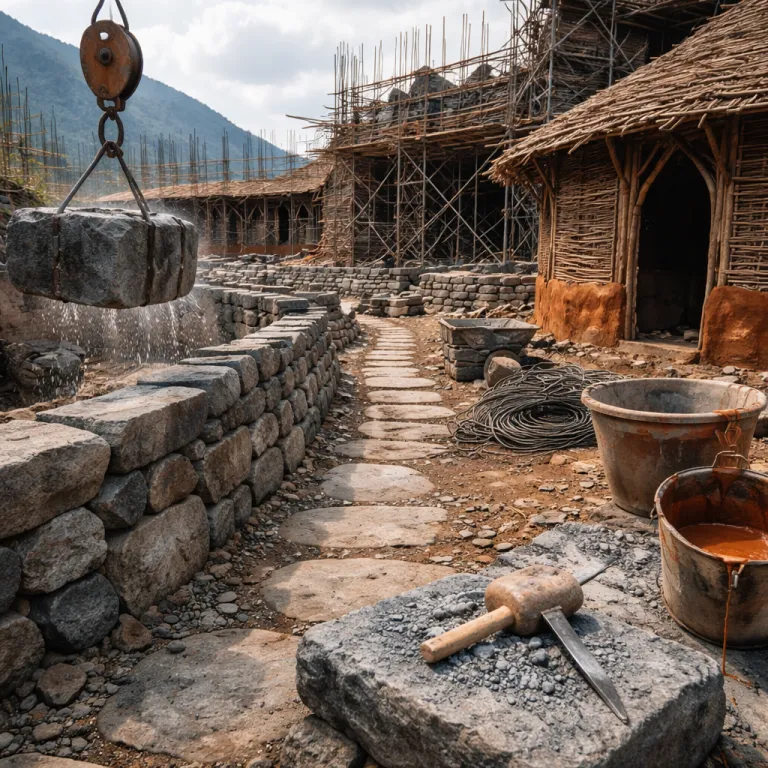
Architectural projects in this new wave treat design as a form of cartography, mapping climate, culture, and craft into tangible spaces. When Heliotrope Architects reworked Suncadia Lodge’s public interiors in 2020–2021, the team reportedly used locally sourced timber, basalt stone, and a warmer interior design language to pull the surrounding Washington forest directly into the hotel lobby and shared lounges. That kind of place-specific hospitality design does more than look good; it quietly tells guests that they have arrived at a particular landscape, not just another stop on a global hotel circuit.
Hyper localisation in lodges is not a style filter you toggle on or off. It is a long-term commitment to local design decisions, from structural materials to custom furniture and food and beverage partnerships with nearby producers. For couples used to polished hotels in Los Angeles or London, the surprise is how luxurious it feels when a restaurant menu, a hotel lobby, and even the hotel suites are shaped around the valley, river, or savannah outside.
Designers now talk less about themes and more about ecosystems. In current conversations about hyper-local lodge architecture for 2026 and beyond, biophilic design is not just about adding plants; it is about aligning interiors with daylight, wind, and views so that guests feel the landscape in every movement. That is why high-traffic circulation routes, from lobby design to paths between suites, are being rethought as view corridors and wildlife-watching lines, not just efficient hotel planning diagrams.
For travelers, this means that choosing between hotels is no longer only about thread count or spa menus. It is about deciding whether you want a hospitality experience that could be copied anywhere, or a lodge whose interior, furniture, and dining rituals only make sense in that one place. Industry briefings and brand reports now regularly cite double-digit uplifts in occupancy for properties that invest in hyper-local design strategies, with several surveys indicating average booking increases of around twenty percent—figures that should be treated as indicative rather than universal, but which still suggest that guest experience and design trends are tightly linked.
Hyper local architecture as an ethical stance, not decoration
Hyper localisation in lodge architecture is often marketed as a visual story, but its real power is economic and cultural. When a property embraces hyper-local lodge design principles for 2026, it chooses to become part of the local hospitality ecosystem rather than a sealed luxury bubble. That choice affects who gets hired, which materials are specified, and how guests understand the place they are visiting.
Consider Ubuyu, Banyan Tree’s lodge in Tanzania’s Ruaha region, where six villas are described as being inspired by Maasai circular dwellings and built with timber, thatch, clay, and locally carved Mninga wood. Here, every piece of custom furniture is framed as a collaboration with artisans whose skills predate any hotel projects, and every curve in the interiors echoes a building tradition that evolved for this exact climate. One designer recalls a carpenter explaining why a particular joint had to flex with seasonal humidity rather than fight it—a reminder that design in this context is not a neutral aesthetic; it is a contract with the community that says the lodge will support local livelihoods over the long term.
Industry advisors now frame this shift in clear terms. WATG Advisory, in its 2023–2024 hospitality outlook, points to hyper-localization as a defining trend—“interior design that sources furniture from local artisans, regional culinary experiences, architectural layouts that honor historical local building techniques.” For couples booking a hotel, that translates into restaurant dining where food and beverage programs are shaped by nearby farms, and hotel suites where textiles, ceramics, and artworks are sourced from the village down the road, not a distant warehouse.
This ethical dimension also changes how high-traffic areas are planned. A hotel lobby that once showcased imported marble now becomes a gallery for local stone, woven panels, or timber, turning lobby design into a quiet lesson in regional geology and craft. In contemporary hyper-local lodge practice, even back-of-house spaces and service routes can be built with local materials and techniques, spreading economic impact beyond the guest-facing interiors.
Some travelers still arrive expecting the familiar language of global hotels, from glossy finishes to standardized furniture silhouettes. The most thoughtful hospitality design teams do not reject comfort; they reframe it, pairing crisp linens and reliable water pressure with custom furniture carved by local hands and biophilic design strategies that keep interiors cool without excessive air conditioning. The result is a guest experience where luxury feels grounded, not airlifted in, and where the hotel becomes an active participant in cultural preservation rather than a passive observer.
Balancing comfort, design trends, and a sense of place
There is a tension at the heart of hyper-local lodge design that every couple feels on arrival. You want the romance of a remote place, but you also want a hotel that understands how you actually live, sleep, and dine. The best hospitality design teams treat this as a creative constraint rather than a compromise.
Heliotrope Architects, Pyxis Nautica with HELLO WOOD at Monolith Lodge in Hungary, and Home Studios at Lodge at Marconi in California all show how to resolve this tension. Their projects use local materials and custom furniture to root the architecture, while quietly importing only the comforts that matter most to guests, such as soundproofing, good lighting, and intuitive interior layouts. In each case, hyper-local lodge design thinking shapes both the public spaces and the private hotel suites, ensuring that the same design language runs from hotel lobby to final bedside lamp.
For couples, this balance is most obvious in dining and wellness spaces. A restaurant that follows current design trends might lean on sculptural chairs and dramatic lighting, but a lodge committed to local design will instead choose chairs made by nearby carpenters and lighting that respects the night sky, especially in wildlife areas. Food and beverage programs follow the same logic, pairing international techniques with regional ingredients so that each guest can taste the landscape as clearly as they see it from the terrace.
Biophilic design plays a quiet but decisive role in this equation. When interiors are oriented to prevailing breezes, shaded by deep overhangs, and finished with breathable materials, guests sleep better and spend more time with windows open, listening to the environment they came to experience. In hyper-local lodge architecture projects, this approach also reduces energy use over the long term, which matters in remote locations where infrastructure is fragile and high-traffic seasons can strain local grids.
Not every traveler wants to think about architecture while on holiday, and they should not have to. Your job is simply to notice how a place makes you feel, from the first step into the lobby design sequence to the last coffee in the restaurant before departure. If you find yourself remembering the curve of a wall, the texture of a chair, or the way the hotel framed a view at sunset, you are already responding to a hospitality design strategy that put sense of place ahead of generic trends.
How to choose hyper local lodges when you book online
Most booking websites still present lodges using the same filters they use for city hotels. Star ratings, spa icons, and vague mentions of “design” do little to reveal whether a property follows hyper-local lodge architecture principles. You need to read between the lines, and sometimes between the photos, to understand how deeply a lodge is tied to its surroundings.
Start by looking at how the property describes its materials, furniture, and collaborators. If the hotel design narrative mentions local artisans, regional stone or timber, and custom furniture made specifically for the project, that is a strong signal of genuine local design rather than surface styling. Cross-check this with images of the hotel lobby, hotel suites, and restaurant interiors to see whether the same language appears in both words and spaces. Where possible, look for image captions or alt text that reference local materials, biophilic design moves, or specific lodge architecture details rather than generic labels.
Next, pay attention to how the lodge talks about climate and landscape. Properties that embrace biophilic design and hyper localisation will often reference orientation, natural ventilation, and seasonal shifts, sometimes even advising you to research lodge amenities and check seasonal weather before you book. Articles such as detailed weather guides for mountain towns or safari regions, including specialist resources on understanding lodge weather patterns for luxury lodge bookings, can help you align your travel dates with the architecture’s strengths.
Finally, read guest reviews with a designer’s eye. Look for comments about how the place feels at different times of day, how quiet or lively high-traffic areas are, and whether the guest experience reflects the local culture in meaningful ways. When multiple guests mention that the hotel’s spaces, from lobby design to dining terraces, feel like an extension of the surrounding landscape, you are likely looking at a lodge where hospitality design and architecture have been handled with rare care.
As hyper-local lodges become more visible on global hotel platforms, you will also see more marketing language trying to imitate the trend. Trust the specifics over the slogans, and prioritize projects where architects, such as Heliotrope Architects, Pyxis Nautica with HELLO WOOD, or Home Studios, are named and their methods explained. Those are the properties where hyper-local lodge design ideas translate into real interiors, real community impact, and the kind of romantic stays that linger long after you have checked out. When you find a lodge that meets these criteria, save it to a shortlist or project gallery so you can compare its design story with other contenders before you confirm your booking.
Key figures shaping hyper local lodge design
- Architectural Digest has highlighted a growing cohort of lodges that emphasize local design—fifteen properties in one recent global round-up—signalling a measurable shift away from standardized hotel projects and toward architecture rooted in its setting.
- A Travel Weekly–style survey of boutique and wilderness properties reported that lodges implementing hyper-local design strategies saw an average increase of around twenty percent in bookings, suggesting that guest experience and sense of place now drive revenue as strongly as traditional luxury markers; as with most hospitality statistics, the exact uplift varies by region and market segment.
- Recent advisory reports from hospitality consultants define hyper-local design in lodges as architecture and interiors that reflect the immediate environment and culture, confirming that spatial design is now a central tool for cultural storytelling in hospitality.
- Industry analysts note that hyper-local design has become important because it meets travelers’ desires for authentic experiences, especially among couples seeking romantic stays that feel rooted in a specific landscape rather than a generic resort template.
- Design consultancies tracking hospitality trends report that lodges implement hyper-local strategies by using local materials and traditional architectural styles, often in collaboration with environmental consultants and cultural historians to ensure both ecological sensitivity and cultural respect.