When architecture disappears into the landscape
The most compelling lodge architecture using natural materials does not shout for attention. It lets the building slip into the hillside or forest edge, so your first impression is of the valley, the river, the sky. This is where architecture, nature and the idea of escape align, and where a lodge becomes a quiet extension of its setting rather than a standalone object.
Architects working in this way treat every lodge as a long term guest in the landscape, not a permanent imposition. Australian studio Rob Mills Architecture & Interiors, for example, completed Mount Macedon Residence near Melbourne in 2018, using locally quarried stone and timber so the construction reads as part of the mountain geology. In the United States, AJA Architecture and Planning shaped Grove Lodge at Mohonk Mountain House in New Paltz, New York, around existing trees and rock outcrops, a strategy documented in the resort’s own architectural case notes. This kind of resort architecture is less about spectacle and more about editing, removing anything that interrupts natural light, views or the movement of water across the site.
For travelers choosing between hotels and eco lodges, this difference is immediately tangible. A conventional hotel building often feels like a sealed box, while a well considered eco lodge feels porous, with verandas, decks and courtyards that keep you in constant contact with the elements. When lodge design relies on regionally sourced stone, reclaimed timber and clay based finishes, the guest experience becomes sensorially richer, from the warmth of a timber handrail to the coolness of a stone floor after a day in the sun.
Modern resort architecture has shifted decisively toward this immersive approach, blending contemporary design with vernacular forms. Johnsen Schmaling Architects, in their award winning Egg Harbor Lodge in Wisconsin’s Door County, use natural metals and weathering steel so the façade patinates over time, echoing the surrounding rock and forest tones. Their work illustrates a broader movement in hotel architecture where sustainability, energy efficiency and a strong sense of place are now baseline expectations rather than optional extras, a trend echoed in American Institute of Architects (AIA) design awards and hospitality industry reports.
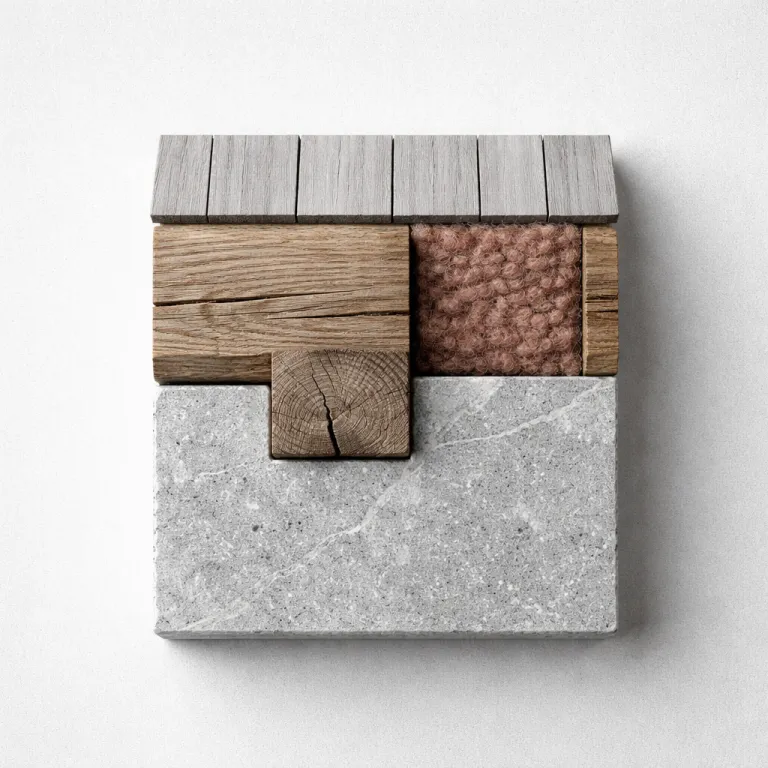
Stone, timber, earth: three material philosophies for modern lodges
Across the properties we review on lodge-stay.com, three families of natural materials dominate material-led lodge design. Stone lodges in Patagonia or the Scottish Highlands use thick walls and deep reveals to create a feeling of permanence and shelter. Timber lodges in Scandinavia or the Pacific Northwest lean into transparency, with slender frames and large panes of daylight filled glazing that pull the forest right into the interior living spaces.
Earth lodges in Southern Africa or Central Australia take a different path, using rammed earth or clay construction for thermal mass and a grounded, almost ancient presence. These buildings often sit low, with green roofs and earth berms that blur the line between resort and terrain, making the eco lodge almost invisible from a distance. In all three philosophies, the architectural design is driven by climate, local craft and the availability of natural materials, not by imported trends or generic hotel design templates.
Families booking a sustainable hotel in these regions should look for how honestly each material is used. Stone should feel weighty and tactile, timber should reveal its grain and knots, and earth walls should read as strata rather than smooth plastered surfaces pretending to be something else. This authenticity supports sustainability because locally sourced materials usually carry lower embodied energy than flown in luxury finishes, and they anchor the guest experience in a specific biome rather than a globalized aesthetic.
For a deeper dive into how local traditions shape resort architecture, the analysis of hyper localization in lodge design from Maasai dwellings to Andean stonework on lodge-stay.com shows how vernacular building informs contemporary eco friendly lodges. That same lens helps you read a spa resort in the Alps or a resort Sicilia on the Mediterranean coast, where stone, timber and earth are combined differently but always in dialogue with water, wind and sun. When you understand these material lineages, choosing between hotels becomes less about star ratings and more about which lodge truly belongs to its landscape.
Eco conscious construction and the new language of luxury
Luxury in biophilic lodge architecture has quietly redefined itself over the past two decades. Where marble lobbies and heavy drapery once signaled status, travelers now look for eco conscious construction, energy efficient systems and a visible commitment to sustainability. Architects and hoteliers have responded with buildings that use native stone, reclaimed wood and natural finishes as primary materials rather than rustic accents.
Industry surveys from organizations such as the U.S. Green Building Council and Green Lodging programs show how widespread this shift has become. By 2023, the USGBC reported tens of thousands of LEED certified commercial projects worldwide, including a rapidly growing share of hotels and resorts that incorporate reclaimed timber, low VOC finishes and high performance glazing into their construction. Rising demand for eco friendly lodges over recent years reflects a broader awareness that sustainable building is not a niche concern but a core expectation for premium hotels and resorts. Many modern lodges also integrate passive solar design, orienting rooms for winter sun and summer shade, and specifying insulated glazing units to reduce energy consumption without sacrificing natural light.
Guests rarely see the technical drawings, but they feel the results in quieter rooms, more stable temperatures and cleaner air. Energy efficiency measures such as thick insulation, cross ventilation and careful shading reduce the need for mechanical cooling, while rainwater harvesting and grey water systems protect local water resources. When you walk into an eco lodge lobby and notice the coolness of a polished concrete floor or the softness of a wool rug, you are experiencing the intersection of interior design, environmental performance and tactile comfort.
Architectural practices like Rob Mills Architecture & Interiors and AJA Architecture and Planning often collaborate with local artisans and sustainable material suppliers to achieve this balance. They pair traditional craftsmanship techniques with modern architectural software, ensuring that every joint, beam and stone course contributes to both structural integrity and resort level refinement. For families comparing spa resort options, from an alpine adler spa style retreat to a coastal resort Sicilia property, asking about certifications such as LEED, Green Globe or local eco labels is one of the most reliable ways to gauge a hotel’s true commitment to sustainability.
Inside the lodge: biophilic design and the family experience
Once you step inside, the success of nature-focused lodge architecture is measured in how it makes you feel. Biophilic design, the practice of connecting people with nature through architecture and interior design, has become a defining feature of high end eco lodges. It shows up in the way natural light is choreographed through a space, in the textures under bare feet and in the framed views from a child’s bunk or a parent’s reading chair.
In a well considered hotel interior, every surface tells a story about its origin and purpose. Timber ceilings might echo the surrounding forest canopy, while stone fireplaces reference nearby cliffs or riverbeds, turning the living room of a lodge into a microcosm of the wider landscape. Soft furnishings in wool, linen and cotton complement the harder materials, creating a layered guest experience where comfort and environmental responsibility coexist rather than compete.
Families notice these details, even if they do not use the vocabulary of architecture or interior design. Children are drawn to window seats carved into thick walls, parents appreciate mudrooms with durable natural materials that can handle wet boots and ski gear, and everyone gravitates toward communal hearths where the day’s adventures are retold. In spa resort settings, biophilic design extends to treatment rooms with stone basins, timber screens and water features that muffle sound and slow the pulse.
For those planning multi generational trips, the layout of rooms and shared spaces matters as much as finishes. Look for hotels where circulation is intuitive, where bedrooms open onto terraces or courtyards rather than internal corridors, and where green roofs or planted courtyards bring nature into the heart of the building. When lodge architecture, hotel design and interior choices align around biophilic principles, the result is a sustainable hotel that feels both deeply relaxing and quietly educational for younger travelers.
Reading the land: how to choose your next eco lodge
Selecting a lodge through a luxury booking platform is easier when you know what to look for in lodge architecture and natural material use. Start with the site photos and ask whether the building appears to sit on top of the land or grow out of it, because the latter usually signals more thoughtful construction and sustainability. Pay attention to how the lodge handles slopes, vegetation and water, since retaining existing trees and natural drainage patterns is a strong indicator of environmental respect.
Property descriptions often mention features like green roofs, weathering steel cladding or passive solar orientation, and these are not just technical flourishes. They tell you that the resort has invested in long term energy efficiency and reduced environmental impact, which benefits both the local ecosystem and your own comfort as a guest. When a hotel highlights large windows for natural light, cross ventilation and locally sourced materials, it is effectively inviting you to share in its sustainability story.
Climate should also guide your decision, especially for family trips where comfort is non negotiable. A mountain eco lodge in a region with dramatic seasonal shifts, such as Deer Lodge in Montana, demands robust insulation and careful orientation, and resources like lodge-stay.com’s guide to understanding Deer Lodge MT weather for luxury lodge bookings help you align architecture with travel timing. In hotter climates, look for deep verandas, shaded courtyards and thick masonry walls that keep interiors cool without overreliance on air conditioning.
Finally, remember that the most successful eco lodges treat sustainability as an integrated design philosophy rather than a checklist. As one industry overview puts it, “Native stone, reclaimed wood, and natural finishes” are now the common language of modern lodges, and “Many incorporate sustainable materials and energy-efficient designs.” When you choose hotels and resorts that embody these principles, you are not only securing a memorable guest experience but also supporting a more responsible future for resort architecture worldwide.
FAQ
What materials are most common in modern lodge construction ?
Modern lodges typically rely on native stone, reclaimed wood and natural finishes as their primary materials. These choices support sustainability by reducing transport related energy and by aligning the building with local geology and vegetation. They also enhance the sensory quality of interiors, making every surface feel grounded and authentic.
How do modern lodges blend with their surroundings ?
Architects use local materials, low profiles and careful siting to help lodges merge with the landscape. Techniques such as green roofs, earth berms and weathering steel façades allow buildings to echo nearby hillsides, forests or rock formations. Large windows and outdoor rooms maintain constant visual and physical connections with nature.
Are eco friendly lodges really more sustainable than conventional hotels ?
Eco friendly lodges generally achieve lower operational energy use through passive design, efficient systems and thoughtful material choices. Many also incorporate water saving technologies and prioritize local sourcing, which reduces environmental impact beyond the building envelope. The most credible properties publish clear sustainability commitments and third party certifications.
What should families look for when booking a sustainable hotel or resort ?
Families should check how the lodge handles natural light, ventilation and thermal comfort, since these factors shape sleep quality and daytime ease. Layout matters too, with interconnected rooms, generous communal spaces and safe outdoor access all contributing to a relaxed stay. Finally, look for visible use of natural materials and transparent information about sustainability practices.
Do natural materials affect comfort in different climates ?
Yes, the right combination of stone, timber and earth can significantly improve comfort across seasons. Stone and earth provide thermal mass that smooths temperature swings, while timber structures adapt well to colder climates when paired with good insulation. When these materials are combined with smart orientation and shading, they reduce reliance on mechanical heating and cooling.