Walking safaris in Africa: how on-foot adventures are redefining luxury travel
Why walking safaris are reshaping luxury travel in Africa
Step out of the vehicle and the entire safari changes. A true walking safari experience guide in Africa starts the moment your boots touch the dust and the bush noise replaces the engine, turning every walk into a deliberate act of attention. On foot, you stop chasing big game headlines and start reading the quieter details written into tracks, dung and wind direction.
Across Africa, experienced travelers now seek safaris that prioritise walking over constant game drives. A 2023 SafariBookings trend report, for example, noted rising demand for small-group, on-foot experiences in Zambia and Zimbabwe, especially among repeat visitors (SafariBookings, 2023). This shift reflects a broader travel trend toward immersive, sustainable wildlife encounters that support national parks and local communities while reducing vehicle pressure on fragile terrain. Tour operators, conservation organisations and local guides report that walking safaris attract guests who value depth of experience over a checklist of sightings.
Luxury lodges and tented camp operators in Zambia, South Africa and Zimbabwe have responded with carefully curated safari walking itineraries. These itineraries often blend classic game drives with guided walks, allowing guests to compare the perspectives of vehicle and foot in a single stay. For many, the most memorable safari experience now comes from a quiet walk between camp and riverbank, not from a crowded sighting on a busy track.
Walking safaris are also driving innovation in how high end camps operate. Smaller group sizes, capped at around six guests, mean more personalised guiding and a calmer bush atmosphere. After a long day on foot, the contrast between dusty boots and hot showers, shaded decks and well-designed rooms becomes part of the reward, with lodge teams fine-tuning everything from laundry turnaround to massage times around the rhythm of walking.
The sensory shift: what changes when you leave the Land Cruiser
From a vehicle, wildlife is a moving picture framed by windows and metal. On a walking safari, the same national park becomes a three dimensional classroom where every sound, scent and texture carries meaning for your guide. You notice how the bush falls silent when a predator moves, how the wind direction dictates your route and how even insect noise signals the presence of big game nearby, flattening the hierarchy so that a line of ants or a dust bath can feel as compelling as a lion sighting.
Walking guides are trained to interpret these subtle details at a level that most vehicle based safaris never reach. In South Africa, for instance, lead trails guides in the Greater Kruger must complete FGASA (Field Guides Association of Southern Africa) qualifications, log hundreds of hours on foot and pass advanced rifle competency assessments (FGASA, 2024). In Zambia’s South Luangwa, professional walking guides typically apprentice for several seasons under senior guides before leading guests. That extra training shows in the way experienced guides position you in the landscape, using termite mounds, dry riverbeds and thickets to manage both risk and viewing angles.
Risk management on walking safaris is precise rather than theatrical. A rifle carrier walks at the front, a second guide often closes the line and minimum age requirements, usually around sixteen years, keep the group focused and responsive. Fitness matters too, because even gentle walking in the heat of the dry season over uneven ground in a national park demands steady legs and good hydration.
For solo explorers booking a luxury camp, this is where guide quality eclipses thread count. Before confirming a safari in Zambia or South Africa, read lodge reviews that mention walking safaris specifically and ask how many years the walking guides have worked in that particular park. Many senior trackers quietly note that their ideal guest is curious, calm and willing to follow instructions without argument, because that attitude keeps both people and wildlife relaxed on foot.
Where to walk: South Luangwa, Mana Pools, Ruaha and beyond
Some landscapes are simply built for walking safaris. South Luangwa in Zambia is widely regarded as the spiritual home of the walking safari tradition, where Norman Carr pioneered the idea of tracking big game on foot from simple bush camps. Today, a new generation of camps in this national park offers refined comfort while keeping the focus firmly on the walk rather than the wine list.
In South Luangwa, safari Zambia specialists design itineraries that combine riverside tented camp stays with multi day walking routes between seasonal bush camps. Safaris in Zambia often highlight the Luangwa’s oxbow lagoons, ebony groves and open floodplains, which allow walking guides to spot wildlife at a safe distance while still delivering that visceral feeling of sharing the same ground as elephants and lion. Operators associated with the Robin Pope guiding tradition remain benchmarks for serious walkers who want experienced guides and minimal vehicle time, and camps such as Tena Tena and Nkwali are frequently cited as strong examples in this region (Robin Pope Safaris, 2024).
Mana Pools in Zimbabwe offers a different but equally compelling walking safari experience. Here, guests often approach big game such as elephants and buffalo on foot along the Zambezi floodplain, with ancient trees providing both shade and natural cover. The park’s relaxed wildlife and open sightlines make it one of the best places in Africa for close yet controlled encounters during the long dry season, with specialist operators like John Stevens Guided Safaris Africa often referenced for their on-foot expertise (John Stevens Guided Safaris Africa, 2024).
Further south, South Africa’s Kruger region and private reserves, along with Nyerere National Park and Ruaha National Park in Tanzania, offer strong options for safari walking combined with classic game drives. Each park has its own best time for walking, usually when grass is shorter and visibility higher, so planning around seasonal patterns matters as much as choosing the right camp. A simple three night micro-itinerary might include an arrival afternoon walk near camp, two full days of morning and late-afternoon trails, then a final sunrise walk before a game drive transfer out, giving you both perspectives in one trip.
How walking changes wildlife encounters and lodge life
On a vehicle safari, big game often dominates the narrative. When you shift to a walking safari, the hierarchy of wildlife flattens and suddenly a fresh track, a bird alarm call or a dust bath tells as rich a story as a lion sighting. You start to understand how every walk through the bush is a negotiation between your guide, the wind and the unseen animals around you, with the slower pace revealing how termites, dung beetles, birds and plants knit the ecosystem together.
Elephants at eye level feel very different when you are on foot. Walking safaris in places like South Luangwa, Mana Pools or Ruaha National Park often bring you within respectful distance of these giants, with your guide reading ear flicks, trunk position and body language long before you notice anything. The aim is not adrenaline but a controlled safari experience where you feel the scale of big game without ever crossing the line into risk.
Back in camp, lodge life subtly reorients around the walk. Breakfast times shift earlier to catch the cool hours, lunches become lighter to keep you comfortable on foot and evenings stretch out around the fire as guests trade walk details rather than vehicle based reviews. Luxury here is not only about a polished tented camp but about how well the team calibrates every detail of your stay to the rhythm of walking safaris.
Designing a multi day walking safari for experienced travelers
For many seasoned safari goers, the ultimate expression of this travel style is a multi day walking itinerary. These journeys move from camp to camp, often between simple bush camps or lightweight tented camp setups supported by a mobile team that handles logistics while you focus on the trail. Distances are usually modest, but the cumulative experience of several days on foot in a national park is profound.
Planning such a safari in Zambia, South Africa or Tanzania requires clear conversations with your tour operator. Ask for precise details on daily walking distances, terrain, expected temperatures in the dry season and how often, if at all, game drives will be used to reposition between areas. Clarify how many guests will share your walking safaris, as group sizes capped at six preserve both safety and the quiet atmosphere that makes a walking safari experience guide in Africa feel truly intimate.
Fitness and safety considerations should be addressed honestly. Operators typically require guests to be comfortable walking several kilometres on uneven ground, and some routes in parks like Ruaha National Park or Nyerere National Park may involve short, steep sections or sandy riverbeds. Age limits, usually set around sixteen years, reflect the need for quick reactions and consistent attention to guide instructions during close encounters with wildlife.
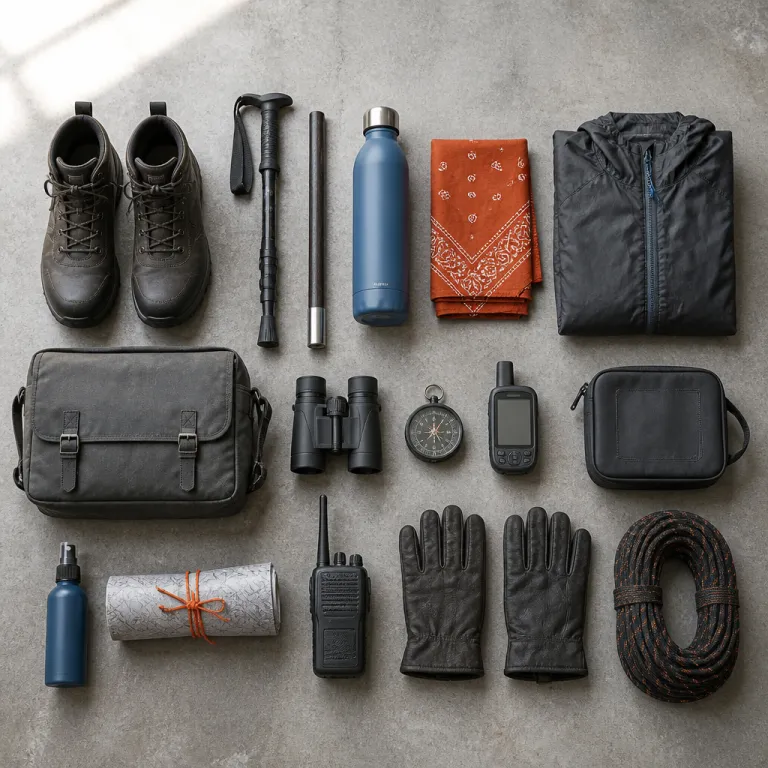
Technology now plays a subtle supporting role in these safaris. Guides may carry GPS devices and detailed maps, but the guest facing experience remains resolutely analogue, focused on the feel of the ground underfoot and the sound of the bush settling at dusk. A practical packing list includes comfortable clothing, sturdy shoes, water and sun protection, plus a wide-brimmed hat, neutral-coloured layers, blister plasters, a refillable water bottle, light gloves for cold mornings and a small dry bag for cameras or phones.
FAQ
What is the main difference between a walking safari and a vehicle safari ?
A walking safari takes place entirely on foot, with a professional guide leading small groups through wildlife areas, while a vehicle safari relies on 4x4s to cover longer distances. On foot, you focus more on tracks, behaviour and landscape details than on ticking off big game sightings. Many travelers now combine both styles in one trip to compare perspectives.
Are walking safaris suitable for first time visitors to Africa ?
Walking safaris are generally better suited to travelers who have already experienced at least one vehicle based safari. The pace is slower, the focus more interpretive and the physical demands higher than sitting in a vehicle. First timers can still join short walks from camp, then build toward multi day walking safaris on future trips.
How fit do I need to be for a multi day walking safari ?
You should be comfortable walking several kilometres a day on uneven ground in warm conditions. Most itineraries in places like South Luangwa or Mana Pools are designed for guests with moderate fitness rather than athletes, but you will be on your feet for several hours. If you have concerns, discuss them with your tour operator so they can match you with the right route and camp.
When is the best time of year for walking safaris in Africa ?
The best time for walking safaris in most African parks is the dry season, when grass is shorter, visibility is better and wildlife concentrates around remaining water sources. In South Luangwa, Mana Pools, Ruaha National Park and Nyerere National Park, this usually means the cooler, drier months outside the heavy rains. Exact timing varies by region, so always ask your operator about local conditions.
How do I choose a lodge or camp that takes walking seriously ?
Look for lodges that highlight walking safaris as a core activity rather than a side option. Read independent reviews that mention walking guides by name, ask about guide qualifications and confirm typical group sizes on foot, aiming for a maximum of six guests. Camps with a long history in areas like South Luangwa or Mana Pools often have the deepest walking culture and the most experienced guides.