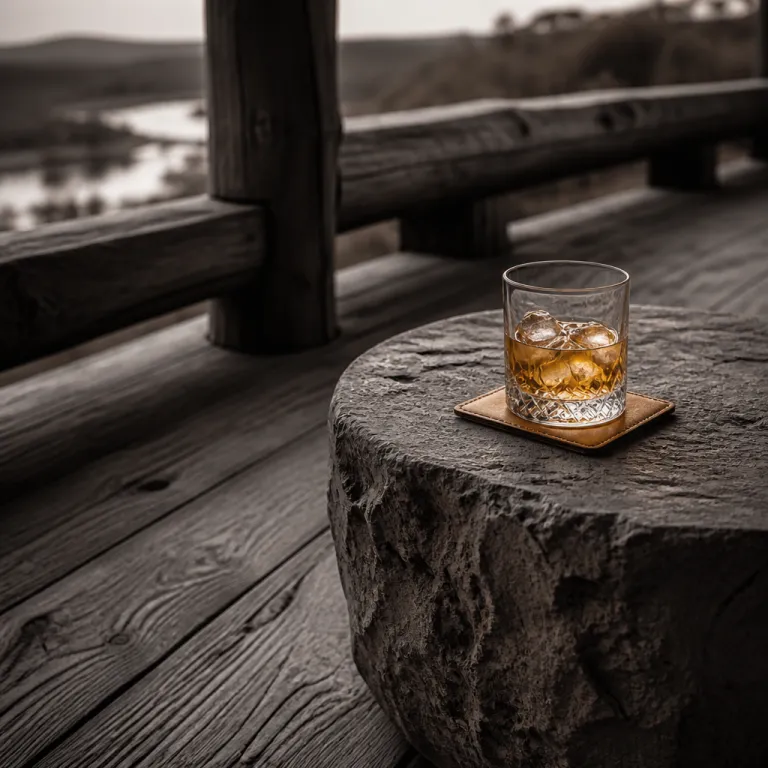
The sundowner safari lodge ritual experience explained
The sundowner ritual at a safari lodge is the quiet hinge between day and night. An African safari often builds towards this moment, when the last game drive pauses and the bush exhales. Over roughly one to two hours, as the sun sets and the light softens, guests shift from pursuit of wildlife to appreciation of stillness.
At its core, a sundowner is an evening ceremony of drinks at sunset, yet the best lodges treat it as a cultural bridge rather than a bar on wheels. One verified definition captures it clearly; “An evening tradition of enjoying drinks at sunset.” That simple line understates how the right sundowner experience can become the most vivid memory of an entire African safari, especially for couples seeking intimacy in wide open Africa.
Across African safaris in Kenya, southern Africa and the Okavango Delta, the pattern repeats with subtle variations. Lodge guides time the last stretch of the safari so that the vehicle crests a ridge or reaches a riverbank just as the sun sets and the sky cools from gold to indigo. The twilight ritual then unfolds as staff lay out drinks, guests step down onto warm rocks, and conversation replaces the earlier radio chatter about wildlife sightings.
Luxury lodges treat this as a daily lodge ceremony, not an optional extra tagged onto tours. The best safari guide teams scout sundowner spots as carefully as they plan full day safari experiences, checking wind direction, animal movements and the angle of the setting sun. At camps such as Angama Mara in Kenya or Little Vumbura in the Okavango, guides even keep informal logs of favourite viewpoints and backup locations for windy days. As one senior guide at Angama Mara notes in lodge materials, the aim is to “arrive when the sky is doing something beautiful, not when the drinks are already warm.” For couples on a Kenya safari or a longer Kenya–Tanzania circuit, these repeated sunset pauses create a rhythm: game drives, shared silence, then the soft clink of ice in a gin and tonic as darkness gathers.
The sensory shift when the sun sets on safari
Golden hour on an African safari is not only about photographs; it is about the way the entire landscape changes tempo. Heat bleeds from the rocks, the air loses its midday weight, and the sweat on your back cools as a faint breeze moves through the grass. Wildlife behaviour shifts too, as diurnal animals settle and nocturnal species edge closer from the shadows.
On a well run luxury safari, guides plan the sundowner ritual around this sensory pivot. Engines cut, radios fall silent, and the first sounds you notice are not ice tongs but francolins calling, distant hyenas and the soft clatter of insects. This is when the best lodges lean into restraint: a simple gin and tonic, a few carefully chosen snacks, and enough space between guests so that Africa itself remains the main conversation.
The sensory contrast is even sharper in southern Africa, where dry season dust hangs in the air and the sun sets in a thick orange band. In the Okavango Delta, an evening drink stop might happen on a sandbank, with water lapping at your feet and mokoro canoes pulled up nearby. In Kenya’s Maasai Mara, a Kenya safari often ends the day on an open plain or low kopje, where the last light brushes the backs of grazing wildlife and the sundowner experience feels like a private theatre.
Couples who understand this sensory choreography tend to get more from their safari experiences. They arrive a little earlier at the sundowner spot, choose a seat that faces both the horizon and the approaching darkness, and let the silence stretch before the first toast. For deeper context on why this quiet matters so much to lodge life, read the analysis on why the best lodge stays begin with silence, which aligns closely with the ethos of a thoughtful safari experience at dusk.
How lodges curate the sundowner ritual
Behind every effortless sundowner safari lodge ritual experience sits a small team of lodge staff and guides. Preparation begins well before the game drive leaves, with bar setups checked, glassware polished and coolers packed so that drinks arrive perfectly chilled despite the African heat. The typical duration of a sundowner stop is long enough for the light to fade and for guests to relax into unhurried conversation, often spanning the last daylight and the first stars.
Luxury lodges in Africa now treat sundowners as a signature of their brand, as important as room design or spa menus. Some properties in South Africa and Kenya favour understatement: a fold out table, a few lanterns, and a short list of classics like gin and tonic, whisky and crisp white wine. Others turn the sundowner experience into a more elaborate lodge ceremony, with canapés, full bar selections and even live music when the setting allows. At certain Botswana camps, for example, sample menus might include biltong, marinated olives, mini samosas and freshly baked cheese straws alongside regional gins and tonics.
Thoughtful properties also weave in cultural elements without turning the moment into a performance. In some regions, a guide might explain the meaning of a local sweat-bath or sauna tradition while guests warm their hands over a small fire, clearly distinguishing these practices from Indigenous North American sweat-lodge ceremonies, which are specific to those cultures and not replicated on African safaris. Elsewhere, staff share stories about how local communities read the sky at the end of the day, or how traditional tours once followed wildlife migration routes long before modern African safaris existed.
For couples who value cultural immersion as much as wildlife, it is worth seeking lodges that collaborate with nearby communities and artisans. In Kenya’s Laikipia region, for example, some camps invite local elders to join occasional sundowners to talk about seasonal grazing patterns and star lore. The same principles apply across an African safari: respect for place, careful storytelling, and a sundowner experience that feels rooted rather than staged.
From sweat lodge to sleepout deck: evolving rituals between day and night
Not every lodge limits its twilight ritual to a drink as the sun sets. In some parts of North America, Indigenous sweat-lodge traditions offer a different kind of transition between day and night, using heat, steam and ceremony to mark a psychological reset. These practices are sacred, community led and specific to the cultures that created them. While distinct from an African safari sundowner and not reproduced in that context, the underlying idea is similar: a deliberate pause that separates the exertions of the day from the reflective calm of evening.
Forward thinking African lodges borrow the spirit of that intentional transition without copying its form. A few properties on popular Kenya–Tanzania circuits now pair the sundowner safari lodge ritual experience with open air sleepout decks, where couples can stay after the last drink and watch the stars rise over Africa. In southern Africa, elevated platforms in private reserves and near national park boundaries allow guests to extend their safari experiences into the night, listening as wildlife moves below while the earlier sweat and dust of the day cools on their skin.
The Okavango Delta has become a testing ground for these extended sundowner experiences. Guests might begin with a classic safari sundowner on a small island, then walk a short distance to a raised deck where beds are turned down under mosquito nets and lanterns. The ceremony is subtle rather than theatrical: guides withdraw, the bush takes over, and the line between luxury safari comfort and raw African night blurs in a way that feels both safe and thrilling.
For couples choosing between traditional luxury safaris and these more immersive options, the key question is how much they want to feel the passage of time. A standard African safari offers structured game drives, predictable meal times and a familiar lodge rhythm. Adding a sleepout or reflection-focused evening ritual deepens the sundowner experience, turning a pleasant pause into a layered sequence of moments that connect body, landscape and memory.
Practical etiquette for couples booking a sundowner focused lodge stay
Choosing a lodge for its sundowner safari lodge ritual experience is a valid strategy, especially for couples who value atmosphere as much as wildlife checklists. When comparing properties across Africa, look beyond generic promises of “sunset drinks” and ask how guides select locations, how many vehicles share a spot, and whether the lodge favours quiet or a more social scene. In many private reserves, two to three vehicles might share a viewpoint, while some high-end camps guarantee exclusive sites for each party. A lodge that treats sundowners as a core part of its safari experience will have clear answers rather than vague marketing language.
Once on safari, a few etiquette points help you get the best from these twilight ceremonies. Arrive early when the vehicle stops, so you can choose a vantage point that frames both the horizon and any nearby wildlife without blocking others. Dress for the temperature drop; the sweat of the afternoon game drive cools quickly once the sun sets, especially in open vehicles or on exposed rocks where even luxury safari blankets may not fully compensate.
Silence is the most underrated luxury at a safari sundowner. Experienced guests keep voices low, avoid loud music on personal devices, and let guides set the tone for conversation, whether in Kenya, South Africa or southern Africa more broadly. Safety protocols also matter: follow your guide’s instructions about where to stand, avoid wandering away from the vehicle, and keep food and drinks on the table rather than in your hands if wildlife approaches. If you want a more private sundowner experience for a special day, such as an anniversary, speak with the safari guide team early; many lodges can arrange a separate spot or a more intimate lodge ceremony away from the main group.
Finally, remember that sundowners and sunrise coffee stops are two sides of the same ritual. The first marks the end of the day, the second frames the beginning of new safari experiences, often in the chill before the sun fully rises over Africa. Treat both as bookends to your African safari, and you will find that the most enduring memories of your luxury safaris are not only the wildlife sightings but the quiet, human scaled moments when time itself seems to pause between light and dark.
FAQ
What is a sundowner ritual at a lodge ?
A sundowner ritual at a lodge is an organised pause at sunset, usually during or after an afternoon safari drive, where guests gather at a scenic spot for drinks and light snacks. The focus is on relaxation, socialisation and appreciation of the landscape as the sun sets. It typically lasts long enough for the sky to change colour and for guests to unwind, and is guided by lodge staff who manage safety, timing and the overall atmosphere.
Why are sundowners so popular on African safaris ?
Sundowners are popular on African safaris because they mark the transition between the active game viewing day and the calmer evening in camp. Guests can reflect on wildlife sightings, enjoy a gin and tonic or non alcoholic drink, and watch how the bush changes as light fades and nocturnal animals emerge. For many travellers, this combination of scenery, ceremony and shared experience becomes the emotional highlight of their trip.
What drinks are usually served during a safari sundowner ?
Typical safari sundowner drinks include classic cocktails such as gin and tonic, whisky with ice, chilled white or sparkling wine and local beers. Quality lodges also offer non alcoholic options like homemade cordials, fresh juices and flavoured waters so that every guest can participate in the ritual. Increasingly, properties incorporate local ingredients and regional spirits to give the sundowner experience a stronger sense of place.
How should I dress and prepare for a sundowner on safari ?
For a sundowner on safari, dress in layers with neutral colours, as temperatures often drop quickly once the sun sets. Closed shoes are advisable because you may step onto uneven ground or rocks, and a light jacket or shawl helps when the breeze picks up. Bringing a camera, binoculars and, if allowed, a small torch will help you enjoy both the last light and the early signs of nocturnal wildlife activity.
Can I request a private sundowner for a special occasion ?
Many luxury lodges in Kenya, South Africa and other parts of Africa can arrange private sundowners for occasions such as anniversaries, proposals or milestone birthdays. These often take place at a separate viewpoint with a dedicated safari guide and a more personalised bar setup. It is best to request this when booking or early in your stay so the lodge team can plan logistics and ensure both safety and seclusion.