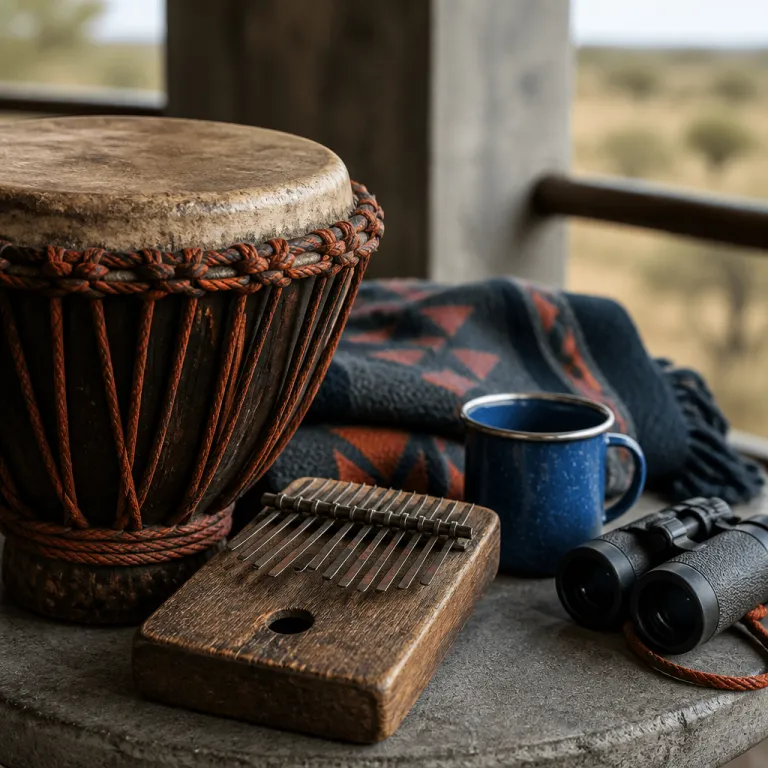
The golden hour: from game drive to grand cultural experience
The most memorable lodge cultural programs and evening activities begin the moment the game vehicle rolls back into camp. In the best safari lodges across Africa and the United States, that quiet window between the last lion sighting and the first dinner bell becomes a carefully curated bridge into local culture and daily life. Guests step from the dust of the national park into outdoor spaces where firelight, live music and the scent of woodsmoke create a grand yet intimate stage for authentic encounters.
Research from organizations such as the World Travel & Tourism Council and regional tourism boards indicates that a clear majority of lodges offering cultural programs now schedule evening activities that highlight local culture in ways that feel both relaxed and intentional. These experiences often start as a gentle activity near the main content hub of the lodge, perhaps a storytelling circle beside the boma or a short walk with a guide skilled at explaining how wildlife, community and land management intersect. For families booking a hotel style lodge stay, this rhythm matters because it turns a simple bed for the night into a layered experience that children remember long after the wildlife checklist fades.
Not all safari lodges offer cultural programs, and availability of these activities varies by lodge. That is why a premium booking website should flag which properties run daily cultural events, which evenings the programming takes place and whether sessions are included or paid. When you compare options, look beyond the room photos and ask how the lodge uses its outdoor spaces, its firepits and its social architecture to host activities best suited to your family’s curiosity.
Fire, circle, and song: how evening activities shape social life
Walk into a well run boma just after dark and you feel immediately how design, fire and sound create community. The circular layout pulls guests inward, while the central flames frame the night sky and the silhouettes of dancers, storytellers and musicians from nearby villages. This is where lodge-based cultural evenings move from scheduled events to shared experiences, helped along by food and beverage rituals that are as considered as any game drive.
Traditional dance performances, oral storytelling and live music sessions usually form the backbone of these programs, with local cultural groups invited as equal partners rather than background entertainment. A regional tourism board summary of lodge-based cultural evenings in southern Africa describes the core elements as “traditional dances, music, storytelling, and crafts.” Families sit together as community members explain the meaning of each song, how rhythms echo daily life in the village and why certain stories are only told once the children have eaten and the bush has settled.
At the best properties, this live entertainment is not a loud spectacle but a social activity that respects both privacy and participation. Guests can sit closer to the music for a more immersive experience or choose quieter corners of the park facing deck if they prefer to watch the night sky and listen from a distance. For a deeper look at how this twilight window works, read lodge-stay.com’s guide to the sundowner ritual and the lodge moments between day and night, then ask how each lodge you consider uses that same hour to connect guests and community.
Workshops, wellness, and craft: hands-on cultural immersion for all ages
As cultural tourism matures, evening programs are shifting from passive shows to participatory workshops that invite guests to create something with their own hands. Many safari lodges now host short jewelry making sessions led by local artisans, where families sit together under lanterns threading beads while listening to stories about clan symbols and regional trade routes. These activities turn the lodge’s cultural offerings after dark into a tactile experience, especially for children who absorb culture more easily through activity than through lectures.
Properties inspired by initiatives such as Banyan Tree’s Gallery model integrate artisan sales and craft workshops directly into their daily programming, so that the economic benefit flows clearly back to the community. Banyan Tree’s own reports describe how curated retail spaces and on-site demonstrations help sustain traditional skills while giving guests meaningful souvenirs. A well designed program might pair a late afternoon wellness session, such as a gentle stretching class on a deck overlooking the national park, with an early evening craft workshop before dinner. In Portland, for example, premium urban lodges like those featured in this cultural immersion guide to GR Lodge show how city properties can mirror safari style workshops with local artists, musicians and food and beverage producers.
For families, the most valuable programs are those that run parallel tracks for different ages without fragmenting the social experience. Children might join Junior Ranger style activities best suited to their energy levels, learning about tracking or rock climbing techniques on a small practice wall, while adults attend photography or storytelling workshops that unpack the ethics of portraying local culture. Everyone then reconvenes around the fire, sharing what they have learned as part of a single, grand evening narrative.
Kids, teens, and the night sky: designing evenings for premium families
Parents booking a luxury lodge are often less worried about thread counts than about how their children will feel between 17.00 and bedtime. The smartest properties treat cultural evenings at the lodge as a family wide canvas, layering wildlife education, cultural immersion and gentle adventure into a sequence of short, engaging sessions. Think of it as a curated flow: a Junior Ranger briefing after the game drive, a stargazing walk under the night sky, then a quiet craft or music activity while adults enjoy longer dining experiences.
Jaci’s in South Africa has long been a reference point, running Junior Ranger and Mini Ranger programs for children alongside adult focused cultural programming. The lodge’s own materials describe how children receive activity packs, tracking lessons and simple conservation tasks that mirror what guides do on safari. That model shows how a lodge can use daily activities to keep kids engaged without turning the property into a theme park, preserving the sense of calm that premium travelers expect. In fall and winter, when evenings in the national park arrive earlier, some lodges extend indoor workshops such as jewelry making or storytelling circles, while in warmer months they shift more activity into outdoor spaces where children can move freely.
Teenagers, often the hardest audience to please, respond well to photography sessions, social media storytelling workshops and gentle adventure tasters like supervised rock climbing on nearby outcrops where it is safe and permitted. These experiences give them content they are proud to share, while guides quietly weave in lessons about conservation, local culture and responsible posting. When you browse a booking website, look for clear descriptions of how children’s programs are structured, how long each activity lasts and whether staff are qualified to manage mixed age groups without sacrificing safety or serenity.
Ethics, economics, and how to choose the right lodge
Behind every graceful evening performance lies a set of choices about money, representation and long term impact. The most credible lodges treat their cultural programs as serious economic engines for the community, not as free extras tacked onto a marketing budget. That means transparent payment for performers, clear agreements with community members from the villages involved and a commitment to preserving traditions rather than reshaping them purely for hotel guests.
For travelers, the first filter is to ask how the lodge frames its cultural activities in its communications. Are community visits and cultural events presented as respectful exchanges, or as staged spectacles with little context about daily life in the surrounding area? A trustworthy property will explain whether activities are included or optional, how revenue is shared and how it handles privacy policy issues when guests take photos or post on social media during performances.
On a premium booking platform such as lodge-stay.com, look for detailed main content that goes beyond generic mentions of “cultural evenings” and instead outlines specific programs, partners and goals. Properties operating in or near a national park in the United States, for example, should be explicit about permits, safety and how any night time activity respects wildlife. Before you confirm a reservation, use a simple checklist: ask for a sample evening schedule, clarify which cultural programs are included or paid, request information on performer payment and community partnerships, and confirm how the lodge manages photography consent and park permits. The lodges that treat this twilight window with care are usually the ones that treat their communities with equal respect.
FAQ
Do all safari lodges offer evening cultural programs and activities?
Not all properties run structured cultural evenings, even in regions where cultural tourism is strong. Some lodges focus purely on wildlife drives, while others integrate daily events such as storytelling, music or workshops. Always check the lodge schedule in advance and ask whether programs run every night or only on certain days.
What types of cultural activities are most common in the evenings?
The most frequent evening activities include traditional dance performances, live music, oral storytelling and artisan craft demonstrations such as jewelry making. Many lodges also offer stargazing sessions that link constellations to local myths, turning the night sky into a cultural map. Increasingly, photography and social media storytelling workshops are added to help guests frame their experiences respectfully.
How can I participate respectfully in lodge cultural programs?
Start by asking your guide clear questions about etiquette before the activity begins, especially around photography and recording. Sit where performers suggest, follow cues about when to join in music or dance and avoid interrupting storytelling sessions with side conversations. If crafts or food and beverage tastings are offered, treat them as opportunities to support local artisans and producers rather than as free souvenirs.
Are evening cultural programs suitable for children and teens?
Most well designed programs are family friendly, with lodges often running parallel Junior Ranger style activities best suited to younger guests. Children usually enjoy interactive elements such as drumming, simple dance steps or hands on crafts, while teens gravitate toward photography, social media content creation and gentle adventure tasters. When booking, ask the lodge to outline which sessions are tailored to specific age groups and whether staff are qualified in working with children.
How do evening cultural activities benefit local communities?
When managed ethically, evening cultural programs at lodges provide direct income for performers, artisans and guides from nearby villages. They also create long term opportunities by preserving traditions, funding education and encouraging respectful cultural exchange between guests and hosts. Look for lodges that explain how revenue is shared, how often programs run and how they collaborate with local community members in designing events.