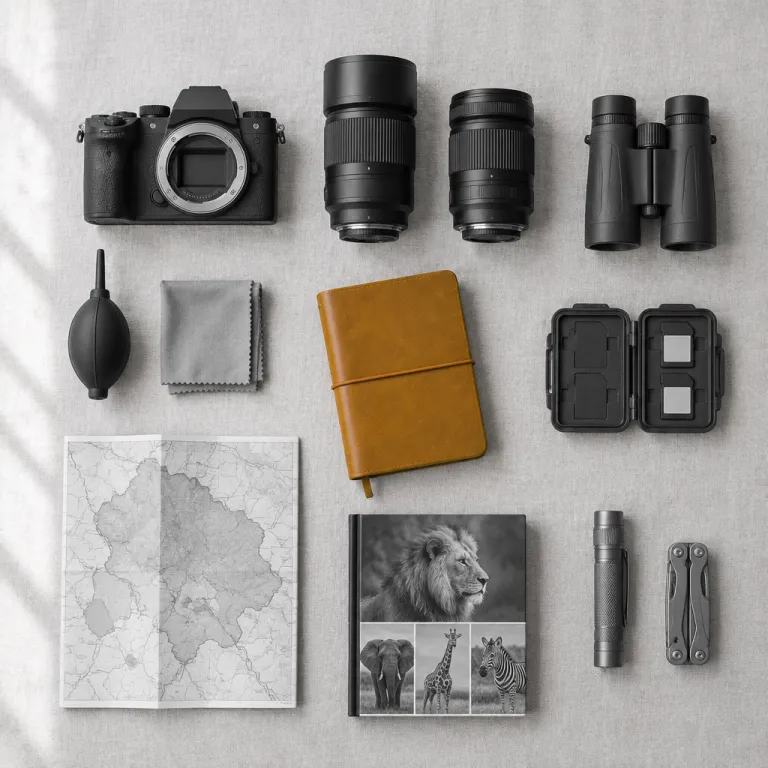
Golden hour on safari: why light and timing beat any camera body
The first rule of safari photography is simple ; chase the right light. During the first and last 90 minutes of the day, the low sun will skim across the savannah and wrap every animal in a warm glow that flatters fur, feathers and dust. In this golden time, even a modest camera can create an image that feels like the best wildlife photography print on your wall.
On an African safari, ask your guide to leave camp before sunrise so the game drive reaches open plains as the light breaks. That soft light gives you slower shutter speed options without blowing out highlights, which is vital when you want sharp photos of moving animals without harsh contrast. You will notice that animals are more active in this cool time, so every minute of this early game is a chance for a memorable shot rather than a technical exercise.
Late afternoon on game drives, sit on the side of the vehicle that faces away from the sun so your camera lens catches side light on the animals. This angle sculpts the animal eye, horns and muscles, and it adds depth of field separation between subject and background. When the sun finally drops, shift from classic wildlife photography portraits to silhouettes, letting your long lens frame a giraffe or elephant against a burning sky for dramatic safari photography that needs almost no editing.
Positioning yourself in the vehicle for the best light
Where you sit in the vehicle will quietly decide half your photos before you even lift the camera. Solo travelers should request a back corner seat on a game drive, which gives a clean angle past other guests and space for a zoom lens or multiple lenses at your feet. When the guide stops for animals, ask politely to rotate the vehicle so the light falls over your shoulder, not straight into the lens.
On a south Africa reserve or a private concession in Botswana, guides often know exactly where the best safari light will be at a certain time of day. Tell them you care about photography tips and that you are happy to wait for the right shot rather than chase every sighting. That small conversation turns your guide into a wildlife photographer partner, not just a driver, and your images will show that shared focus.
As the vehicle moves between sightings, keep the camera switched on with a moderate shutter speed and a mid range aperture so you can react instantly. Many of the most honest travel photography frames happen when no one expects action ; a jackal trotting through dust, a line of animals crossing a dry riverbed, or a bird taking off beside the track. If you stay ready in these in between moments, the shot you nearly missed becomes the image everyone remembers from the trip.
Choosing your game drive camera: phone, DSLR or mirrorless
Luxury lodges see every type of camera on the back seat, from flagship mirrorless bodies to guests who rely only on a phone. The truth is that safari photography tips game drive camera advice must start with honesty about what each system can and cannot do from a moving vehicle. You do not need the best professional kit, but you do need to understand its limits in low light and with fast moving animals.
A modern smartphone handles bright day scenes surprisingly well, especially wide environmental photos that show animals in their landscape. Its weakness appears when wildlife is far away, when you need a long lens look, or when the game drive continues into low light after sunset. Digital zoom on a phone is not a real zoom lens, so the image quality will crumble if you push in too far on distant animals.
DSLR and mirrorless cameras give you interchangeable lenses, faster shutter speed control and better focus tracking for wildlife photography. A mid range body with a 70 200 mm or 100 400 mm camera lens is often the best safari compromise between reach, weight and price. If you already own a system, spend your budget on the lens rather than a new body, because good lenses will outlast several generations of camera upgrades.
Realistic expectations from each system on safari
From a game drive vehicle, phones excel at quick storytelling photos of sundowners, campfires and lodge interiors. They struggle when an animal eye is half hidden in shade or when you need to freeze moving animals in the last light of day. In those moments, a dedicated camera with manual focus options and a fast shutter speed will simply perform better.
Mirrorless cameras bring silent shutters, which can be kinder to skittish animals at close range. Their electronic viewfinders preview exposure and depth of field in real time, which is a gift for guests still learning photography tips on the fly. If you are renting gear for an African safari, a lightweight mirrorless body with a versatile zoom lens around 24 240 mm covers almost every game scenario.
Traditional DSLRs remain popular with many a wildlife photographer who values optical viewfinders and long battery life. They pair beautifully with a long lens such as a 300 mm or 400 mm prime when you expect distant animals on open plains. Whatever you choose, don forget that the best camera is the one you can handle confidently while the vehicle bounces and the guide calls out a sudden shot.
The guide as your photography partner, not just your driver
On a serious safari, the guide is the quiet co author of your photos. Before the first game drive, explain that you care about safari photography and that you would like help with positioning for light, background and distance. This simple conversation sets expectations and will transform routine game drives into tailored wildlife photography sessions.
Elite trackers in south Africa, Kenya or Zambia read animal behavior and light patterns at the same time. When you say you want a side lit image of a lion rather than a front on record shot, they will anticipate where the animal will move and place the vehicle accordingly. That is why understanding how guides think is as important as knowing your camera settings, and resources such as what elite safari trackers wish guests knew are worth reading before you travel.
During sightings, ask for small adjustments rather than constant repositioning that disturbs animals and other vehicles. A one meter roll forward can clean a branch from in front of an animal eye, or shift the background from cluttered bush to open sky. When the guide suggests waiting five more minutes because the light will improve, trust that instinct ; those extra minutes often produce the best safari photos of the day.
How to brief your guide for specific shots
Arrive at the lodge with a short list of photography tips you want to practice, such as panning moving animals or working with shallow depth of field. Show your guide a few reference photos on your phone so they understand your taste, whether you prefer tight portraits or wider travel photography scenes. This visual briefing is faster than technical talk about shutter speed and lenses, and it keeps the focus on the feeling you want in each image.
Explain that you are happy to skip some animals if the light or angle is poor, because that frees the guide to prioritize quality over quantity. When they know you value one strong shot over ten average photos, they will time the game drive around key moments of light rather than a checklist of species. Over several days, this shared focus builds trust, and your camera roll will show a clear evolution in both composition and confidence.
Finally, respect the rhythm of the bush and the other guests in the vehicle. Not every traveler is a wildlife photographer, so balance your requests with the group’s comfort and the animals’ space. The most rewarding safari photography happens when guide, guest and wildlife share the same calm, patient tempo.
Composition on safari: from rule of thirds to eye level intimacy
Technical settings matter, but composition is what makes a safari image linger in the mind. Start with the rule of thirds ; place the animal on one side of the frame and leave negative space where it is looking or moving. This simple shift turns a static shot into a story, especially when the light rakes across the scene during golden hour.
On a game drive, ask the guide to stop slightly further back so you can include more environment around the animals. Wider frames that show dust, sky and distant hills feel like travel photography, not just wildlife identification photos. They also forgive small focus errors, because the viewer reads the whole image rather than zooming in on every whisker.
Whenever terrain allows, request a lower angle so the camera is closer to animal eye level. Shooting slightly upwards with a long lens compresses the background and enhances depth of field separation, giving your subject quiet authority. Even a small change, such as resting the camera on the seat instead of standing up, will change the mood of the shot.
Working with layers, backgrounds and multiple animals
Great safari photography often uses layers ; foreground grass, a mid ground animal and a soft background. To achieve this, choose a moderate aperture like f 5.6, then adjust shutter speed to freeze moving animals while keeping enough depth of field for the scene. Watch for clean horizons and avoid bright distractions behind the subject, because the best safari portraits have simple, uncluttered backgrounds.
When several animals gather at a waterhole, resist the urge to zoom all the way in on one. Step back with the zoom lens and frame the entire game of interactions, from drinking to sparring, which tells a richer story. Later, you can crop individual photos if needed, but you cannot recreate a missed wide image of the herd.
Do not forget to shoot details as well ; a single animal eye catching last light, a paw in dust, or horns against clouds. These intimate frames often require manual focus, especially in grass, because the camera will try to lock onto contrasty stems instead of the animal. Switching briefly to manual focus for tricky scenes is one of the most underrated photography tips on safari.
Common mistakes on game drives: chimping, zoom obsession and oversharing
Many guests step into the vehicle with the best intentions and the best camera, then quietly sabotage their own safari photography. The first trap is chimping, the habit of checking every shot on the rear screen while the real action unfolds in front of you. Each time you look down, you risk missing the moment when an animal lifts its head into perfect light or when moving animals suddenly break into a run.
The second trap is zoom obsession, where every lens is racked to its longest focal length. Constantly shooting at maximum zoom lens range flattens perspective and removes the sense of place that makes travel photography so evocative. Instead, vary your lenses and focal lengths during the day, using a long lens for portraits and a shorter camera lens for environmental images that breathe.
Oversharing during game drives is the third quiet thief of attention. When guests spend more time posting photos than watching wildlife, they lose the emotional thread that should guide their photography tips and choices. Save the uploads for camp, where the fire is lit and the bush has settled into night, and let the game drive itself remain a focused, almost meditative experience.
Technical habits that quietly ruin images
Leaving the camera in full auto mode is tempting, but it often chooses shutter speed and aperture combinations that are unkind to wildlife photography. In low light, auto modes may drop shutter speed too far, turning moving animals into soft blurs instead of crisp silhouettes. A simple switch to shutter priority, with a minimum of 1 500 s for action, will protect most shots without overwhelming you.
Another frequent mistake is ignoring depth of field in the rush of a sighting. Wide open apertures look dramatic, but if you are too close, only a sliver of the animal eye will be sharp and the rest of the face will melt away. Stopping down slightly to f 5.6 or f 8 keeps more of the animal in focus while still separating it from the background.
Finally, don forget to check your settings at the start of every game drive, not during it. Many guests return from breakfast with the camera still set for last night’s low light dinner photos, then wonder why bright day images are blown out. A quick pre drive ritual of checking ISO, shutter speed and focus mode is one of the simplest safari photography tips game drive camera habits you can build.
The shot you nearly missed: staying ready beyond the obvious moments
Ask any experienced wildlife photographer about their favorite safari image, and many will mention a shot they almost missed. It rarely comes from the staged moment at the lion sighting, and more often from a quiet pause on the way back to camp. That is why your camera should stay within reach from the moment you leave the lodge until the last gate closes behind the vehicle.
Transfers between airstrips and lodges are fertile ground for unexpected wildlife photography. Guides are relaxed, radios are quiet, and animals often behave more naturally away from the main game drive routes. Keep a mid range zoom lens mounted, with a safe shutter speed and moderate depth of field, so you can lift the camera and shoot without thinking.
Waterholes near camp, breakfast decks and even the path to your tent can produce some of the best safari photos of the trip. Birds land on railings, monkeys steal fruit, and sometimes a full sized animal wanders past the firepit at dusk. Articles such as why the best lodge stays begin with silence remind us that stillness and attention often matter more than gear when you want that one unforgettable image.
Letting the lodge rhythm guide your photography
Luxury lodges are designed around the day’s light, even if the architecture never says so. Early coffee on the deck is timed for first glow, when soft light wraps the landscape and invites a few quiet photos before the game drive. Late lunches and siestas fall under harsh overhead sun, when the camera can rest and you can review images without the pressure of chasing animals.
As evening approaches, position yourself where animals are likely to pass between camp and water, with the sun behind you. A simple wooden chair, a long lens and a patient hour can yield more intimate wildlife photography than a busy vehicle jostling for space at a sighting. In these moments, manual focus and careful attention to animal eye highlights will reward you with images that feel deeply personal.
When you finally put the camera down, let the day’s photos settle in your mind before you share them. The most meaningful travel photography from an African safari is not always the sharpest or the closest, but the frame that captures how the place felt. If you stay open to those nearly missed shots, the bush will quietly hand you more than enough.
Key figures that shape modern safari photography
- According to the Camera & Imaging Products Association, global shipments of interchangeable lens cameras have fallen by more than 80 percent since their peak, while mirrorless models now represent over half of all such cameras sold worldwide, which explains why many lodge guests arrive with compact mirrorless bodies rather than heavy DSLRs.
- Data from South African National Parks shows that average game drive durations range between 3 and 4 hours, meaning guests typically spend at least 6 to 8 hours per day in vehicles, which creates extensive opportunities for both classic wildlife photography and quieter travel photography between major sightings.
- Studies from the International Dark Sky Association highlight that artificial light pollution has increased steadily across many regions, which makes remote reserves in south Africa, Namibia and Botswana especially valuable for low light and night sky photography, as they offer some of the clearest skies accessible from luxury lodges.
- Surveys by major camera manufacturers indicate that more than 60 percent of users now rely on automatic or semi automatic modes for most of their photos, which reinforces the importance of simple, practical photography tips that help safari guests manage shutter speed and depth of field without complex technical knowledge.
- Tourism boards in leading African safari destinations report that wildlife focused trips consistently achieve higher guest satisfaction scores than general leisure travel, and feedback often cites memorable photos and close animal encounters as key reasons for rating a stay as the best safari experience of their life.
FAQ about safari photography on lodge game drives
What is the best camera setup for a first time safari guest ?
For most first time guests, a mid range mirrorless or DSLR body paired with a versatile zoom lens such as 70 300 mm offers the best balance of reach, weight and cost. This combination handles both close portraits and more distant animals on open plains. If you already own a camera, invest in a good camera lens rather than upgrading the body just for the trip.
Can I rely only on my smartphone for safari photography ?
A modern smartphone can produce excellent photos in good light, especially wide environmental shots and lodge lifestyle images. Its limitations appear with distant wildlife, fast moving animals and low light scenes at dawn or dusk, where a dedicated camera with better shutter speed control and optics will outperform it. If you travel with only a phone, focus on composition, timing and storytelling rather than tight animal portraits.
Which settings should I use for moving animals on a game drive ?
For moving animals, start with shutter priority mode and set a shutter speed of at least 1 500 s, raising it to 1 1000 s or faster for running subjects or birds in flight. Use auto ISO with a reasonable maximum so the camera can adapt to changing light while you concentrate on framing. Continuous autofocus and a single central focus point usually give the most reliable results from a moving vehicle.
How many lenses should I bring on an African safari ?
Two lenses are usually enough ; a telephoto zoom around 70 300 mm or 100 400 mm for wildlife, and a wider zoom such as 24 70 mm for landscapes and lodge scenes. Bringing more lenses adds weight and complexity, and you may miss shots while changing glass in dusty conditions. If you prefer to travel light, a single super zoom lens that covers both ranges is a practical compromise.
Do I need a tripod or monopod in a safari vehicle ?
Most open vehicles move frequently and have limited space, so full tripods are rarely practical on game drives. A monopod or beanbag can help stabilize a long lens, especially in low light, but many guests manage well by bracing elbows on the seat or vehicle rail. For lodge based shooting at waterholes or from decks, a lightweight travel tripod becomes more useful, particularly for night sky and long exposure photography.